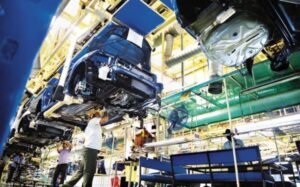
India’s automotive industry has become one of the country’s largest contributors to manufacturing, exports and employment. Vehicles and automotive components produced in India are shipped to markets across Asia, Africa, Europe and Latin America. As international trade becomes increasingly data-driven, India has an opportunity to strengthen its automotive exports by developing dedicated automotive trade data exchanges.
A trade data exchange is a secure digital platform where manufacturers, suppliers, logistics providers, customs authorities, ports, financial institutions and export agencies share standardized information. Instead of operating through isolated databases, stakeholders exchange verified information that improves the speed, transparency and efficiency of international trade.
Today, valuable trade information exists across multiple systems. Shipping companies maintain cargo records, customs authorities collect export declarations, manufacturers hold production data, ports manage vessel schedules and banks process trade finance documents. Because these datasets remain largely disconnected, businesses often make decisions with incomplete information.
A national automotive trade data exchange could integrate these information sources into a common digital ecosystem. Manufacturers would gain visibility into shipping schedules, customs processing, logistics performance and export demand while maintaining appropriate commercial confidentiality.
Such a platform would improve planning across the automotive value chain. Manufacturers could adjust production schedules based on vessel availability. Suppliers could coordinate deliveries more effectively. Exporters could identify potential delays before shipments reach ports.
Artificial intelligence could analyse trade exchange data to identify emerging export opportunities. If demand for electric vehicle components increases in a particular region, manufacturers would receive early market signals that support investment and production planning.
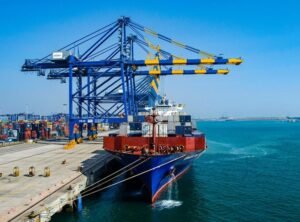
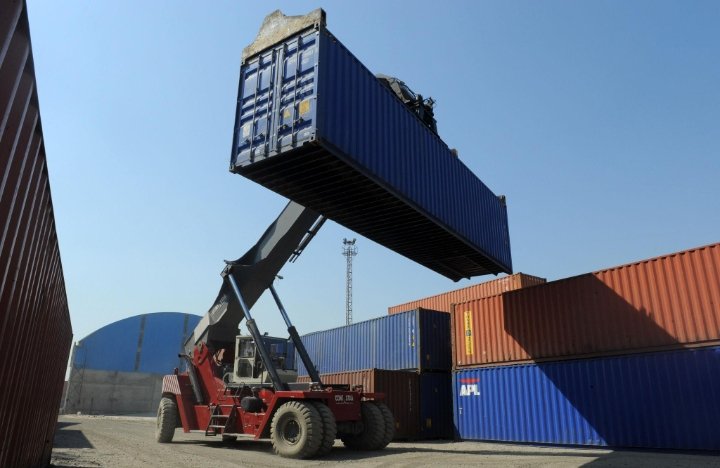
Ports would also benefit from better information sharing. Advance visibility into cargo volumes allows terminal operators to allocate storage space, equipment and labour more efficiently. Reduced congestion lowers operating costs while improving vessel turnaround times.
Customs authorities can process exports more quickly when documentation is submitted through standardized digital channels. Automated validation reduces manual verification while improving regulatory compliance.
Financial institutions may use trade exchange data to strengthen export financing decisions. Verified shipment information, production records and logistics milestones provide greater confidence when evaluating trade finance applications.
Automotive MSMEs stand to gain significantly from this approach. Smaller manufacturers often lack access to comprehensive market intelligence. Shared trade data enables them to understand export trends, benchmark performance and identify new international customers without investing heavily in proprietary research.
The transition toward electric mobility further increases the importance of trade data. Battery systems, power electronics, charging equipment and software-enabled vehicle components require more complex international supply chains. Efficient information exchange supports coordination across these emerging industries.
Trade agreements also become easier to utilize when businesses have access to accurate tariff information, rules of origin and regulatory updates through integrated data platforms. Manufacturers can respond more quickly to policy changes affecting export competitiveness.
Cybersecurity must remain a core design principle. Automotive trade data contains commercially sensitive information, making secure encryption, controlled access and digital identity verification essential for maintaining trust across the ecosystem.
Universities, research institutions and industry associations can contribute by analysing anonymized trade data to identify long-term industrial trends, supply chain risks and emerging global opportunities. Their research can inform both business strategy and public policy.
India has already built strong digital public infrastructure in several sectors. Extending similar principles to automotive trade can improve coordination between public institutions and private industry while reducing administrative friction.
The future of automotive exports will increasingly depend on information moving as efficiently as physical goods. Manufacturers that can access accurate, real-time trade intelligence will respond faster to changing markets, improve customer service and strengthen international competitiveness.
An automotive trade data exchange represents more than a technology project. It is an economic infrastructure initiative that can support exporters, strengthen supply chains and position India as a more agile participant in global automotive trade. By connecting information across the entire export ecosystem, India can create a smarter and more resilient automotive industry prepared for the demands of international commerce.