Crop diseases cause billions of rupees in losses every year across India’s agricultural sector. Fungal infections, bacterial diseases, viruses, invasive insects, and emerging plant pathogens can spread rapidly across districts and even entire states before farmers become aware of the threat. Traditional disease monitoring often depends on field inspections and manual reporting, which may delay intervention. An AI Powered Crop Disease Surveillance Infrastructure can establish a nationwide digital system capable of detecting outbreaks early, predicting disease spread, and supporting faster response across the agricultural ecosystem.
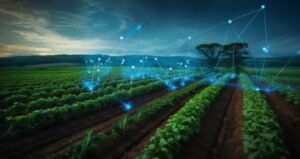
The infrastructure would combine information from satellites, drones, weather stations, agricultural laboratories, research institutions, field officers, and farmers into a single digital platform. Artificial intelligence continuously analyses incoming data to identify unusual crop behaviour and detect disease patterns before widespread damage occurs.
Remote sensing plays an important role in this system. Satellites capture repeated images of agricultural fields throughout the growing season. Healthy crops reflect sunlight differently from diseased crops. AI algorithms analyse these subtle differences to identify stress long before symptoms become visible to the human eye. This provides valuable time for preventive action.
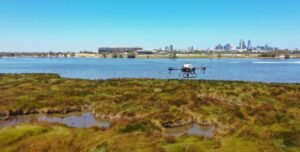
Drone technology further improves surveillance. High-resolution cameras equipped with multispectral and thermal sensors can inspect large agricultural areas quickly. Instead of manually examining thousands of hectares, drones generate detailed digital maps showing sections where disease symptoms are beginning to appear. Agricultural officers can focus inspections on these specific locations.
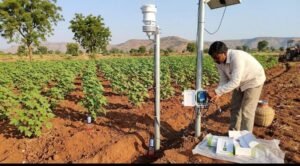
Weather conditions strongly influence the development of many crop diseases. Temperature, humidity, rainfall, wind direction, and soil moisture often determine whether fungal spores or insect populations expand rapidly. By combining weather forecasts with disease models, artificial intelligence can estimate where outbreaks are most likely to occur over the coming days.
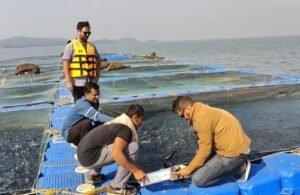
Farmers become active participants in the surveillance network through mobile applications. A farmer noticing unusual spots, discoloration, leaf curling, or insect activity can upload photographs directly to the platform. AI immediately evaluates the images and suggests probable diseases while forwarding high-risk cases to agricultural experts for confirmation.
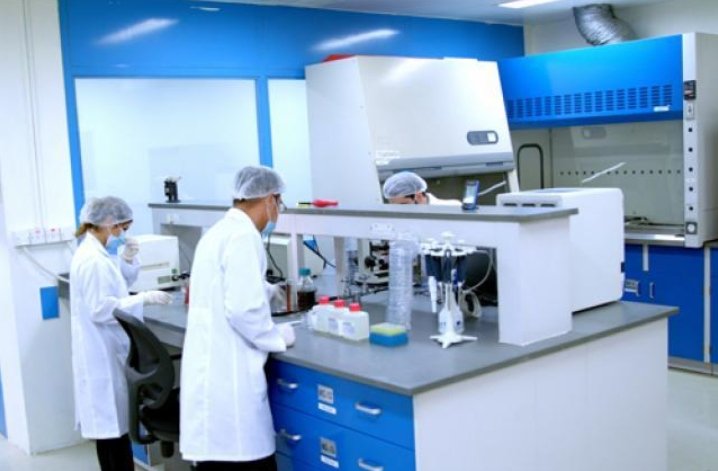
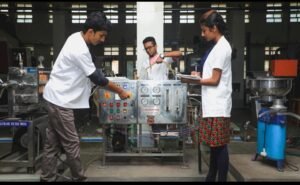
Agricultural laboratories remain essential to the system. Samples collected from suspected outbreaks undergo scientific testing for bacteria, fungi, viruses, or insect species. Laboratory confirmation strengthens AI models by continuously improving their diagnostic accuracy. Every confirmed case becomes part of the national disease intelligence database.
Early warning systems represent one of the greatest benefits of digital surveillance. Instead of waiting until diseases spread widely, authorities can issue localized alerts advising farmers to inspect crops, apply preventive measures, or modify irrigation and field management practices. Early intervention often reduces both crop losses and pesticide usage.
Artificial intelligence also supports pesticide management. Rather than recommending blanket spraying across entire districts, AI identifies only the areas facing elevated disease risk. Targeted treatment lowers chemical consumption, reduces production costs, and minimizes environmental impact while maintaining crop protection.
Seed producers benefit from continuous disease intelligence. If specific varieties demonstrate greater resistance under particular environmental conditions, researchers can prioritize their multiplication and distribution. Similarly, recurring disease patterns help breeders develop more resilient crop varieties suited to future climatic conditions.
Food processing companies gain improved production forecasts because disease outbreaks can significantly reduce crop availability. Early visibility into agricultural risks allows processors to adjust procurement strategies, secure alternative supply sources, and maintain stable production schedules.
Export industries also benefit. Many international markets require strict monitoring for quarantine pests and plant diseases. A national surveillance infrastructure provides documented evidence that crops have been monitored using scientifically validated methods. This strengthens confidence among overseas buyers and regulatory authorities.
Government agencies gain powerful decision-making capabilities through real-time dashboards. Disease outbreaks can be monitored at village, district, state, and national levels simultaneously. Resources such as laboratory capacity, extension officers, pesticides, and emergency funding can be deployed rapidly to the most affected regions.
Research institutions receive access to one of the world’s largest agricultural disease datasets. Scientists can study pathogen evolution, climate interactions, resistance development, and geographic spread using real-world information collected continuously across diverse farming environments.
Cybersecurity and data governance are important components of the infrastructure. Sensitive agricultural information must be protected while allowing researchers, policymakers, and farmers to access relevant data securely. Standardized data sharing protocols encourage innovation without compromising privacy or commercial interests.
India possesses strong capabilities in artificial intelligence, satellite technology, digital communications, agricultural science, and software engineering. Integrating these strengths into a National AI Powered Crop Disease Surveillance Infrastructure would significantly reduce crop losses, improve food security, strengthen exports, lower production costs, and help Indian agriculture become more resilient against the growing challenges of climate change and emerging plant diseases.