Railway networks are among the most important transportation systems in monsoon climate regions. They move millions of passengers and enormous quantities of freight every day while connecting cities, ports, industrial zones, and rural communities. During the monsoon season, however, heavy rainfall creates serious operational challenges. Flooded tracks, landslides, soil erosion, bridge instability, ballast washouts, and fallen trees can disrupt railway services and compromise safety. Traditional inspection methods rely heavily on scheduled patrols and manual observation, which may not detect rapidly developing hazards. Industry 4.0 technologies offer a new approach by enabling continuous, intelligent monitoring of railway infrastructure.
Industry 4.0 combines artificial intelligence, the Internet of Things, cloud computing, digital twins, robotics, advanced sensors, and predictive analytics into connected industrial systems. Applied to railway infrastructure, these technologies create a network that continuously evaluates track conditions and predicts failures before they occur.
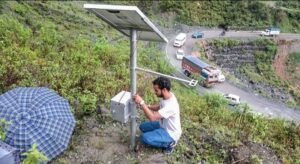
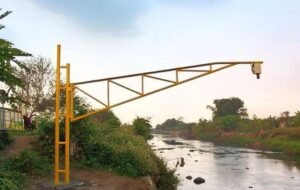
The foundation of a smart railway monitoring system is an extensive sensor network. Sensors installed along railway tracks measure vibration, rail stress, ground movement, soil moisture, temperature, rainfall intensity, bridge displacement, and water levels near vulnerable sections. These sensors operate continuously and transmit real time information through secure communication networks.
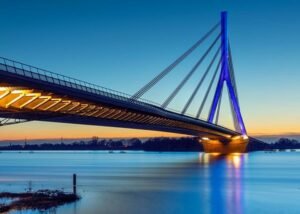
Artificial intelligence analyzes this incoming data to identify patterns that indicate potential failures. For example, increasing soil moisture combined with ground movement may indicate an approaching landslide. Rising water levels beneath a railway bridge may signal an increased risk of structural instability. Instead of waiting until damage becomes visible, railway operators receive early warnings that allow preventive action.
Digital twins significantly improve infrastructure management. A digital twin is a virtual representation of railway assets including tracks, bridges, tunnels, embankments, drainage systems, and signaling equipment. Engineers simulate different rainfall scenarios to understand how infrastructure will respond to extreme weather. Maintenance priorities can then be adjusted before the monsoon season begins.
Predictive maintenance replaces traditional calendar based maintenance schedules. Instead of replacing railway components after fixed intervals, artificial intelligence estimates the remaining useful life of rails, sleepers, fasteners, bridges, and drainage systems based on actual operating conditions. Maintenance resources are directed toward locations where failure risks are highest, improving efficiency while reducing operational costs.
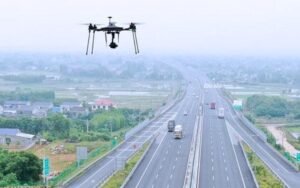
Drone inspections provide rapid assessment after heavy rainfall. High resolution cameras mounted on drones inspect long stretches of railway tracks, bridges, tunnels, retaining walls, and embankments within a short period. Artificial intelligence processes the captured images to detect cracks, erosion, vegetation encroachment, debris accumulation, flooded sections, and damaged infrastructure.
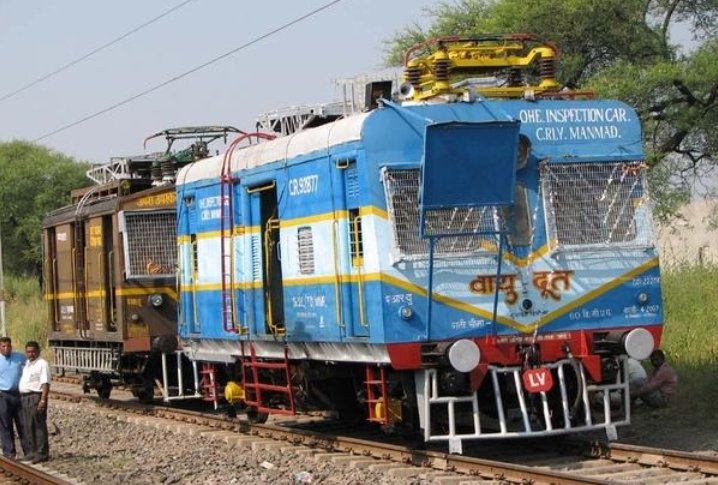
Computer vision further enhances inspection accuracy. Cameras mounted on inspection trains continuously record track conditions while moving at operational speeds. Machine learning algorithms automatically identify defects that might be overlooked during manual inspections. The system classifies each defect according to severity and generates maintenance recommendations.
Satellite observations extend monitoring beyond the railway corridor itself. Satellite imagery detects land movement, changing river courses, vegetation growth, flood extent, and erosion along railway routes. Combined with ground based sensors, satellite information creates a comprehensive monitoring system that supports strategic infrastructure planning.
Autonomous inspection robots can operate in tunnels, bridges, and other hazardous environments where manual inspections are difficult. Equipped with cameras, laser scanners, ultrasonic testing equipment, and environmental sensors, these robots inspect structural components while minimizing risks to maintenance personnel.
Cloud computing enables centralized management of extensive railway networks. Data collected from thousands of sensors across multiple regions is integrated into unified operational dashboards. Railway engineers, maintenance teams, weather agencies, emergency responders, and traffic controllers access the same real time information, improving coordination during severe weather events.
Edge computing ensures uninterrupted operation when communication networks are disrupted. Intelligent processing units installed at critical railway locations analyze sensor information locally and issue immediate alerts if dangerous conditions develop. This allows rapid decision making even when cloud connectivity becomes unavailable.
Artificial intelligence also supports train operations during adverse weather. Real time monitoring allows dynamic speed restrictions based on current infrastructure conditions rather than predetermined limits. Trains approaching vulnerable sections receive updated operational instructions, reducing accident risks while minimizing unnecessary delays.
India provides an ideal environment for adopting these technologies. The country operates one of the world’s largest railway networks, much of which passes through regions affected by intense monsoon rainfall. Flooding, landslides, and track washouts cause service disruptions every year. Smart monitoring systems would improve passenger safety, reduce maintenance costs, and increase network reliability.
Freight transportation would also benefit significantly. Ports, manufacturing industries, mining operations, agricultural supply chains, and logistics companies depend on reliable railway services throughout the year. Reducing weather related disruptions improves economic productivity and strengthens national supply chains.
Environmental sustainability is another advantage. Predictive maintenance extends infrastructure life, reducing material consumption and unnecessary replacement of railway components. Intelligent scheduling also improves energy efficiency by minimizing delays and optimizing train movements.
Implementation requires investment in digital infrastructure, communication networks, sensor deployment, and workforce training. Artificial intelligence models depend on accurate historical data for continuous improvement. Cybersecurity is equally important because connected railway systems represent critical national infrastructure requiring strong protection against digital threats.
Public confidence also plays an important role. Transparent communication regarding weather related operational decisions helps passengers understand temporary speed restrictions or service adjustments. Reliable digital monitoring supports safer railway operations without reducing public trust.
Industry 4.0 is reshaping railway infrastructure management in monsoon climate regions. By combining artificial intelligence, IoT sensors, drones, digital twins, cloud computing, robotics, and predictive analytics, railway operators move from reactive maintenance to intelligent, data driven asset management. As climate variability increases and transportation demands continue to grow, smart railway monitoring will become a critical component of resilient infrastructure, ensuring safer journeys, more reliable freight movement, and stronger economic connectivity throughout monsoon affected regions.