Monsoon seasons bring abundant rainfall that replenishes rivers, reservoirs, and groundwater supplies. However, the same rainfall also creates ideal breeding conditions for mosquitoes that spread diseases such as dengue, malaria, chikungunya, Japanese encephalitis, and Zika virus. Rapid urbanization, poor drainage, abandoned construction sites, overflowing stormwater systems, and stagnant water significantly increase mosquito populations after heavy rains. Traditional mosquito control programs often rely on manual inspections and public complaints, making interventions reactive rather than preventive. Industry 4.0 technologies provide an opportunity to modernize mosquito surveillance through artificial intelligence, connected sensors, drones, digital mapping, and predictive analytics.
Mosquito breeding can occur in surprisingly small collections of stagnant water. Open containers, clogged drains, rooftop tanks, discarded tires, roadside puddles, irrigation canals, and construction materials all provide suitable environments for mosquito larvae. Inspecting every potential breeding site manually is almost impossible, especially in large cities and rural regions with extensive water bodies.
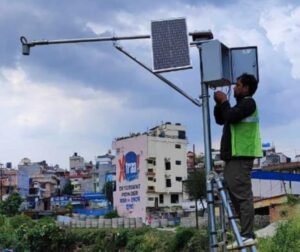
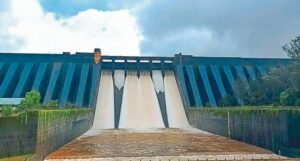
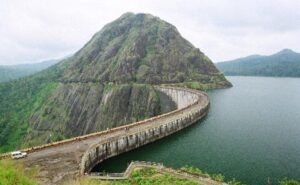
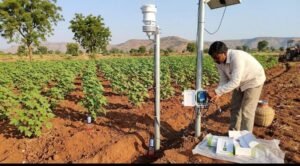
Industry 4.0 introduces continuous environmental monitoring through connected technologies. Internet of Things sensors installed in drainage systems, canals, reservoirs, and flood-prone areas monitor water levels, temperature, humidity, and water movement. These environmental conditions directly influence mosquito breeding activity. Sensor data is transmitted continuously to cloud platforms where artificial intelligence evaluates breeding risks across entire regions.
Artificial intelligence combines environmental measurements with historical disease records, rainfall forecasts, satellite imagery, population density, vegetation patterns, and seasonal climate data. Machine learning models identify neighborhoods where mosquito breeding is most likely to increase over the coming days. Instead of waiting for disease outbreaks, health authorities receive early warnings that allow preventive interventions.
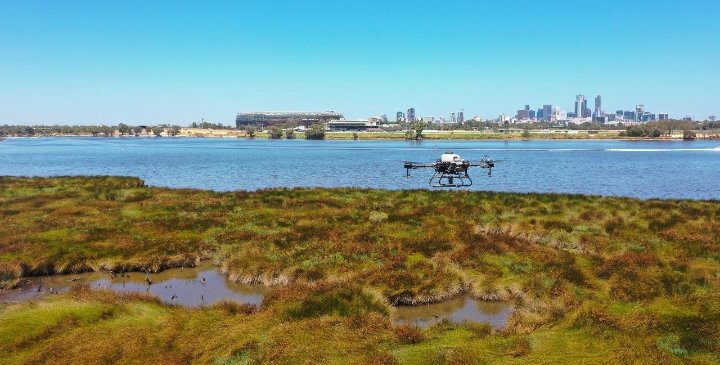
Drone technology significantly expands surveillance capabilities. Drones equipped with high resolution cameras inspect wetlands, abandoned industrial areas, flood retention ponds, construction sites, and inaccessible marshlands following heavy rainfall. Artificial intelligence analyzes aerial imagery to identify standing water, vegetation density, blocked drainage channels, and potential mosquito habitats. Large urban areas that once required days of manual inspection can now be surveyed within hours.
Computer vision algorithms further improve detection accuracy. Images collected by drones and ground inspection teams are automatically analyzed to identify stagnant water bodies and classify breeding habitats according to their likelihood of supporting mosquito larvae. Public health workers receive prioritized inspection lists rather than conducting random field visits.
Satellite imagery complements local monitoring systems by providing regional environmental information. Changes in land use, flood extent, water accumulation, vegetation growth, and urban expansion influence mosquito populations over time. Artificial intelligence combines satellite observations with local sensor networks to produce continuously updated mosquito risk maps.
Digital twins allow health authorities to simulate disease transmission scenarios before outbreaks occur. A virtual model of a city incorporates rainfall forecasts, drainage conditions, mosquito breeding patterns, population movement, healthcare capacity, and environmental conditions. Authorities can evaluate how different mosquito control strategies may reduce disease spread under various weather conditions.
Smart larvicide deployment becomes possible through predictive analytics. Instead of applying chemical treatments across entire districts, mosquito control teams target only high-risk breeding areas identified by artificial intelligence. This reduces chemical usage, lowers operating costs, minimizes environmental impacts, and improves treatment effectiveness.
Autonomous ground robots may also contribute to mosquito surveillance in the future. Small robotic platforms equipped with cameras, environmental sensors, and water sampling equipment can inspect drainage tunnels, culverts, stormwater channels, and underground infrastructure that are difficult or unsafe for human inspectors to access.
Cloud computing enables collaboration between multiple government agencies. Public health departments, municipal engineering divisions, environmental agencies, meteorological services, hospitals, and emergency management authorities access the same operational information through centralized dashboards. This coordinated approach improves outbreak preparedness and accelerates response times.
Mobile applications strengthen community participation. Residents can report stagnant water, blocked drains, mosquito infestations, or abandoned containers using smartphones. Artificial intelligence verifies submitted photographs, prioritizes reports based on risk levels, and integrates community observations into regional surveillance systems.
Climate change increases the importance of intelligent mosquito surveillance. Rising temperatures and changing rainfall patterns expand mosquito habitats into new geographic regions. More frequent extreme rainfall events create additional breeding sites that may persist for weeks after storms. Industry 4.0 technologies enable health authorities to adapt more rapidly to these changing environmental conditions.
India is particularly well positioned to benefit from such systems. Seasonal dengue outbreaks affect many states during and after the southwest monsoon. Urban centers with dense populations often experience simultaneous flooding and mosquito population growth. AI driven mosquito surveillance could support municipal corporations in targeting control measures more efficiently while reducing disease transmission.
Economic benefits extend beyond healthcare savings. Preventing mosquito borne diseases reduces hospital admissions, decreases productivity losses, lowers public health expenditures, and minimizes disruptions to schools, businesses, and tourism. More efficient mosquito control programs also reduce unnecessary pesticide applications and improve environmental sustainability.
Several implementation challenges remain. Sensor deployment across large geographic areas requires investment and maintenance. Artificial intelligence models depend on high quality environmental and epidemiological data. Drone operations require regulatory approval, and cybersecurity must protect sensitive public health information. Training field personnel to interpret digital surveillance data is equally important.
Public education remains essential alongside technological innovation. Communities must continue eliminating standing water around homes, maintaining clean drainage systems, and supporting mosquito control initiatives. Industry 4.0 technologies enhance surveillance and decision making, but successful disease prevention still depends on active public participation.
Industry 4.0 offers a powerful new approach to mosquito breeding hotspot detection in monsoon climate regions. By combining artificial intelligence, drones, IoT sensors, satellite monitoring, cloud computing, and predictive analytics, public health agencies can shift from reactive disease control to proactive prevention. As urban populations continue to grow and climate variability increases, intelligent mosquito surveillance will become an important component of resilient public health infrastructure, helping protect millions of people from preventable vector borne diseases.