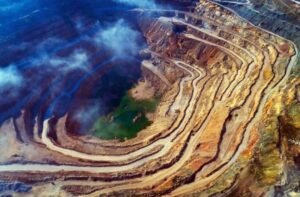
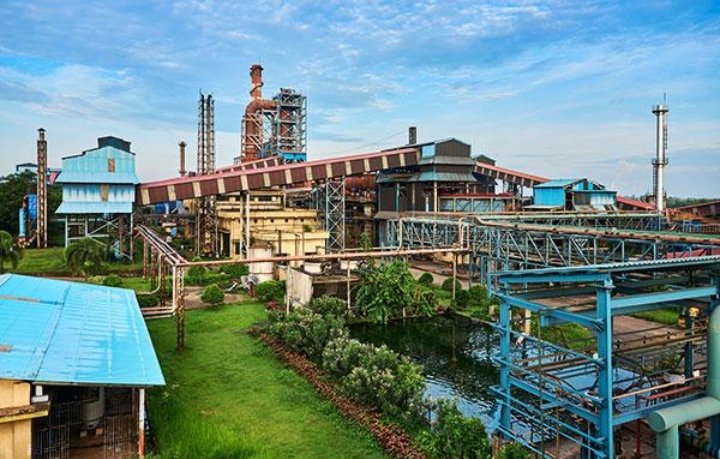
India possesses significant reserves of rare earth minerals, particularly in its coastal mineral sands. These elements are essential for manufacturing electric vehicles, wind turbines, smartphones, semiconductors, defence equipment, medical devices, industrial robots and advanced electronics. As countries seek to diversify their supply chains for critical minerals, India has an opportunity to develop a globally competitive rare earth processing industry. Industry 4.0 can play a central role in achieving this objective through intelligent manufacturing and digital process optimization.
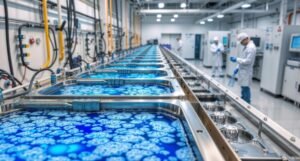
Rare earth processing is a technically demanding operation involving mineral beneficiation, chemical separation, solvent extraction, precipitation, calcination and refining. These processes require extremely precise control because rare earth elements often possess similar chemical properties, making separation both complex and resource intensive.
Industry 4.0 enables continuous monitoring of production using connected sensors installed throughout processing plants. Reactors, extraction units, filtration systems, dryers and storage facilities continuously generate operational data that engineers can analyse in real time. Greater visibility improves process stability and reduces production variability.
Artificial intelligence strengthens manufacturing by analysing large volumes of historical and real-time production data. Machine learning algorithms identify operating conditions that improve separation efficiency, reduce chemical consumption and maximize recovery rates. These improvements lower production costs while increasing output quality.
Digital twins provide virtual models of rare earth processing facilities. Engineers can simulate changes in extraction methods, evaluate equipment upgrades and optimize production schedules without disrupting actual operations. Virtual testing accelerates innovation while minimizing operational risks.
Predictive maintenance enhances plant reliability by monitoring pumps, mixers, compressors, filtration systems and solvent extraction equipment. Connected sensors continuously analyse vibration, pressure and temperature, allowing maintenance teams to identify equipment deterioration before failures interrupt production.
Quality assurance becomes more advanced through online analytical systems that continuously measure chemical purity, concentration and elemental composition. Immediate process adjustments improve product consistency while reducing rejected batches and material losses.
Rare earth processing involves handling valuable raw materials, making inventory management particularly important. Industry 4.0 platforms provide end-to-end digital traceability from mineral receipt through refining and final packaging. Such transparency strengthens supply chain security while supporting export compliance.
Energy management represents another major opportunity because separation and refining operations consume substantial electricity and steam. Intelligent monitoring systems optimize energy use across processing units, reducing production costs and improving environmental performance.
Water management is equally important because mineral processing requires significant volumes of process water. Smart monitoring systems track water quality, optimize recycling and identify leakages, helping manufacturers reduce freshwater consumption while improving operational efficiency.
Environmental monitoring plays a vital role in rare earth processing due to the need for responsible waste management and emissions control. Connected sensors continuously monitor air quality, wastewater and chemical handling operations. Automated reporting simplifies regulatory compliance while supporting sustainable industrial practices.
Worker safety benefits from intelligent monitoring of chemical storage areas, pressure systems and hazardous process equipment. Automated warning systems immediately notify plant personnel if abnormal operating conditions occur, enabling rapid intervention and reducing industrial risks.
India’s growing electric vehicle, renewable energy and electronics sectors create a strong domestic market for processed rare earth materials. Smart manufacturing systems enable producers to supply high-purity materials that meet the demanding quality standards of advanced manufacturing industries.
Artificial intelligence also supports research and development by identifying opportunities to improve extraction techniques, increase recovery efficiency and reduce dependence on imported technologies. Data-driven innovation strengthens India’s long-term technological capabilities in critical mineral processing.
Indian engineering and software companies can develop specialized automation platforms, industrial analytics software and digital quality management systems tailored specifically for rare earth processing. Domestic innovation can reduce technology imports while creating export opportunities in industrial automation.
Universities should strengthen education in mineral processing, metallurgy, chemical engineering, industrial automation and artificial intelligence. Future professionals working in strategic mineral industries will increasingly manage digitally connected manufacturing systems supported by advanced analytics.
Government initiatives focused on critical minerals, strategic manufacturing and industrial digitalization can accelerate Industry 4.0 adoption across the rare earth processing sector. Collaboration among public research institutions, mining companies, technology firms and manufacturers can build a robust domestic ecosystem.
As geopolitical competition increases around critical mineral supply chains, countries are seeking reliable partners capable of producing high-quality rare earth materials. India has the potential to become one of these trusted suppliers by combining its mineral resources with advanced manufacturing technologies.
Industry 4.0 transforms rare earth processing into an intelligent production system where every stage is monitored, analysed and continuously optimized. By integrating artificial intelligence, predictive maintenance, digital twins and real-time quality monitoring, India’s rare earth processing industry can improve efficiency, strengthen sustainability and support the country’s ambitions in clean energy, advanced manufacturing and strategic technologies.