Rare earth elements have become indispensable to modern economies. They are used in electric vehicles, wind turbines, robotics, semiconductors, precision-guided defence systems, smartphones, aerospace equipment and advanced medical devices. While global attention often focuses on mining these minerals, the greatest economic value is generated after extraction through refining, separation and advanced material processing. India’s industrial policy should therefore prioritize refining capacity alongside responsible mineral development.
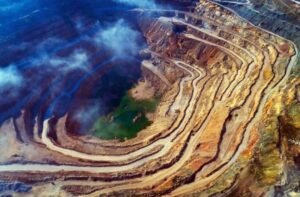
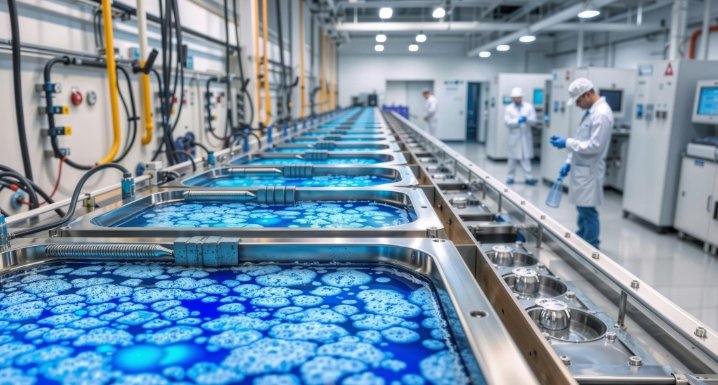
Mining contributes only a small portion of the overall value chain. Once extracted, rare earth ores undergo multiple stages of chemical separation before individual elements can be used in manufacturing. These refined materials command significantly higher prices and support industries with greater technological sophistication. Countries that control refining gain influence over global manufacturing and supply chains.
India possesses deposits of rare earth-bearing minerals, including monazite-rich coastal sands and other strategic mineral resources. Rather than exporting partially processed materials, the country should invest in industrial-scale refining facilities capable of producing high-purity rare earth oxides and metals for domestic manufacturers and export markets.
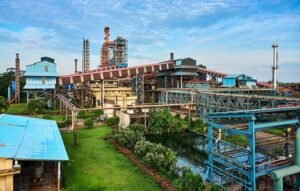
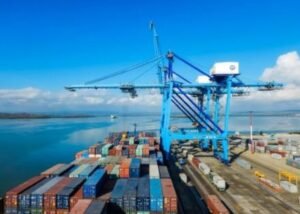
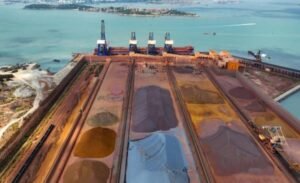
A national policy could establish Rare Earth Processing Zones equipped with chemical infrastructure, waste treatment systems, high-quality laboratories, dedicated logistics corridors and uninterrupted power supply. Locating these facilities near ports would reduce transportation costs while improving export competitiveness.
Private investment should be encouraged through long-term policy stability, accelerated environmental clearances for compliant projects, tax incentives for advanced refining technologies and support for research partnerships between industry and academic institutions. Clear regulatory frameworks would help attract both domestic and international investors seeking reliable supply chains outside existing global hubs.
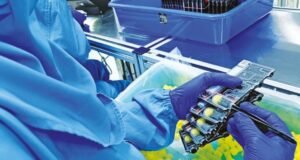
India should also develop expertise in producing permanent magnets, specialty alloys and high-performance industrial materials. These products serve automotive manufacturers, renewable energy companies, defence suppliers and electronics producers. Exporting finished materials instead of raw minerals would significantly increase foreign exchange earnings.
Recycling offers another strategic opportunity. Discarded electric motors, wind turbines, consumer electronics, industrial machinery and electric vehicle components contain recoverable rare earth elements. Establishing a nationwide urban mining ecosystem would reduce dependence on virgin mineral extraction while creating a sustainable secondary supply chain.
Dedicated research centres should focus on cleaner extraction chemistry, solvent recycling, waste minimisation, process automation and improved recovery rates. Advances in refining technology can reduce environmental impacts while increasing productivity, allowing Indian facilities to compete on both cost and sustainability.
The government could establish strategic reserves of refined rare earth materials to protect domestic manufacturers from international supply disruptions. Such reserves would strengthen industries involved in defence, aerospace, renewable energy and semiconductor manufacturing while improving long-term industrial resilience.
Trade agreements should prioritize exports of refined materials, engineered powders, specialty chemicals and magnetic components rather than encouraging shipment of raw ores. Export incentives linked to value addition could encourage companies to complete more stages of processing within India.
Workforce development will be essential. Universities, engineering institutions and technical training centres should introduce specialized programs in extractive metallurgy, mineral chemistry, advanced materials engineering, industrial process control and environmental management. A skilled workforce would support long-term industrial growth while encouraging innovation.
Environmental protection should remain central to policy. Rare earth refining requires careful handling of chemicals and waste streams. Modern facilities must incorporate advanced wastewater treatment, emissions control, residue management and continuous environmental monitoring to meet international sustainability standards and maintain public confidence.
Global demand for rare earth materials is expected to increase rapidly as electric mobility, renewable energy, automation and advanced electronics continue to expand. Manufacturers around the world are actively seeking diversified and reliable sources of refined materials. By building a competitive refining industry, India can move beyond resource extraction, strengthen its industrial base and establish itself as a strategic supplier in one of the world’s most important manufacturing value chains.