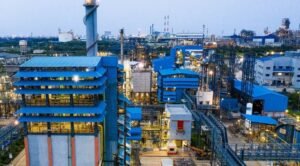
India’s industrial enzymes industry is becoming an increasingly important part of the country’s bioeconomy. Enzymes are biological catalysts used in food processing, pharmaceuticals, textiles, detergents, biofuels, leather processing, paper manufacturing and wastewater treatment. As industries seek cleaner and more efficient production methods, demand for high-quality industrial enzymes continues to grow. Industry 4.0 technologies can help India build smarter enzyme manufacturing facilities that improve productivity, quality and international competitiveness.
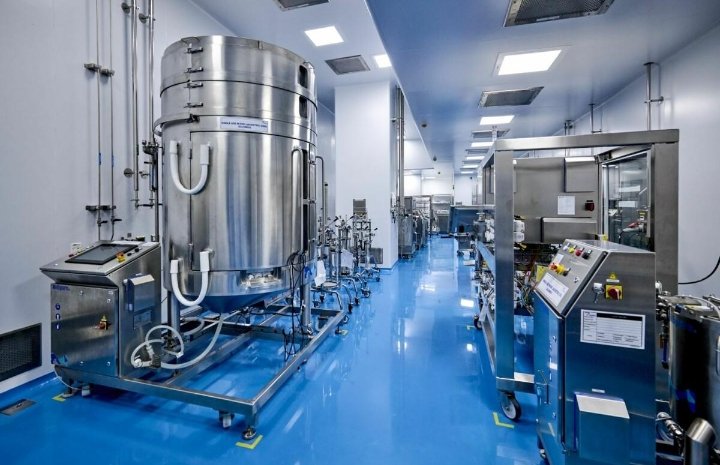
Unlike conventional chemical manufacturing, enzyme production relies on biological fermentation. Microorganisms such as bacteria, fungi and yeast are cultivated under carefully controlled conditions to produce specific enzymes. Small variations in temperature, pH, oxygen concentration or nutrient availability can significantly affect production yields and enzyme activity.
Industry 4.0 enables continuous monitoring of these biological processes using connected sensors installed throughout fermentation tanks, piping systems and downstream processing equipment. Instead of relying only on periodic laboratory testing, manufacturers receive real-time information on every stage of production.
Fermentation is the heart of enzyme manufacturing. Intelligent monitoring systems continuously measure dissolved oxygen, pH levels, agitation speed, nutrient concentration and microbial growth. Artificial intelligence analyses these parameters and recommends adjustments that improve enzyme production while reducing fermentation time.
Digital twins provide virtual models of fermentation facilities. Engineers can simulate changes in nutrient formulations, fermentation strategies and production schedules before implementing them in actual bioreactors. This reduces development costs while improving process reliability.
Predictive maintenance also plays an important role. Fermenters, pumps, compressors, filtration systems and centrifuges operate continuously under demanding conditions. Connected sensors monitor equipment health through vibration, pressure and temperature analysis, allowing maintenance teams to prevent unexpected failures.
Quality assurance becomes significantly more advanced through Industry 4.0. Online analytical systems continuously evaluate enzyme concentration, purity and biological activity throughout production. Immediate feedback enables operators to correct deviations before entire production batches are affected.
The detergent industry, one of the largest consumers of industrial enzymes, requires highly consistent product quality. Smart manufacturing systems help enzyme producers maintain stable biological performance across every production batch, strengthening customer confidence and export competitiveness.
Supply chain integration further improves operational efficiency. Raw materials, fermentation media, production schedules, inventory management and customer orders can be coordinated through digital platforms. Better planning reduces waste while improving delivery reliability.
Energy optimization is another important application. Fermentation facilities require controlled heating, cooling and aeration systems that consume substantial amounts of electricity. Intelligent energy management software continuously analyses consumption patterns and recommends operating adjustments that reduce energy use without affecting product quality.
Water management is equally important because biotechnology manufacturing depends on high-purity water throughout production and cleaning operations. Smart monitoring systems optimize water recycling, identify leakages and improve overall resource efficiency.
Environmental sustainability benefits from intelligent manufacturing. Digital monitoring systems continuously measure wastewater characteristics, emissions and resource consumption while supporting compliance with environmental regulations. Manufacturers can demonstrate sustainable production practices to international customers.
Worker safety improves through connected monitoring of pressure systems, sterilization processes and biological containment equipment. Automated warning systems notify operators immediately whenever process conditions move outside safe operating limits.
The pharmaceutical sector presents another major opportunity. Many therapeutic products rely on enzyme technologies during manufacturing. Industry 4.0 enables Indian enzyme manufacturers to meet the strict quality, traceability and documentation standards expected by pharmaceutical companies worldwide.
Research and development accelerates through data-driven innovation. Artificial intelligence analyses production histories to identify opportunities for improving microbial strains, fermentation conditions and purification methods. Continuous learning from manufacturing data strengthens long-term technological capability.
Indian biotechnology startups can also benefit from Industry 4.0 platforms that reduce development time and improve scalability. Digital fermentation systems make it easier for emerging companies to transition from laboratory research to commercial production.
Universities should strengthen biotechnology education by incorporating industrial automation, data analytics, artificial intelligence and digital bioprocess engineering into academic programs. Future biotechnology professionals will increasingly work in highly connected manufacturing environments.
Government initiatives supporting biotechnology, digital manufacturing and the bioeconomy can encourage wider adoption of Industry 4.0 across enzyme manufacturing facilities. Collaborative research involving industry, academic institutions and technology companies can accelerate innovation while supporting domestic industrial growth.
India has already established itself as an important producer of biotechnology products and pharmaceutical ingredients. Industrial enzymes represent another high-value sector where advanced manufacturing can create global opportunities.
Industry 4.0 transforms enzyme manufacturing by combining biological science with intelligent digital systems. Real-time monitoring, predictive analytics, digital twins and connected production platforms enable manufacturers to produce higher-quality enzymes with greater efficiency and sustainability.
As the global bioeconomy expands, India’s industrial enzymes industry has the opportunity to become a leading supplier of advanced biological products. Smart manufacturing will play a central role in achieving this ambition by creating more competitive, reliable and innovative production systems for the future.