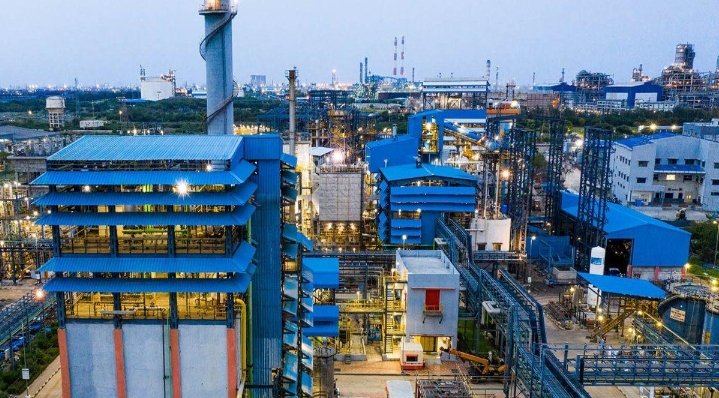
India is one of the world’s important producers of soda ash, a chemical that serves as a key raw material for glass manufacturing, detergents, chemicals, paper, textiles and water treatment. As demand grows from sectors such as construction, automotive glass and renewable energy, improving the efficiency of soda ash manufacturing has become increasingly important. Industry 4.0 technologies provide an opportunity to modernize production while improving energy efficiency, product quality and environmental performance.
Soda ash production involves complex chemical reactions, high-temperature operations and continuous material handling systems. Limestone, salt, ammonia and carbon dioxide are processed through interconnected manufacturing stages that require precise control. Even small variations in operating conditions can affect product quality, energy consumption and production efficiency.
Industry 4.0 transforms these operations through connected sensors, intelligent automation and real-time data analytics. Every production stage can be monitored continuously, allowing operators to understand exactly how the plant is performing at any moment. Instead of depending only on scheduled inspections, engineers receive live operational information throughout the manufacturing process.
One of the greatest opportunities lies in kiln optimization. High-temperature kilns consume substantial amounts of fuel during soda ash production. Smart monitoring systems analyse temperature distribution, combustion efficiency and fuel consumption, allowing artificial intelligence to recommend adjustments that reduce energy use while maintaining consistent product quality.
Raw material management also benefits from digital technologies. Sensors continuously monitor the quality and availability of limestone, brine and other inputs. Variations in raw material composition can be identified immediately, allowing operators to adjust production parameters before product quality is affected.
Predictive maintenance plays a vital role in improving plant reliability. Crushers, conveyors, pumps, compressors and rotating equipment operate continuously under demanding industrial conditions. Industry 4.0 systems monitor vibration, pressure, temperature and electrical performance to detect signs of equipment wear before breakdowns occur. Scheduled maintenance reduces production interruptions and extends equipment life.
Digital twins provide another valuable capability. Engineers can create virtual models of production units and evaluate process changes before implementing them in the physical plant. New operating conditions, equipment upgrades and production schedules can be tested digitally, reducing technical risks while supporting continuous improvement.
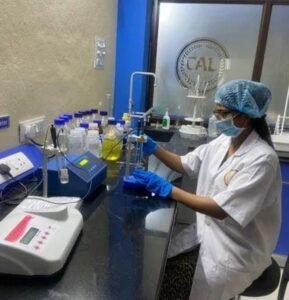
Quality control becomes faster and more accurate through online analytical instruments. Chemical composition, particle size and moisture content can be measured throughout production rather than only after manufacturing is complete. Immediate feedback enables operators to maintain consistent product specifications.
The glass industry, one of the largest consumers of soda ash, demands reliable product quality. Smart manufacturing systems help producers maintain uniform chemical characteristics, improving customer satisfaction while strengthening India’s competitiveness in domestic and international markets.
Supply chain management also becomes more efficient through Industry 4.0. Production planning can be integrated with raw material procurement, warehouse management and customer demand forecasts. Manufacturers gain greater flexibility to respond to changing market conditions while reducing inventory costs.
Environmental performance improves through intelligent monitoring systems. Energy consumption, water usage, emissions and waste generation can all be measured continuously. Data analytics helps manufacturers identify opportunities to reduce environmental impact while complying with regulatory standards.
Water conservation deserves particular attention because chemical manufacturing often requires substantial water resources. Smart monitoring systems detect leakages, optimise recycling processes and improve cooling water efficiency. These improvements support sustainable industrial development while lowering operating costs.
Artificial intelligence also supports decision making by analysing years of production data. Machine learning models identify relationships between operating conditions and manufacturing performance that may not be visible through conventional analysis. Plant managers receive recommendations based on evidence rather than assumptions.
Worker safety remains a major priority. Connected sensors monitor pressure systems, gas concentrations and equipment status while issuing immediate alerts whenever abnormal operating conditions develop. Faster response times help reduce industrial risks while improving workplace safety.
Indian engineering companies can contribute by developing software platforms, industrial sensors and automation systems specifically designed for soda ash manufacturing. Domestic technology solutions reduce implementation costs while strengthening India’s industrial technology ecosystem.
Universities and chemical engineering institutions should incorporate Industry 4.0 technologies into engineering education. Graduates entering chemical manufacturing will increasingly require knowledge of automation, industrial analytics, artificial intelligence and digital process management.
Government programmes supporting industrial modernization can accelerate adoption by encouraging investments in digital infrastructure, workforce training and collaborative research. Public support is particularly valuable for helping medium-sized manufacturers implement advanced production technologies.
India’s soda ash industry already possesses strong manufacturing expertise and serves important domestic industries including glass, detergents and chemicals. By integrating Industry 4.0 technologies into production, manufacturers can improve efficiency, reduce energy consumption and strengthen export competitiveness.
The future of chemical manufacturing will depend not only on production capacity but also on intelligent operations driven by real-time information. Smart factories capable of predicting equipment failures, optimizing energy use and maintaining consistent product quality will define the next generation of industrial leadership.
Industry 4.0 provides India’s soda ash manufacturers with an opportunity to build more efficient, sustainable and globally competitive production systems. Through digital transformation, the industry can support growing domestic demand while expanding its role in international chemical markets.