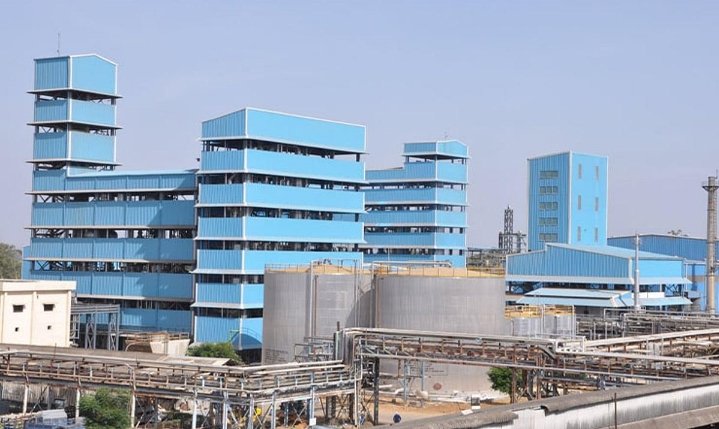
India’s chlor-alkali industry forms the backbone of several manufacturing sectors. Products such as caustic soda, chlorine and hydrogen are essential for paper manufacturing, textiles, water treatment, pharmaceuticals, alumina refining, soaps, chemicals and plastics. As domestic demand continues to rise, improving operational efficiency has become a strategic priority. Industry 4.0 technologies offer an opportunity to modernize chlor-alkali manufacturing while improving productivity, safety and sustainability.
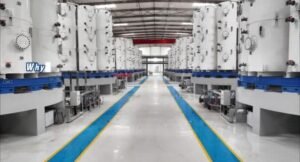
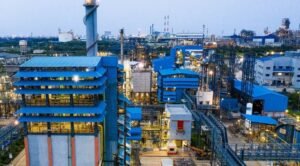
The chlor-alkali process relies on the electrolysis of brine to produce chlorine, caustic soda and hydrogen. The process consumes significant electrical energy and requires continuous monitoring of membranes, electrolyzers, compressors, cooling systems and storage facilities. Small deviations in operating conditions can reduce efficiency or increase operational risks.
Industry 4.0 introduces a connected manufacturing environment where equipment continuously communicates through sensors and industrial networks. Real-time operational information flows into centralized monitoring systems, allowing engineers to observe every stage of production without relying solely on manual inspections.
One of the most important applications is energy optimization. Electricity represents one of the largest operating expenses in chlor-alkali production. Smart energy management systems can monitor power consumption across electrolyzers, pumps and compressors while identifying opportunities to reduce unnecessary energy losses. Artificial intelligence can recommend operational adjustments that improve energy efficiency without affecting production capacity.
Predictive maintenance is another significant opportunity. Electrolyzers, pumps, heat exchangers and compressors operate continuously under demanding industrial conditions. Industry 4.0 platforms analyse vibration, pressure, temperature and electrical performance to identify equipment deterioration before breakdowns occur. Planned maintenance reduces production interruptions while extending equipment life.
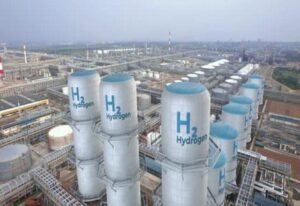
Hydrogen generated during chlor-alkali production is increasingly valuable as India expands its hydrogen economy. Smart manufacturing systems can optimize hydrogen recovery, storage and utilization while ensuring safe handling of this highly combustible gas. Digital monitoring improves both operational efficiency and industrial safety.
Chlorine handling requires particularly high safety standards because accidental releases can create serious environmental and public safety concerns. Connected gas sensors positioned throughout production facilities can continuously monitor chlorine concentrations. If abnormal conditions develop, automated systems can immediately alert operators and activate emergency response procedures.
Water management is another area where Industry 4.0 delivers measurable improvements. Chlor-alkali plants consume substantial quantities of water for cooling and processing. Intelligent monitoring systems can optimize water circulation, detect leakages and improve recycling efficiency. Lower water consumption supports both environmental sustainability and operational cost reduction.
Digital twins can simulate the entire manufacturing process in a virtual environment. Plant managers can evaluate process modifications, equipment upgrades and production schedules before making physical changes inside the factory. Virtual simulations reduce operational risks while supporting continuous process improvement.
Machine learning algorithms become more valuable as production data accumulates over time. These systems identify relationships between operating conditions, product quality, energy usage and equipment performance. Engineers gain insights that are difficult to obtain through traditional process monitoring methods.
Supply chain management also benefits from Industry 4.0. Raw material deliveries, finished product inventories and customer demand can be integrated into unified planning systems. Production schedules become more responsive to changing market conditions while minimizing inventory costs.
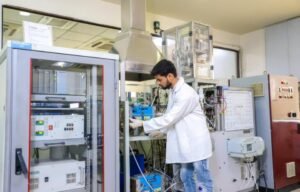
Quality control becomes increasingly automated through online chemical analyzers and intelligent inspection systems. Continuous monitoring of product purity allows manufacturers to identify deviations immediately instead of waiting for laboratory results. Faster corrective action improves customer satisfaction while reducing production waste.
Environmental compliance is becoming increasingly important for chemical manufacturers. Industry 4.0 platforms continuously monitor emissions, wastewater quality and energy consumption. Automated reporting systems simplify regulatory compliance while helping companies achieve sustainability targets.
Cybersecurity must be incorporated into every stage of digital transformation. Connected industrial equipment creates new opportunities for cyber threats if networks are not properly protected. Secure communication protocols, access controls and continuous security monitoring are essential components of modern smart factories.
Indian engineering companies have an opportunity to develop specialized Industry 4.0 solutions for chlor-alkali manufacturing. Locally developed software platforms, sensor systems and industrial analytics can address the specific requirements of Indian chemical plants while reducing dependence on imported technologies.
Engineering institutions should update chemical engineering curricula to include industrial automation, artificial intelligence, digital twins and industrial cybersecurity. Future engineers will increasingly manage digital manufacturing systems alongside traditional chemical processes.
Government support can accelerate modernization through technology adoption programs, digital manufacturing incentives and collaborative research initiatives involving industry and academia. Such policies strengthen the competitiveness of India’s chemical manufacturing sector while encouraging innovation.
The chlor-alkali industry supports numerous downstream industries that contribute significantly to India’s economy. Improving manufacturing efficiency therefore creates benefits extending far beyond chemical production itself. Lower operating costs, higher product quality and improved reliability strengthen the competitiveness of multiple industrial sectors.
Industry 4.0 represents more than the introduction of new technologies. It transforms how manufacturing decisions are made by replacing reactive operations with predictive and data-driven management. Every sensor, connected machine and intelligent algorithm contributes to a more efficient production ecosystem.
As India continues expanding its manufacturing capabilities, the chlor-alkali industry can become an important example of smart chemical production. By integrating digital technologies with established engineering expertise, manufacturers can improve safety, optimize energy consumption and strengthen their position in global chemical markets while supporting the country’s long-term industrial development.