Membrane technology has become one of the fastest-growing segments of advanced manufacturing. Membranes are used in water purification, desalination, wastewater treatment, pharmaceuticals, food processing, biotechnology, semiconductor manufacturing and hydrogen production. As India invests in clean water, sustainable industry and advanced healthcare, membrane manufacturing presents a significant opportunity for industrial growth. Industry 4.0 can modernize this sector through intelligent manufacturing systems that improve product quality, efficiency and global competitiveness.
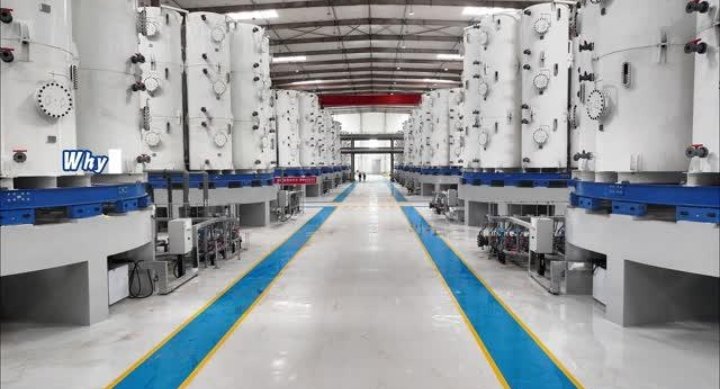
Manufacturing industrial membranes requires highly controlled production processes. Polymer preparation, solution mixing, membrane casting, stretching, coating, drying, cutting and testing must all be performed with exceptional precision. Small variations in temperature, humidity or chemical composition can affect pore size, permeability and filtration efficiency.
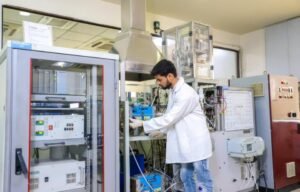
Industry 4.0 enables manufacturers to continuously monitor production using connected sensors throughout mixing units, coating machines, drying chambers, cleanrooms and inspection systems. Engineers receive real-time information on production conditions, allowing immediate corrections whenever deviations occur.
Artificial intelligence enhances manufacturing by analysing historical production data together with live process information. Machine learning models identify production conditions that maximize membrane performance while reducing raw material waste and energy consumption. Continuous optimization improves manufacturing efficiency without sacrificing product quality.
Digital twins provide virtual models of membrane manufacturing facilities. Engineers can simulate production schedules, coating techniques, drying conditions and factory layouts before implementing changes in actual plants. Virtual testing reduces technical risks while accelerating process development.
Predictive maintenance strengthens operational reliability by monitoring coating equipment, extrusion machines, rollers, pumps and cutting systems. Connected sensors analyse vibration, temperature and motor performance to detect equipment wear before failures interrupt production.
Quality assurance becomes more advanced through automated inspection systems. High-resolution cameras, laser scanners and intelligent analytical equipment continuously evaluate membrane thickness, pore distribution, surface uniformity and structural integrity. Immediate feedback reduces manufacturing defects while improving consistency.
India’s growing water treatment industry represents one of the largest markets for membrane technology. Reverse osmosis systems, ultrafiltration plants and industrial wastewater treatment facilities require membranes with reliable performance over long operating periods. Smart manufacturing systems help producers consistently meet these demanding specifications.
The pharmaceutical industry also relies heavily on membrane technologies for sterile filtration, drug manufacturing and laboratory applications. Industry 4.0 enables membrane manufacturers to achieve the stringent quality standards required for pharmaceutical production.
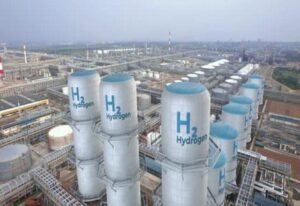
Hydrogen production is creating another major opportunity. Proton exchange membranes play a critical role in hydrogen fuel cells and electrolyzers used for green hydrogen generation. Intelligent manufacturing systems improve the precision required for these advanced energy technologies.
Supply chain integration connects raw material procurement, production planning, warehouse operations and customer demand into a unified digital platform. Better coordination reduces inventory costs while improving delivery reliability and production flexibility.
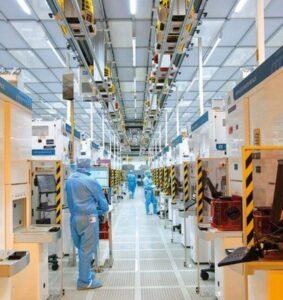
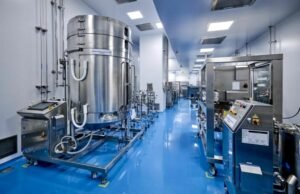
Energy optimization is especially valuable because membrane production involves continuous drying, heating and cleanroom operations. Smart energy management systems monitor electricity consumption, recover waste heat and optimize equipment utilization, lowering both operating costs and environmental impact.
Environmental sustainability is strengthened through intelligent monitoring of solvent recovery, wastewater treatment and resource utilization. Industry 4.0 enables manufacturers to reduce emissions, recycle production materials and improve water efficiency throughout the manufacturing process.
Worker safety also benefits from connected monitoring systems that observe solvent handling, ventilation equipment and cleanroom environments. Automated warning systems immediately notify operators whenever hazardous conditions develop.
Research and development becomes increasingly data driven. Artificial intelligence analyses manufacturing data alongside laboratory performance testing to identify opportunities for developing membranes with higher filtration efficiency, longer service life and greater resistance to fouling.
Indian technology companies can develop specialized manufacturing execution systems, quality analytics software and predictive maintenance platforms tailored specifically for membrane production. Domestic automation solutions can strengthen India’s advanced manufacturing ecosystem while creating export opportunities.
Engineering institutions should integrate membrane science, industrial automation, artificial intelligence and advanced manufacturing into chemical engineering, materials science and biotechnology programs. Future professionals will require expertise across multiple disciplines to operate intelligent membrane production facilities.
Government initiatives supporting clean water, hydrogen energy, semiconductor manufacturing and industrial digitalization can accelerate Industry 4.0 adoption throughout the membrane technology sector. Partnerships among research institutions, manufacturers and technology companies can strengthen innovation and reduce dependence on imported membrane products.
Global demand for advanced membrane technologies continues to grow as countries invest in water security, clean energy, healthcare and sustainable manufacturing. India possesses strong chemical engineering capabilities, an expanding industrial base and a large domestic market that can support the development of a globally competitive membrane manufacturing industry.
Industry 4.0 transforms membrane manufacturing into a connected, intelligent production ecosystem where precision, quality and sustainability are continuously optimized. By integrating artificial intelligence, predictive maintenance, digital twins and automated inspection systems, India’s membrane technology industry can become a strategic contributor to the country’s ambitions in water security, clean energy, biotechnology and advanced manufacturing.