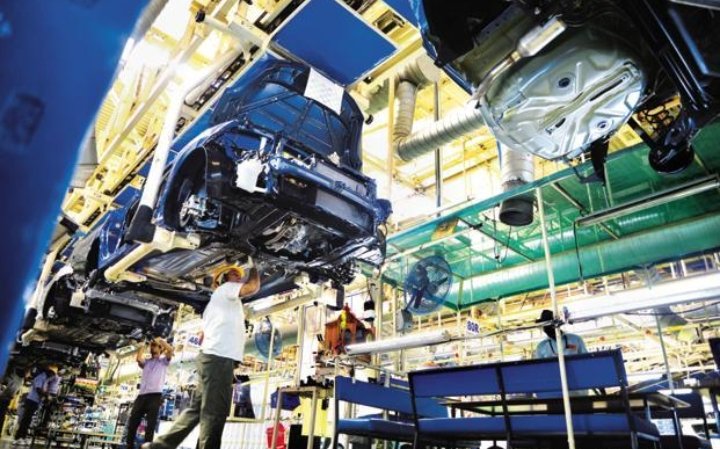
India’s automotive industry has evolved from serving primarily domestic demand to becoming one of the world’s most important manufacturing and export hubs. Passenger cars, commercial vehicles, two-wheelers, tractors, and auto components produced in India now reach markets across Asia, Africa, Europe, Latin America, and the Middle East. As global supply chains become more dynamic, the next competitive advantage may not come solely from manufacturing efficiency but from trade intelligence.
Trade intelligence refers to the collection, analysis, and application of data related to international demand, tariffs, logistics, regulations, competitors, and emerging markets. Automotive companies that understand where demand is shifting, how trade policies are changing, and which markets are opening can make faster and more profitable decisions.
Indian automotive exports have grown steadily over the past decade, but global competition has intensified. Manufacturers from China, South Korea, Japan, Thailand, Mexico, and Eastern Europe are all competing for the same customers. In such an environment, production quality alone is not enough. Companies must also identify the right markets before competitors do.
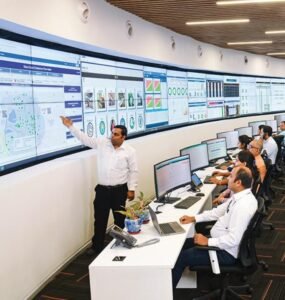
A national trade intelligence platform dedicated to the automotive sector could integrate customs information, shipping movements, tariff changes, dealer demand, commodity prices, exchange rates, and geopolitical developments. Instead of relying on quarterly reports, manufacturers could receive near real-time insights into opportunities and risks.
For example, if a country reduces import duties on electric vehicles or automotive components, Indian exporters could immediately evaluate whether they have suitable products for that market. Similarly, if political instability or economic slowdown reduces demand in one region, companies could redirect marketing efforts toward more promising destinations.
Trade intelligence is equally valuable for small and medium-sized auto component manufacturers. Many Indian suppliers produce world-class components but have limited visibility into international opportunities. A digital platform supported by industry associations could match supplier capabilities with global buyer requirements, reducing dependence on intermediaries and expanding export opportunities.
Artificial intelligence can further strengthen trade intelligence by analyzing millions of trade records and identifying emerging demand patterns. Instead of simply reporting historical exports, AI can forecast future demand for engines, transmissions, braking systems, batteries, sensors, and electronic components across different countries.
Electric vehicles introduce another dimension to international trade. Countries are adopting different charging standards, battery regulations, recycling requirements, and safety certifications. Indian manufacturers that monitor these evolving standards can adapt products earlier, reducing delays in entering new markets.
Logistics also plays a decisive role in automotive trade. Shipping disruptions, port congestion, container shortages, and rising freight costs directly influence export competitiveness. A digital dashboard combining logistics data with production schedules would help manufacturers optimize shipment timing and reduce costs.
Trade intelligence should also incorporate sustainability metrics. Increasingly, overseas buyers ask suppliers to demonstrate carbon emissions, renewable energy usage, recycling practices, and environmental compliance. Indian automotive companies that can digitally verify sustainability performance may gain an advantage in environmentally conscious markets.
Government agencies can contribute significantly by publishing standardized trade datasets in machine-readable formats. Customs authorities, export promotion councils, ports, and logistics agencies collectively generate enormous quantities of valuable information. Better integration of these datasets could create an ecosystem that benefits manufacturers, exporters, researchers, and policymakers.
Financial institutions may also benefit from trade intelligence. Banks financing export operations could better assess market opportunities and risks, enabling faster lending decisions for expanding manufacturers. Export credit agencies could allocate resources more effectively by identifying high-growth destinations.
Trade agreements increasingly influence automotive competitiveness. Free Trade Agreements often change tariff structures, local value addition requirements, and rules of origin. A trade intelligence system that automatically alerts manufacturers to these changes would enable quicker business decisions and improve compliance.
Automotive startups should not be overlooked. Companies developing battery technology, vehicle software, autonomous systems, charging equipment, and mobility platforms require international market intelligence just as much as established manufacturers. Early awareness of overseas demand can shape product development and investment priorities.
Universities and research institutions could also participate by studying long-term automotive trade trends. Their research could help policymakers identify promising export sectors, anticipate technology shifts, and strengthen industrial strategy.
India’s position as a manufacturing destination continues to improve through investments in infrastructure, production-linked incentives, digital manufacturing, and skilled engineering talent. To fully capitalize on these strengths, manufacturers require equally sophisticated trade information systems.
The automotive industry has historically focused on engineering excellence, production capacity, and cost competitiveness. The coming decade may reward companies that combine these strengths with superior information. Knowing where demand is emerging, understanding regulatory changes before competitors, and responding rapidly to global events could become defining competitive advantages.
Trade intelligence represents an opportunity to transform data into strategic capability. By connecting manufacturers, suppliers, logistics providers, financial institutions, research organizations, and government agencies through shared information, India can strengthen its automotive export ecosystem and improve resilience against global uncertainties.
As international markets become more interconnected and competitive, information will increasingly become a strategic asset alongside factories, machinery, and skilled workers. Building a modern trade intelligence ecosystem could help India’s automotive industry move beyond being a manufacturing powerhouse and become one of the world’s most agile and informed automotive trading nations.