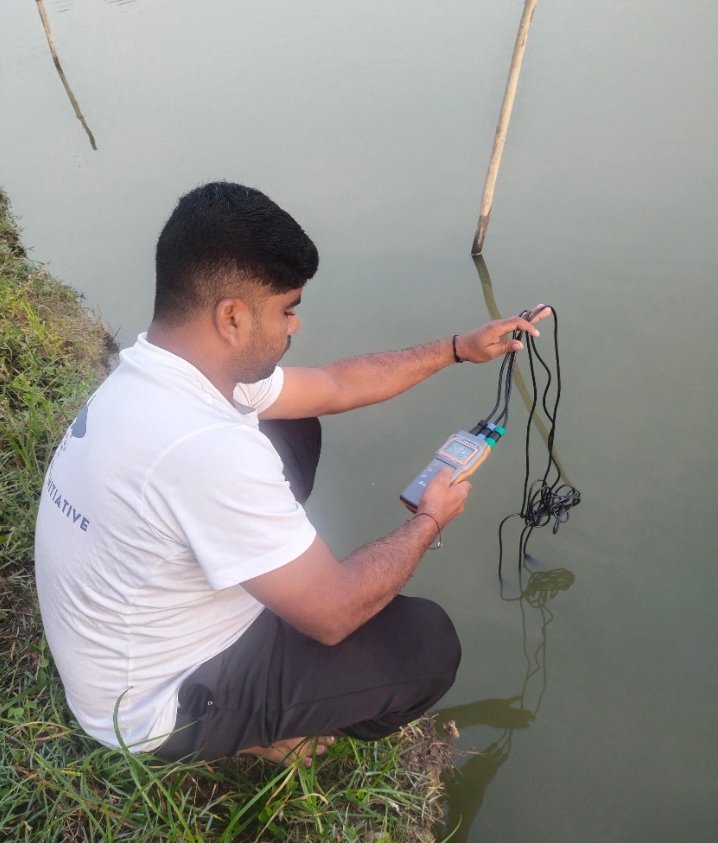
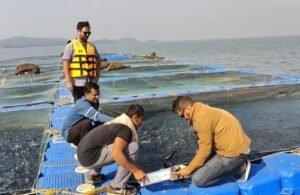
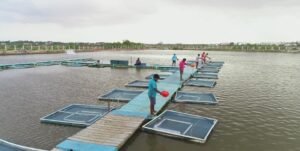
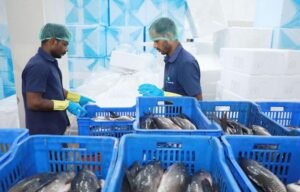
Water quality is the foundation of successful fisheries and aquaculture. Even small changes in dissolved oxygen, pH, temperature or ammonia can reduce fish growth, increase stress and trigger disease outbreaks. In many parts of India, water quality is still monitored manually, often only once or twice a day. By the time a problem is detected, fish may already have suffered significant losses. Industry 4.0 offers a more effective solution through smart IoT water quality monitoring systems.
India is one of the world’s largest fish producers, with aquaculture contributing a growing share of national production. States such as Andhra Pradesh, Kerala, Tamil Nadu, Odisha and West Bengal have thousands of fish ponds, shrimp farms and hatcheries. As production expands, maintaining stable water quality becomes increasingly important for improving productivity and reducing financial risk.
An Internet of Things based monitoring system consists of intelligent sensors installed directly inside ponds, tanks or cages. These sensors continuously measure dissolved oxygen, water temperature, pH, salinity, ammonia, turbidity and water level. Instead of recording measurements manually, the sensors transmit information every few minutes to cloud-based software.
Farmers can view live water quality information on their mobile phones. Even if they are away from the farm, they receive continuous updates about the condition of every pond. If oxygen levels suddenly fall during the night or ammonia begins to rise, the system immediately sends an alert through a mobile application or text message.
Artificial intelligence strengthens the monitoring platform by analysing historical data together with current sensor readings. Rather than simply reporting current conditions, AI predicts future changes. If weather forecasts indicate heavy rainfall or high temperatures, the system estimates how these conditions may affect water quality over the next several hours and recommends preventive action.
Automatic aeration is one of the most valuable applications of Industry 4.0 in fisheries. When dissolved oxygen drops below safe levels, smart controllers automatically activate aerators without requiring human intervention. Once oxygen returns to the desired range, the system switches them off, reducing electricity consumption while protecting fish health.
Water quality monitoring also improves feeding efficiency. Fish consume less feed when oxygen levels decline or water conditions become unsuitable. Artificial intelligence combines water quality information with feeding schedules and recommends adjustments that reduce feed waste while improving fish growth.
Government fisheries departments can establish centralized monitoring platforms covering multiple districts. Anonymous data collected from thousands of farms provides valuable insight into seasonal trends, regional water quality issues and environmental risks. Authorities can identify emerging problems and issue advisories before large scale production losses occur.
Research institutions also gain access to continuous environmental data instead of depending only on periodic field surveys. Scientists can analyse long term patterns linking water quality with fish growth, disease outbreaks and climate change. This supports the development of improved farming practices suited to Indian conditions.
Small farmers benefit significantly because affordable IoT systems reduce dependence on expensive laboratory testing. Mobile applications provide easy to understand dashboards using colour coded indicators that help farmers make timely decisions without requiring advanced technical expertise.
Cloud computing enables fisheries cooperatives to monitor many farms from a single operations centre. Technical experts can guide farmers remotely by reviewing live data and recommending corrective measures. This approach expands access to professional support even in rural areas.
Integration with weather forecasting further improves decision making. Rainfall, heat waves and strong winds directly influence pond conditions. AI combines weather forecasts with sensor data to generate early warnings several hours before environmental conditions become dangerous.
Energy management is another important advantage. Pumps, aerators and water circulation systems consume significant electricity. Smart automation operates this equipment only when required, reducing operating costs while maintaining ideal environmental conditions.
Banks and insurance companies may eventually use verified monitoring data to evaluate operational risk. Farms with continuous digital monitoring often experience fewer losses and demonstrate stronger management practices. This can improve access to financial services and reduce insurance premiums.
Export markets increasingly require evidence of scientific farming practices and food safety. Continuous digital records of water quality demonstrate that production followed internationally accepted standards. This strengthens confidence among overseas buyers and enhances India’s export competitiveness.
Successful implementation requires reliable internet connectivity, affordable sensors and farmer training. Government subsidy programmes, fisheries cooperatives and technology companies can work together to make smart monitoring systems accessible to producers of every size.
India’s fisheries sector is moving toward a future where decisions will increasingly depend on data rather than observation alone. Smart IoT water quality monitoring represents one of the most practical Industry 4.0 technologies because it directly addresses the environmental conditions that determine fish survival and productivity.
By combining intelligent sensors, artificial intelligence, cloud computing and automated control systems, India can create a fisheries sector that is more efficient, sustainable and resilient. Real time water quality monitoring will help reduce losses, improve farmer incomes, strengthen exports and support the long term growth of the country’s blue economy.