Disease outbreaks remain one of the biggest challenges facing India’s fisheries and aquaculture sector. Fish farmers often discover illnesses only after large numbers of fish begin to die or stop growing properly. By that stage, economic losses are already substantial. Traditional disease diagnosis depends heavily on visual inspection, laboratory testing and expert opinion, all of which require time and skilled personnel. Industry 4.0 technologies provide an opportunity to change this model through artificial intelligence, computer vision and intelligent monitoring systems.
India is one of the world’s largest producers of farmed fish and shrimp. States such as Andhra Pradesh, West Bengal, Odisha, Kerala and Tamil Nadu have invested significantly in aquaculture. As production continues to expand, maintaining fish health becomes increasingly important for food security, exports and rural livelihoods.
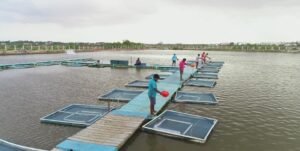
Artificial intelligence can detect early signs of disease long before they become visible to farmers. Underwater cameras installed in ponds, tanks and cages continuously capture images and videos of fish. Computer vision algorithms analyse swimming behaviour, body colour, feeding patterns, movement speed and physical abnormalities. Small changes that may escape human observation can be identified automatically.
Healthy fish display predictable behavioural patterns. When disease begins to develop, fish may swim irregularly, remain near the surface, gather in unusual groups or reduce feeding activity. AI systems compare these behaviours with thousands of historical examples and identify potential health risks within minutes.
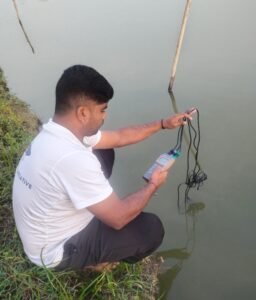
Water quality sensors further strengthen disease detection. Fish health depends heavily on oxygen levels, temperature, pH, salinity and ammonia concentration. IoT sensors continuously monitor these parameters and transmit information to cloud platforms. Artificial intelligence studies both environmental conditions and fish behaviour together, allowing more accurate predictions of disease outbreaks.
Instead of waiting until fish begin dying, farmers receive early warnings through mobile applications. Notifications can recommend water quality adjustments, feeding changes or veterinary consultation before the disease spreads throughout the pond.
Machine learning models improve continuously as they analyse larger datasets collected from farms across different regions. Every new disease event helps improve prediction accuracy. Over time, AI systems become increasingly capable of recognizing diseases under varying environmental conditions and for different fish species.
Government fisheries departments can also benefit from centralized disease monitoring platforms. Anonymous data collected from thousands of farms can identify regional disease trends. Authorities can issue early advisories, coordinate laboratory testing and deploy veterinary teams before outbreaks spread across districts.
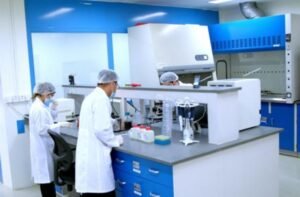
Research institutions gain valuable information from continuous digital monitoring. Instead of conducting occasional field surveys, scientists receive real time datasets covering fish behaviour, environmental conditions and disease progression. This accelerates research into disease prevention and treatment.
Feed management also improves through artificial intelligence. Sick fish typically consume less feed. AI systems detect reduced feeding activity and automatically recommend adjustments, preventing unnecessary feed wastage while reducing water pollution caused by uneaten feed.
Insurance companies can use verified monitoring records to assess risks more accurately. Farms with advanced disease monitoring systems may qualify for lower insurance premiums because early detection reduces the probability of catastrophic losses.
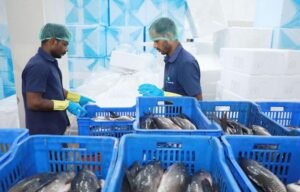
Export markets increasingly demand assurance regarding fish health and food safety. Digital health monitoring records demonstrate that farms maintain continuous surveillance and follow scientific management practices. This strengthens India’s reputation among international seafood buyers.
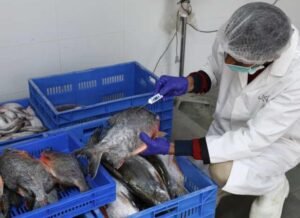
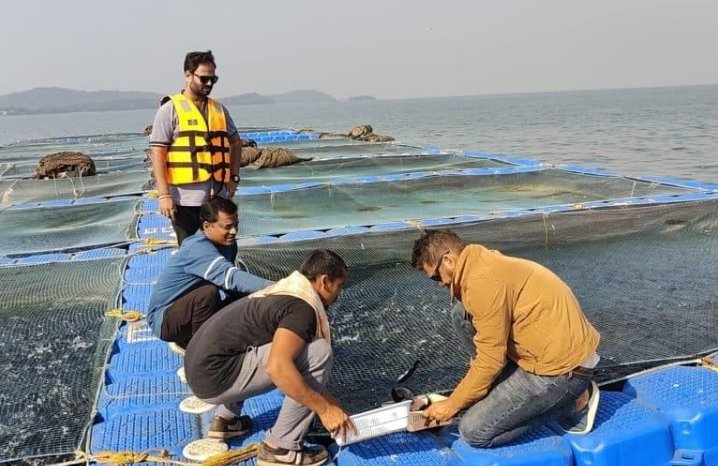
Small fish farmers often lack access to specialized aquatic veterinarians. AI-powered diagnosis provides practical support even in remote villages. Mobile applications can analyse photographs of affected fish, compare them with disease databases and recommend possible causes along with suggested actions. Human experts remain important, but AI significantly improves the speed of initial assessment.
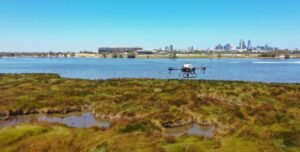
Integration with drones further expands monitoring capabilities. Drones equipped with high resolution cameras can inspect large aquaculture ponds quickly, identifying abnormal water colour, algal blooms or unusual fish behaviour without disturbing production.
Cloud computing enables centralized management of multiple farms. Cooperatives and commercial aquaculture companies can monitor hundreds of ponds from a single operations centre. Managers receive live dashboards showing health indicators, environmental conditions and risk scores for every production unit.
Successful implementation requires affordable equipment and farmer training. Government support through subsidies, demonstration projects and digital extension services can accelerate adoption among small producers. Universities and fisheries research institutes can develop AI models specifically designed for Indian fish species and farming conditions.
Data privacy and cybersecurity should also receive attention. Farm data must remain secure while allowing researchers and authorities to analyse broader trends responsibly.
India’s fisheries sector is entering an era where production growth must be matched by technological innovation. Artificial intelligence offers a practical Industry 4.0 solution that improves fish health, reduces losses and strengthens the entire aquaculture value chain. Early disease detection not only protects farmer incomes but also improves food security and export competitiveness.
By combining AI, computer vision, IoT sensors and cloud analytics, India can create a smarter fisheries ecosystem where diseases are identified before they become disasters. Such a transformation would improve productivity, increase sustainability and help position the country as a global leader in technology-enabled aquaculture.