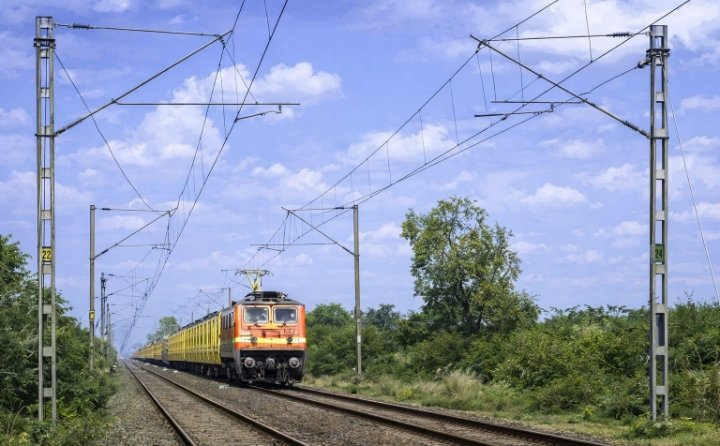
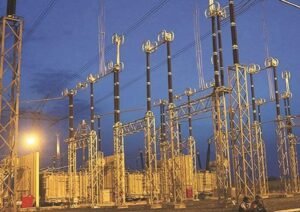
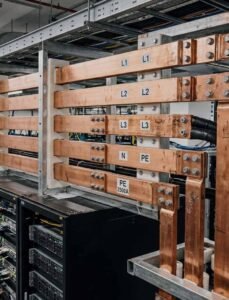
Railway electrification has become one of India’s largest infrastructure programmes. Thousands of kilometres of railway lines have been electrified to improve energy efficiency, reduce dependence on imported fuels, increase train speeds, and lower operating costs. Copper is one of the most important materials supporting this transformation. It is extensively used in overhead contact systems, traction substations, transformers, switchgear, signalling systems, earthing networks, control cables, communication equipment, and power distribution infrastructure. As railway expansion continues across the country, effective governance of copper resources has become increasingly important. An AI Governance Platform for Copper in Railway Electrification offers an Industry 4.0 solution by integrating artificial intelligence, Internet of Things technology, cloud computing, blockchain, computer vision, and predictive analytics into a unified national management system.
Railway electrification projects involve multiple organisations including copper manufacturers, cable suppliers, engineering companies, contractors, logistics providers, railway divisions, inspection agencies, and maintenance teams. Every project generates large volumes of information related to procurement, transportation, installation, quality inspection, inventory, and maintenance. These records often remain distributed across different departments and software platforms, making nationwide coordination more difficult.
An AI Governance Platform would connect these stakeholders through a secure digital ecosystem. Artificial intelligence would continuously analyse copper production, project schedules, inventory levels, contractor performance, installation progress, maintenance records, and future expansion plans. Decision makers would receive a comprehensive national picture of copper availability and utilisation.
Predictive analytics would estimate future copper requirements by analysing upcoming railway projects, route electrification targets, freight corridor development, metro rail expansion, and maintenance schedules. Government agencies and manufacturers would receive early forecasts that improve production planning and procurement decisions.
Internet of Things sensors installed throughout railway power infrastructure would monitor the condition of overhead conductors, substations, transformers, switchgear, electrical panels, and grounding systems. Sensors would measure electrical load, temperature, vibration, humidity, and equipment health in real time. Artificial intelligence would analyse this information to identify early signs of wear or equipment degradation before failures occur.
Computer vision would improve inspection efficiency. High resolution cameras mounted on maintenance vehicles, inspection trains, drones, or fixed infrastructure could automatically examine overhead copper conductors, electrical connections, insulators, and support structures. Artificial intelligence would detect corrosion, loose fittings, damaged conductors, overheating, and other defects that require maintenance.
Cloud computing would provide secure access to operational dashboards for railway engineers, project managers, contractors, policymakers, and maintenance teams. Users could monitor project progress, inventory availability, equipment condition, and regional copper utilisation from any authorised location.
Digital workflows would improve project coordination. Contractors could upload installation records, inspection results, material consumption, and work completion reports directly into the platform. Artificial intelligence would compare actual progress against project schedules, helping identify delays before they affect commissioning timelines.
Blockchain technology would create permanent digital records for copper procurement, installation, inspections, maintenance activities, and equipment replacement. Every major electrical component would receive a secure digital identity, strengthening traceability and simplifying long term asset management.
The platform would also support preventive maintenance. Artificial intelligence would analyse years of operational information to estimate the remaining service life of copper conductors, electrical connectors, transformers, and related infrastructure. Maintenance teams could replace ageing components before unexpected failures interrupt railway operations.
Manufacturers supplying railway electrification materials would benefit through improved demand forecasting and production planning. Contractors would gain better visibility into material availability, reducing construction delays and improving project efficiency.
Railway authorities would receive accurate information regarding infrastructure performance across different zones. Instead of relying solely on periodic manual reporting, operational decisions could be supported by continuously updated digital information.
Financial institutions financing railway infrastructure projects would benefit from verified digital records documenting project execution, material utilisation, and operational performance. Insurance providers would gain greater confidence through improved infrastructure monitoring and digital maintenance documentation.
Government agencies responsible for railways, heavy industries, power, and infrastructure development would obtain valuable insights regarding copper consumption, project execution, equipment performance, and future resource requirements. These insights would support evidence based policymaking and strategic industrial planning.
Technology companies would find opportunities to develop artificial intelligence inspection software, industrial Internet of Things platforms, railway asset management systems, blockchain infrastructure, predictive maintenance tools, and cloud based governance solutions specifically for railway electrification. Universities and research institutions could contribute innovations in intelligent infrastructure monitoring, machine learning, digital asset management, and railway engineering.
Industry 4.0 technologies enhance rather than replace railway engineers, electricians, inspectors, and maintenance professionals. Experienced personnel remain responsible for engineering decisions, operational safety, and infrastructure management while artificial intelligence provides better information, continuous monitoring, and predictive insights.
India’s railway network continues to play a central role in economic development by connecting industries, ports, cities, and rural regions. Electrification is improving operational efficiency while supporting cleaner transportation. Effective governance of copper resources ensures that this transformation proceeds efficiently, economically, and sustainably.
An AI Governance Platform for Copper in Railway Electrification represents a strategic Industry 4.0 initiative that combines artificial intelligence, Internet of Things technology, computer vision, blockchain, cloud computing, and predictive analytics into a unified governance framework. By improving transparency, planning, maintenance, and resource coordination, India can strengthen its railway infrastructure, optimise copper utilisation, enhance operational reliability, and support the long term modernisation of one of the world’s largest railway networks.