
Copper is one of the most strategically important industrial metals in India because it supports electricity generation, transmission, telecommunications, manufacturing, transport, renewable energy, and digital infrastructure. As the country invests in smart cities, electric vehicles, solar parks, data centres, and modern industrial corridors, the demand for copper continues to increase. Managing this valuable resource efficiently requires better governance, improved transparency, and faster decision making. An AI Governance Platform for Copper Distribution represents an Industry 4.0 approach that can improve the movement of copper from producers to manufacturers while reducing waste and increasing accountability.
India’s copper supply chain involves mining companies, copper smelters, refineries, manufacturers, logistics providers, warehouses, distributors, government agencies, and industrial consumers. Every stage generates valuable information regarding production, transportation, storage, pricing, and consumption. Much of this information is currently stored across separate systems, making it difficult to obtain a complete picture of national copper availability.
An AI Governance Platform would integrate these fragmented information sources into a unified digital ecosystem. Artificial intelligence would analyse production data, inventory records, transportation schedules, industrial demand, import volumes, export commitments, and regional consumption patterns. Government agencies and authorised industry participants would receive real time insights that support faster and more informed decision making.
The platform would continuously monitor copper production from domestic refineries and imported supplies. As copper moves through warehouses, manufacturing clusters, and industrial parks, digital records would update automatically using connected technologies. This would create greater visibility across the national supply chain while reducing uncertainty regarding available inventory.
Internet of Things sensors installed in warehouses and logistics facilities could monitor copper coils, rods, sheets, and cathodes throughout storage and transportation. Smart weighing systems, environmental sensors, and digital tracking devices would transmit information directly to cloud platforms. Artificial intelligence would compare actual inventory with expected inventory, immediately identifying discrepancies that require investigation.
Predictive analytics would become one of the platform’s most valuable capabilities. Artificial intelligence would analyse historical consumption together with current industrial activity to forecast future copper demand. If demand from electric vehicle manufacturers or renewable energy projects begins increasing rapidly, authorities and producers could receive advance notice, allowing supply chains to respond before shortages develop.
The platform would also strengthen procurement planning. Public infrastructure projects involving transmission lines, railway electrification, metro systems, defence manufacturing, and smart grid development require significant quantities of copper. Artificial intelligence could compare project schedules with national inventory levels, helping agencies coordinate procurement more efficiently while avoiding unnecessary price fluctuations.
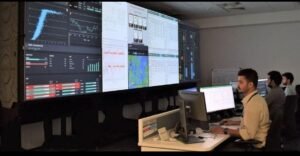
Cloud computing would enable secure access for authorised stakeholders across multiple organisations. Ministries, state departments, manufacturers, logistics providers, public sector enterprises, and approved private companies could access customised dashboards showing production, inventory, transportation status, and regional demand. Decision makers would gain a common operational picture without compromising commercially sensitive information.
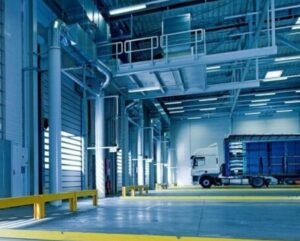
Computer vision systems could automate warehouse inspections by identifying copper products through image recognition. Cameras positioned at loading bays and storage facilities would verify incoming and outgoing materials while reducing manual counting errors. Artificial intelligence would confirm that shipments match digital records before transportation begins.
Blockchain technology could further strengthen governance by creating tamper resistant transaction records for every major movement of copper. Production batches, warehouse transfers, quality certifications, transportation documents, and delivery confirmations would become part of a permanent digital record. This would improve traceability and simplify auditing while increasing confidence among manufacturers and public agencies.
The platform could also support sustainability objectives. Artificial intelligence would monitor copper recycling volumes, industrial scrap recovery, and secondary copper production. Since recycled copper retains its technical properties, increasing recycling efficiency reduces pressure on primary resources while lowering environmental impacts. Government programmes encouraging circular economy practices would benefit from accurate digital information regarding recycling performance.
Manufacturers would gain significant operational advantages. Companies producing electrical cables, transformers, motors, switchgear, and renewable energy equipment would receive improved visibility regarding raw material availability and expected delivery schedules. Better information would reduce inventory costs while improving production planning.
Logistics providers would also benefit from optimised transportation planning. Artificial intelligence could recommend efficient shipment routes based on warehouse capacity, customer demand, traffic conditions, rail availability, and port operations. Faster deliveries would reduce transportation costs while improving supply chain resilience.
Banks financing industrial projects could use verified digital information regarding copper inventories and supply chain activity to improve lending decisions. Insurance providers would similarly benefit from enhanced visibility into inventory management, transportation, and warehouse operations.
Government agencies responsible for industry, commerce, power, railways, renewable energy, and infrastructure would gain a comprehensive understanding of copper movement across the economy. This information would support evidence based policymaking, strategic resource planning, and investment prioritisation. During periods of market volatility or unexpected supply disruptions, authorities could respond more quickly using reliable real time information.
Technology companies would have opportunities to develop artificial intelligence software, cloud platforms, warehouse automation systems, industrial Internet of Things sensors, blockchain infrastructure, and predictive analytics solutions tailored specifically for India’s copper industry. Universities and research institutions could contribute advanced algorithms, intelligent logistics models, and digital governance frameworks that further improve operational efficiency.
The platform would not replace existing industrial expertise. Engineers, supply chain managers, warehouse operators, and policymakers would continue making strategic decisions. Industry 4.0 technologies would provide them with more accurate information, faster analysis, and improved forecasting capabilities that enhance decision quality.
As India expands its manufacturing base and modernises critical infrastructure, copper will remain one of the country’s most important industrial resources. Effective governance of this resource is essential for maintaining economic growth, supporting industrial competitiveness, and ensuring reliable development of energy and transportation systems.
An AI Governance Platform for Copper Distribution represents a practical Industry 4.0 opportunity that combines artificial intelligence, Internet of Things technology, computer vision, blockchain, cloud computing, and predictive analytics into a unified governance ecosystem. By improving transparency, coordination, forecasting, and operational efficiency, India can strengthen its copper supply chain, support infrastructure development, reduce resource wastage, and build a more resilient industrial economy.