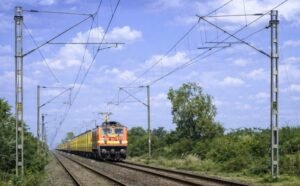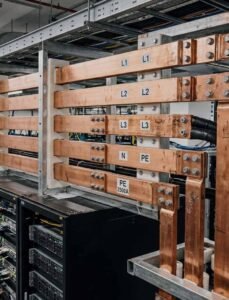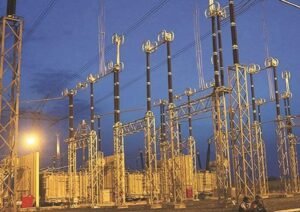
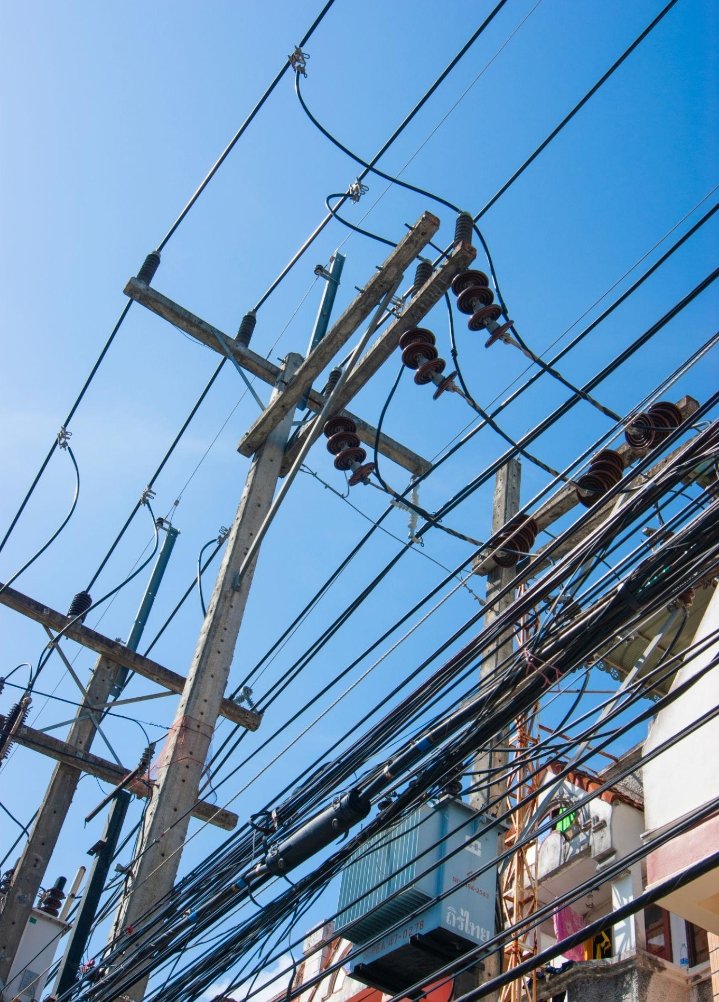
Copper theft has become a significant challenge for infrastructure operators across India. Power utilities, railway networks, telecommunications companies, renewable energy installations, manufacturing plants, construction projects, and public infrastructure all depend on copper cables, earthing systems, transformers, busbars, and electrical equipment. Theft of these assets not only causes financial losses but also disrupts electricity supply, delays transportation, interrupts communication networks, and increases maintenance costs. As India expands its digital infrastructure and energy systems, preventing copper theft has become an important governance priority. An AI Governance Platform for Copper Theft Prevention offers an Industry 4.0 solution by combining artificial intelligence, Internet of Things technology, computer vision, cloud computing, blockchain, and predictive analytics.
Copper theft often occurs at remote electrical substations, railway corridors, industrial sites, solar parks, telecom towers, warehouses, and construction projects. Traditional security methods depend on periodic inspections, manual surveillance, and security personnel. While these methods remain important, they are often unable to provide continuous monitoring across thousands of geographically distributed assets.
An AI Governance Platform would connect critical infrastructure into a unified digital security network. Internet of Things sensors installed on copper cables, transformers, electrical panels, grounding systems, and distribution equipment would continuously monitor asset status. If a cable is cut, removed, or tampered with, sensors would immediately transmit alerts to a central monitoring platform.
Artificial intelligence would analyse sensor information together with historical incident records, weather conditions, maintenance schedules, and geographical patterns. The system would distinguish between authorised maintenance activities and suspicious behaviour, reducing false alarms while improving response speed.
Computer vision would strengthen site security through intelligent video analytics. High resolution cameras positioned at substations, railway facilities, industrial compounds, and utility installations would continuously monitor activity. Artificial intelligence would detect unusual movements, unauthorised entry, suspicious vehicles, or attempts to remove copper equipment. Security personnel would receive immediate notifications supported by live video evidence.
Cloud computing would provide a common operational dashboard for power utilities, railway authorities, telecom operators, industrial security teams, and authorised government agencies. Decision makers could monitor infrastructure security across multiple regions through secure digital platforms while coordinating rapid responses when incidents occur.
Predictive analytics would identify locations facing elevated theft risk. Artificial intelligence would study previous theft incidents, scrap market activity, seasonal trends, infrastructure age, population density, and transportation accessibility to estimate where future theft attempts are most likely. Security resources could then be deployed proactively rather than reactively.
Blockchain technology would improve accountability for recovered materials and replacement assets. Every replacement cable, transformer component, or electrical part installed after maintenance would receive a secure digital record documenting procurement, installation, inspection, and ownership history. This strengthens asset management while simplifying auditing.
The platform could also integrate with maintenance management systems. Artificial intelligence would compare equipment condition with security information to distinguish genuine equipment failures from deliberate theft or vandalism. Maintenance teams would receive more accurate work orders, reducing unnecessary inspections and improving operational efficiency.
Power utilities would benefit from fewer service interruptions and lower maintenance costs. Railway operators could reduce disruptions caused by stolen signalling cables or electrical systems. Telecommunications companies would strengthen network reliability by protecting fibre infrastructure supported by copper power systems.
Renewable energy projects would also benefit. Solar parks and wind farms often occupy large remote locations where copper theft presents ongoing risks. Intelligent monitoring systems would provide continuous oversight without requiring permanent human presence at every location.
Industrial manufacturers relying on uninterrupted electrical supply would experience improved operational reliability. Better infrastructure protection reduces unexpected production stoppages while improving overall business continuity.
Banks and insurance companies would gain greater confidence when financing infrastructure projects protected by intelligent monitoring systems. Verified security information reduces operational risk while supporting more accurate insurance assessment.
Government agencies responsible for power, railways, telecommunications, smart cities, and public infrastructure would receive aggregated information regarding infrastructure security trends across different regions. This supports better policy development and more efficient allocation of security resources.
Technology companies would have opportunities to develop artificial intelligence surveillance software, industrial Internet of Things sensors, cloud security platforms, intelligent video analytics, predictive risk models, and digital asset management systems specifically for critical infrastructure protection. Universities and research institutions could contribute advanced machine learning algorithms, intelligent surveillance technologies, and cybersecurity solutions supporting next generation infrastructure governance.
Industry 4.0 technologies are not intended to replace security personnel or engineers. Instead, they enhance existing expertise by providing continuous monitoring, faster incident detection, accurate predictive analysis, and coordinated response capabilities. Human judgement remains central while digital technologies provide better situational awareness.
As India continues investing in power transmission, renewable energy, smart cities, digital infrastructure, and industrial development, protecting copper assets becomes increasingly important for national economic resilience. Reliable infrastructure depends not only on construction but also on effective governance throughout its operational life.
An AI Governance Platform for Copper Theft Prevention represents a practical Industry 4.0 opportunity that integrates artificial intelligence, computer vision, Internet of Things technology, blockchain, cloud computing, and predictive analytics into a unified governance framework. By improving infrastructure security, reducing operational losses, strengthening asset accountability, and enabling faster responses to emerging threats, India can safeguard one of its most valuable industrial resources while supporting reliable national infrastructure development.