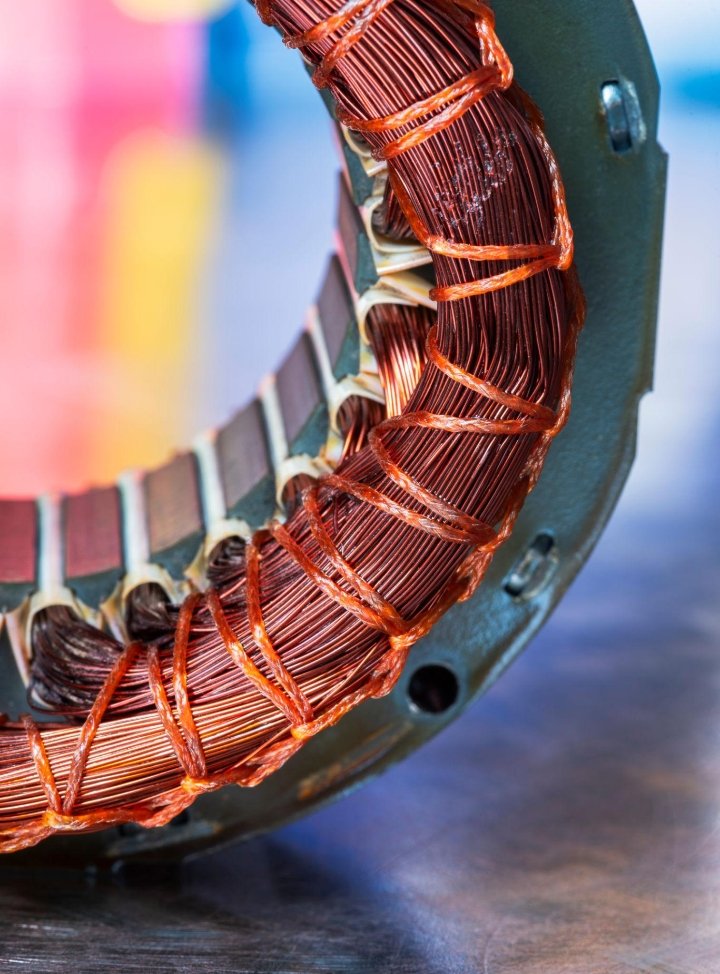
Copper has emerged as one of the most critical raw materials in the electric vehicle industry. Every electric vehicle requires substantially more copper than a conventional automobile because copper is used in electric motors, battery connections, inverters, charging systems, wiring harnesses, cooling systems, and high voltage power electronics. As India accelerates electric vehicle adoption, ensuring a stable and transparent supply of copper has become an important governance challenge. A National AI Governance Platform for Copper in Electric Vehicle Manufacturing offers an Industry 4.0 solution that integrates artificial intelligence, Internet of Things technology, cloud computing, blockchain, digital twins, and predictive analytics to strengthen the country’s EV manufacturing ecosystem.
India’s electric vehicle supply chain includes copper refiners, wire manufacturers, motor manufacturers, battery producers, vehicle manufacturers, component suppliers, logistics companies, charging infrastructure developers, and recycling facilities. Every participant generates valuable operational data, yet much of this information remains isolated across independent systems.
A unified AI governance platform would connect these participants through a secure digital infrastructure. Artificial intelligence would analyse copper production, imports, inventory levels, manufacturing schedules, logistics performance, and projected vehicle demand to create a comprehensive national view of copper availability for the EV sector.
Manufacturers would receive early warnings whenever projected copper demand exceeds available supply. Artificial intelligence could recommend alternative procurement strategies, production adjustments, or increased recycling efforts before shortages affect factory operations.
Internet of Things sensors installed throughout manufacturing facilities would monitor copper movement from raw material warehouses to motor winding stations, battery assembly lines, cable production units, and finished vehicle assembly. Every movement would be recorded automatically, improving inventory accuracy while reducing manual reporting.
Digital twins would create virtual representations of manufacturing plants. Engineers could simulate future production scenarios based on expected copper availability, machine capacity, workforce utilisation, and customer demand. Production bottlenecks could be identified digitally before they affect factory performance.
Artificial intelligence would also optimise copper utilisation inside manufacturing plants. By analysing production data from thousands of vehicles, machine learning algorithms could identify opportunities to reduce scrap generation, improve cutting efficiency, optimise motor winding patterns, and minimise raw material losses without compromising product quality.
Cloud computing would provide authorised access to manufacturers, suppliers, policymakers, and infrastructure planners through secure dashboards. Decision makers could monitor copper demand, production progress, recycling capacity, logistics performance, and regional manufacturing activity in real time.
Blockchain technology would strengthen traceability across the EV supply chain. Every batch of copper used in electric motors, battery systems, charging equipment, and wiring harnesses would receive a secure digital identity documenting production, transportation, quality certification, and manufacturing history. This improves transparency while supporting international export requirements.
Predictive analytics would become an important planning tool. Artificial intelligence would analyse electric vehicle sales forecasts, charging infrastructure expansion, industrial investments, and renewable energy growth to estimate future copper demand across different regions of India. Government agencies could use these forecasts to guide industrial policy and infrastructure planning.
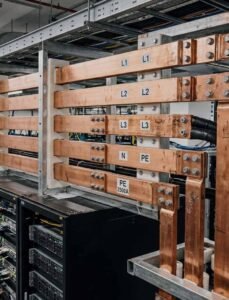
Computer vision systems would automate quality inspection of copper components before assembly. High resolution cameras supported by artificial intelligence would inspect copper windings, busbars, connectors, cables, and terminals for manufacturing defects. Early detection reduces product failures while improving vehicle reliability.
The platform could also strengthen copper recycling within the EV industry. As batteries, motors, and charging systems reach the end of their operational life, artificial intelligence would estimate future recycling volumes and recommend efficient recovery strategies. Increased recycling reduces dependence on imported raw materials while supporting India’s circular economy.
Manufacturers would benefit through improved production planning, better inventory management, lower raw material costs, reduced waste, and greater supply chain resilience. Suppliers would gain more accurate forecasts, allowing better capacity planning and investment decisions.
Banks financing electric vehicle manufacturing would benefit from verified operational information regarding production, inventory, and raw material availability. Insurance companies could improve risk assessment using continuously updated manufacturing and supply chain information.
Government agencies responsible for heavy industries, commerce, renewable energy, transport, and manufacturing would gain a comprehensive understanding of copper demand across India’s expanding EV ecosystem. This supports evidence based policymaking while encouraging investment in strategic industrial capacity.
Technology companies would find opportunities to develop AI forecasting software, industrial Internet of Things systems, blockchain platforms, digital twin applications, cloud manufacturing solutions, and advanced analytics tools designed specifically for electric vehicle supply chains. Universities and research institutions could contribute innovations in intelligent manufacturing, resource optimisation, and sustainable industrial systems.
Industry 4.0 technologies complement rather than replace engineering expertise. Engineers, production managers, metallurgists, and supply chain professionals continue making strategic decisions while artificial intelligence provides better information, faster analysis, and improved forecasting capabilities.
As India aims to become a global hub for electric vehicle manufacturing, effective governance of strategic raw materials becomes increasingly important. Copper will remain fundamental to motors, charging infrastructure, batteries, renewable energy integration, and advanced transportation technologies.
A National AI Governance Platform for Copper in Electric Vehicle Manufacturing represents a forward looking Industry 4.0 initiative that combines artificial intelligence, Internet of Things technology, blockchain, digital twins, cloud computing, computer vision, and predictive analytics into an integrated governance framework. By improving transparency, resource planning, production efficiency, and supply chain coordination, India can strengthen its electric vehicle industry while building a resilient foundation for long term industrial growth.