India’s agricultural productivity begins with one of the smallest yet most important inputs in farming: the seed. High-quality seeds determine crop yields, disease resistance, climate resilience, and ultimately farmer income. Despite major advances in seed production, counterfeit products, poor traceability, inconsistent quality, and fragmented supply chains continue to affect millions of farmers. A National Digital Seed Traceability Infrastructure can create a transparent, technology-driven ecosystem that follows every certified seed from production to cultivation.
The concept is based on assigning every batch of certified seed a unique digital identity. This identity follows the seed through breeding, multiplication, processing, laboratory testing, packaging, transportation, wholesale distribution, retail sales, and final purchase by farmers. Every transaction becomes part of a secure digital record that can be verified instantly.
Seed producers would upload information directly into a national platform. Details such as crop variety, production location, certification status, laboratory reports, germination percentage, moisture content, purity level, production date, and expiry date become available through a standardized digital system. Farmers gain immediate confidence that they are purchasing genuine products.
QR codes provide an accessible interface for farmers. By scanning the package using a mobile phone, buyers can verify whether the seed has been officially certified. They can also view cultivation recommendations, expected growing conditions, regional suitability, irrigation requirements, disease resistance characteristics, and contact information for technical support.
Counterfeit seeds remain a significant concern in several agricultural markets. Fake products often resemble legitimate brands, making it difficult for farmers to distinguish genuine supplies. A digital traceability system allows retailers, inspectors, and farmers to verify authenticity before purchase. Counterfeit products become easier to detect and remove from the supply chain.
Artificial intelligence further enhances the platform by analysing purchasing trends, regional demand, crop adoption patterns, and seasonal distribution. Authorities can identify unexpected shortages, unusual market behaviour, and possible counterfeit activity before it spreads widely.
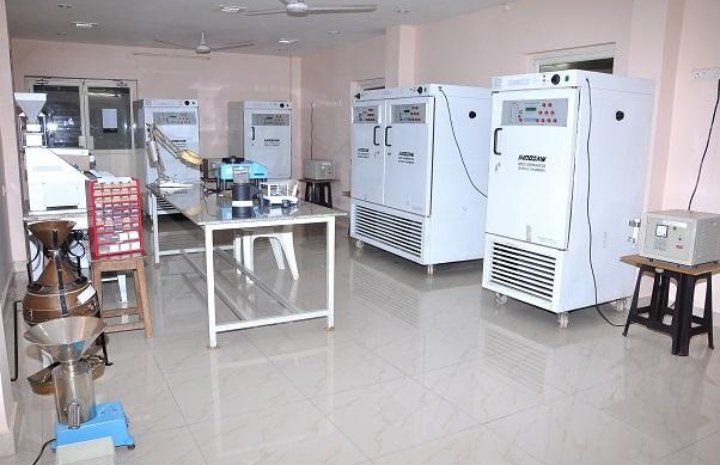
Seed quality laboratories become fully integrated into the infrastructure. Every germination test, purity assessment, disease inspection, and quality certification is automatically linked to the digital identity of each seed batch. This creates complete transparency throughout the certification process.
Climate adaptation also benefits from digital traceability. As weather patterns change, farmers require crop varieties suited to local environmental conditions. The digital platform can recommend seeds based on rainfall history, temperature forecasts, soil characteristics, altitude, and regional pest risks. Farmers receive guidance that is far more specific than traditional printed recommendations.
Agricultural extension officers gain access to valuable information as well. They can monitor which crop varieties are being adopted across different districts, evaluate performance, identify emerging problems, and provide targeted advisory services based on actual field conditions rather than estimates.
Research institutions can analyse anonymized national data to understand how different crop varieties perform under varying climatic conditions. This information supports the development of improved seeds that are more productive, drought-resistant, flood-tolerant, and disease-resistant.
Seed exports also become more competitive. International buyers increasingly expect complete traceability and documented quality assurance. A national digital infrastructure provides exporters with verifiable records covering production, certification, storage, transportation, and quality testing. This strengthens India’s credibility in global agricultural markets.
Banks and agricultural finance institutions benefit from improved transparency. Verified information regarding crop varieties and certified seed usage supports better agricultural risk assessment. Financial institutions can design more accurate lending products based on reliable production data.
Insurance companies can use digital seed information to improve crop insurance programmes. Knowing which certified varieties were planted allows more accurate evaluation of expected productivity and helps distinguish between natural disasters and poor-quality planting material during claim assessments.
Government agencies would gain unprecedented visibility into national seed distribution. They could identify regional shortages, monitor adoption of improved varieties, evaluate subsidy programmes, and strengthen emergency planning during crop failures or natural disasters.
Cybersecurity becomes an important design requirement. Sensitive commercial information belonging to seed producers must remain protected while allowing farmers and regulators access to appropriate data. Strong authentication, encryption, and secure digital governance ensure confidence across the ecosystem.
India has already established itself as a global leader in digital public infrastructure. Extending this success to the seed sector can improve agricultural productivity from the very beginning of the farming cycle. A National Digital Seed Traceability Infrastructure would strengthen farmer confidence, reduce counterfeit products, improve research, enhance exports, support climate-resilient agriculture, and build a more transparent and efficient agricultural economy for the future.