India’s fisheries sector is one of the country’s oldest industries, supporting millions of livelihoods while contributing to food security, exports, and coastal economies. Marine fishing, inland fisheries, aquaculture, seafood processing, and fish exports together form a vast economic ecosystem. As fishing activity expands and environmental pressures increase, governance must evolve beyond fragmented administrative systems. A national digital governance framework can improve transparency, sustainability, safety, and efficiency across the fisheries sector.
A digital governance platform would connect fishermen, fishing harbors, fisheries departments, coast guard authorities, seafood processors, cold storage facilities, exporters, research institutions, weather agencies, and environmental regulators through a secure digital ecosystem. Instead of operating through disconnected databases and manual reporting, all authorized stakeholders would share verified information in real time.
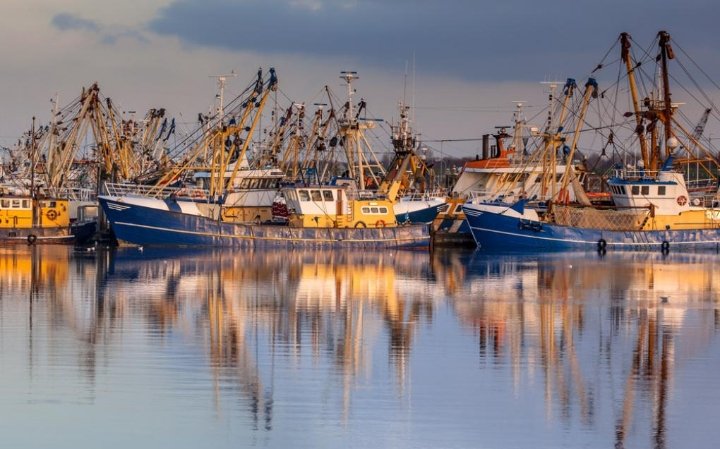
One of the most important applications is vessel governance. Every registered fishing boat can have a secure digital identity linked to licenses, ownership records, safety inspections, fishing zones, equipment certifications, and operating history. Authorities can verify compliance quickly while reducing paperwork and administrative delays.
Artificial intelligence can strengthen fisheries management by analyzing satellite imagery, weather conditions, fish population trends, seasonal migration patterns, and fishing activity. These insights help governments establish sustainable fishing policies while supporting long term conservation of marine resources.
Digital governance also improves safety at sea. Fishing vessels equipped with connected communication systems can continuously share location, weather conditions, emergency alerts, and operational status. During cyclones, rough seas, or equipment failures, authorities can identify vulnerable vessels and coordinate rescue operations more rapidly.
Harbor administration becomes more efficient through integrated digital systems. Fishing arrivals, auction schedules, cold storage capacity, fuel availability, ice supplies, maintenance services, and seafood transportation can all be monitored through real time dashboards. Better coordination reduces congestion while improving operational efficiency.
Environmental governance represents another important opportunity. Digital platforms can integrate satellite monitoring, water quality measurements, marine biodiversity surveys, and fishing activity records to identify illegal fishing, overexploitation, and environmentally sensitive areas. Data driven regulation supports sustainable use of marine resources while protecting biodiversity.
Citizen services also improve through digital governance. Fishermen can renew licenses, apply for subsidies, receive weather advisories, report emergencies, access insurance information, and monitor government assistance programs through secure digital platforms. This reduces administrative burdens while improving access to public services.
Seafood quality management benefits from stronger governance as well. Inspection agencies, laboratories, seafood processors, exporters, and regulators can exchange verified information regarding quality standards, hygiene inspections, certification records, and export compliance. Greater transparency strengthens India’s reputation in international seafood markets.
Financial governance also becomes more effective. Subsidy distribution, fisheries development programs, harbor investments, insurance schemes, and welfare initiatives can be monitored through integrated financial dashboards. Policymakers gain better visibility into public expenditure while improving accountability.
Cybersecurity is essential because fisheries governance increasingly depends on digital information relating to vessel movements, commercial activities, export operations, and public administration. Secure authentication, encrypted communications, and resilient infrastructure protect both government systems and industry participants.
Data generated through the governance platform can support long term policy decisions. Information relating to fish production, coastal infrastructure, export performance, climate impacts, harbor utilization, and employment enables governments to plan future investments using evidence rather than estimates.
The platform should also integrate with ports, customs authorities, cold chain logistics, transportation systems, and export agencies. Such coordination strengthens the entire seafood value chain while improving India’s competitiveness in international markets.
India possesses one of the world’s largest fisheries sectors and an extensive coastline that supports millions of people. As marine resources become increasingly valuable, governance must become more intelligent and responsive.
A digital governance framework for fisheries is not simply about introducing technology. It is about creating a transparent, data driven, and sustainable public administration system capable of balancing economic growth with environmental conservation. By integrating artificial intelligence, connected infrastructure, satellite monitoring, secure digital platforms, and real time analytics, India can modernize the governance of one of its oldest industries while ensuring its long term sustainability.