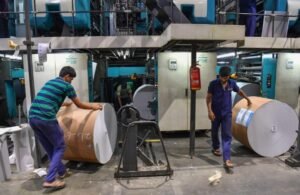
India’s paper industry has supplied domestic and international markets for decades, producing writing paper, packaging materials, tissue products, specialty paper, industrial paper, and recycled paper products. As global demand shifts toward sustainable packaging and environmentally responsible materials, Indian paper manufacturers have an opportunity to expand their presence in international markets. However, future export growth will depend not only on manufacturing capacity but also on the strength of the country’s digital trade infrastructure.
International buyers increasingly expect transparent, efficient, and digitally connected supply chains. They want instant access to product specifications, sustainability certifications, shipping information, quality reports, and compliance documents. Traditional paper based export processes create delays, increase administrative costs, and reduce supply chain visibility. A national digital trade ecosystem can address these challenges while making Indian exporters more competitive.
Every export shipment of paper products can receive a secure digital identity. Production details, raw material sources, recycled fiber content, laboratory test results, environmental certifications, packaging records, customs documentation, and shipping milestones can be securely linked throughout the export journey. Overseas buyers gain immediate access to verified information before products arrive at their destination.
Sustainability has become one of the most important factors influencing international paper trade. Buyers increasingly evaluate suppliers based on recycled material usage, responsible forestry practices, water management, carbon emissions, and environmental compliance. Digital reporting systems allow manufacturers to present verified sustainability data alongside every export shipment. This transparency strengthens India’s position in environmentally conscious markets.
Quality assurance also becomes more efficient through digital certification. Paper products must satisfy precise technical requirements relating to strength, thickness, brightness, moisture content, printability, and durability. Accredited laboratories can upload authenticated test reports directly to the digital trade platform. Importers no longer need to wait for physical documentation, reducing transaction times while improving confidence in Indian products.
Artificial intelligence can strengthen export planning by analyzing international demand, packaging industry growth, consumer purchasing patterns, freight costs, exchange rates, and environmental regulations. Exporters receive valuable insights into emerging markets and changing customer preferences, enabling more informed production and marketing decisions.
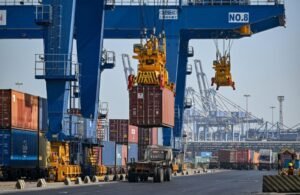
Digital logistics integration further improves efficiency. Paper shipments often move through factories, warehouses, railways, ports, shipping companies, customs authorities, and international distributors before reaching customers. A connected digital platform provides continuous shipment visibility while improving coordination across the logistics network. Delays can be identified and resolved before they affect delivery schedules.
Small and medium sized paper manufacturers also benefit from digital trade infrastructure. Many companies produce specialized products but have limited access to international buyers. A government supported digital marketplace allows verified manufacturers to display product catalogs, technical specifications, certifications, production capacity, and export capabilities directly to overseas customers. This expands global market access without requiring extensive international marketing operations.
Trade finance becomes faster and more efficient through digital integration. Banks can verify export documentation electronically, allowing quicker approvals for export loans, insurance, foreign exchange transactions, and letters of credit. Faster access to finance improves cash flow while supporting business expansion.
Customs modernization is another important advantage. Exporters frequently submit similar information to multiple government agencies during the export process. A unified digital platform enables information to be submitted once while authorized agencies securely access verified records. Automated validation reduces paperwork and accelerates customs clearance.
The digital ecosystem should also provide exporters with continuous market intelligence. Information regarding international tariffs, product regulations, packaging standards, recycling requirements, and environmental legislation helps businesses adapt quickly to changing market conditions. Such knowledge strengthens long term export competitiveness.
Cybersecurity is essential because international trade involves commercially sensitive contracts, customer information, pricing data, and financial transactions. Secure digital identities, encrypted communication, and resilient digital infrastructure protect every participant in the trade ecosystem while maintaining confidence in digital commerce.
India’s paper industry has the manufacturing capability, technical expertise, and production capacity to expand its presence in global markets. The next phase of growth will depend on creating digital systems that simplify trade while improving transparency, efficiency, and customer confidence.
A national digital trade ecosystem for the paper industry would connect manufacturers, certification agencies, logistics providers, customs authorities, financial institutions, insurers, and overseas buyers through a single integrated platform. By combining one of India’s oldest manufacturing industries with advanced digital trade infrastructure, India can strengthen export competitiveness while creating new opportunities in the rapidly evolving global market for sustainable paper products.