
India’s leather industry is one of the country’s oldest manufacturing sectors and has played an important role in international trade for decades. The country exports footwear, handbags, garments, saddlery, industrial gloves, and a wide range of leather accessories to markets across Europe, North America, the Middle East, and Asia. The industry supports millions of jobs and includes thousands of micro, small, and medium enterprises. Despite its strengths, India’s leather exports continue to face challenges related to traceability, compliance, logistics, sustainability, and global competition. A national digital trade ecosystem can help address these issues while improving India’s export competitiveness.
Global buyers increasingly expect complete visibility into the products they purchase. Importers want to know where raw materials originated, how products were manufactured, whether environmental standards were followed, and whether labor regulations were respected. Traditional paper documentation often makes this verification slow and expensive. A digital trade platform can create trusted records that accompany every product from raw material procurement to final export.
Every batch of leather could receive a unique digital identity. Information relating to tanning, processing, manufacturing, testing, packaging, and shipping would be securely recorded throughout the supply chain. Exporters, customs officials, logistics providers, banks, insurers, and overseas buyers could access verified information according to their authorization levels. This transparency reduces disputes while improving confidence among international customers.
Quality certification represents another major opportunity. Export markets require compliance with numerous technical standards regarding chemical content, durability, safety, labeling, and environmental performance. Instead of maintaining separate documentation systems for each certification body, laboratories and inspection agencies could upload verified certificates directly onto a national trade platform. Overseas buyers would instantly confirm product compliance before shipment.
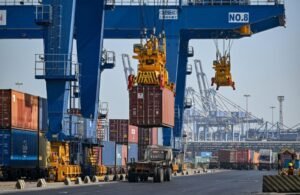
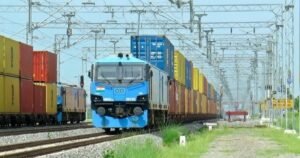
Logistics efficiency is equally important. Export shipments often move through multiple warehouses, trucking companies, ports, customs checkpoints, and shipping lines before reaching international markets. Delays at any stage increase costs and reduce competitiveness. Digital integration enables exporters to track shipments continuously while coordinating transportation, customs clearance, and vessel schedules through a single interface.
Artificial intelligence can further improve export performance by analyzing international demand patterns. Global fashion trends, seasonal purchasing cycles, currency movements, freight costs, and consumer preferences generate valuable information that often remains underutilized. AI systems can recommend export destinations, forecast product demand, and identify emerging market opportunities for Indian manufacturers.
Small and medium enterprises stand to benefit significantly from digital trade infrastructure. Many smaller exporters struggle to reach international buyers because they lack marketing resources or overseas distribution networks. A government supported digital marketplace could allow verified Indian manufacturers to showcase products directly to global importers. Digital catalogs, standardized specifications, online certification records, and integrated logistics services would lower entry barriers for smaller businesses.
Financial services can also become more efficient. Exporters often require trade finance, insurance, foreign exchange services, and working capital throughout the production cycle. Banks connected to the digital platform can verify shipment status and documentation electronically, reducing paperwork while accelerating loan approvals and payment processing. Faster financial services improve cash flow and reduce business risks.
Environmental sustainability has become a critical consideration in international trade. Buyers increasingly evaluate carbon emissions, water consumption, waste management, and recycling practices before selecting suppliers. Digital reporting systems allow manufacturers to document sustainability performance using standardized data. Exporters that demonstrate responsible production practices gain stronger access to environmentally conscious markets.
Customs modernization is another important component. Export documentation frequently requires submissions to multiple government agencies. Digital integration enables information to be submitted once and securely shared among authorized departments. Automated validation reduces errors while accelerating customs clearance. Faster exports improve customer satisfaction and lower logistics costs.
The platform should also integrate with international trade agreements and market intelligence systems. Exporters could receive notifications regarding tariff changes, new regulatory requirements, product standards, and emerging opportunities across different countries. Such information helps businesses adapt quickly to changing global trade conditions.
Cybersecurity remains essential because trade platforms handle commercially sensitive information. Strong encryption, secure digital identities, continuous monitoring, and resilient infrastructure protect exporters, buyers, and government agencies from cyber threats. Building trust in digital trade systems is essential for widespread adoption.
India possesses strong manufacturing capabilities, skilled craftsmanship, and established relationships with international markets. However, future export growth will increasingly depend on digital competitiveness as much as manufacturing excellence. Countries that integrate technology into trade processes will enjoy faster transactions, lower costs, greater transparency, and stronger customer confidence.
A national digital trade ecosystem for the leather industry represents more than a technological upgrade. It creates a foundation for higher productivity, better market access, improved regulatory compliance, and stronger international competitiveness. By connecting manufacturers, logistics providers, certification agencies, financial institutions, customs authorities, and overseas buyers through a unified digital platform, India can strengthen one of its oldest export industries while preparing it for the rapidly evolving demands of global commerce.