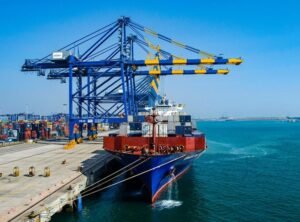
India’s maritime sector has always been one of the country’s greatest economic strengths. From the ancient ports of the Indus Valley Civilization to modern container terminals handling global trade, shipping has connected India to international markets for thousands of years. As global supply chains become increasingly digital, the next phase of maritime growth will depend not only on larger ports or deeper harbors but also on a robust national digital infrastructure that connects every participant in the logistics ecosystem.
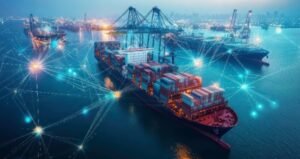
A modern digital infrastructure for ports should function as a common platform linking shipping companies, customs authorities, port operators, freight forwarders, railways, trucking companies, warehouses, exporters, importers, banks, insurers, and regulators. Today, much of this information exists in isolated systems. Data is often duplicated, documents are repeatedly verified, and cargo visibility is limited. A unified digital platform can reduce delays, improve transparency, and make Indian ports more competitive.
One of the most important elements of such an infrastructure is real time cargo visibility. Every container moving through an Indian port generates valuable information. Sensors, GPS devices, RFID tags, and digital documentation can continuously update the location and status of cargo. Exporters would know exactly when goods reach the port, when customs clearance is completed, when loading begins, and when ships depart. Importers would similarly receive accurate updates throughout the shipment process. Such visibility reduces uncertainty and improves planning across industries.
The customs process can also become significantly more efficient through digital integration. Instead of manually exchanging documents across multiple agencies, customs officials could access authenticated digital records directly through secure systems. Shipping manifests, invoices, certificates of origin, inspection reports, and tax information could be verified electronically. Faster clearance would reduce congestion at ports while maintaining high levels of regulatory compliance and security.
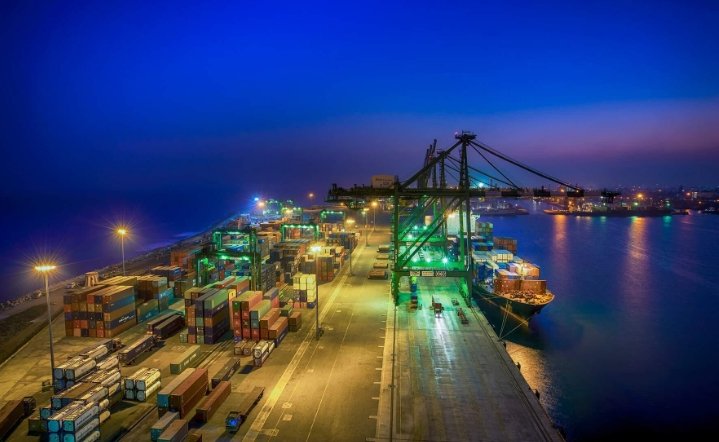
Artificial intelligence has an important role to play in port operations. AI systems can forecast vessel arrivals, optimize berth allocation, predict equipment failures, and manage container movements inside terminals. These capabilities reduce idle time for ships and improve the utilization of expensive port infrastructure. Since delays at ports often create ripple effects throughout supply chains, even small improvements in operational efficiency can generate substantial economic benefits.
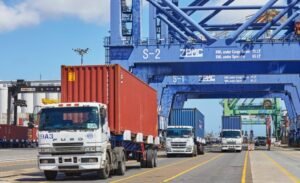
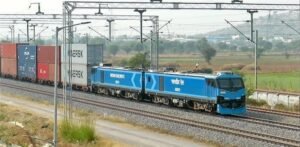
The integration of ports with railways and road transport is another critical area. A national digital infrastructure should not end at the port gate. It should extend to inland logistics parks, freight corridors, warehouses, and manufacturing clusters. Containers leaving ports should be digitally tracked throughout their inland journey. Logistics companies would receive optimized routing suggestions based on traffic conditions, railway schedules, and warehouse capacity. Such coordination would reduce transportation costs while improving delivery reliability.
Digital infrastructure also supports environmental sustainability. Modern ports consume large amounts of electricity and fuel while generating emissions from ships, cargo handling equipment, and transport vehicles. Digital monitoring systems can measure energy consumption, optimize equipment usage, and reduce unnecessary idling. Shore power systems can be managed digitally to allow ships to switch off onboard engines while docked. Environmental dashboards can provide regulators with accurate information on emissions, water quality, and waste management performance.
Cybersecurity becomes increasingly important as ports become digitally connected. Ports represent critical national infrastructure and therefore require strong protection against cyber threats. Secure authentication systems, encrypted communications, continuous monitoring, and rapid incident response capabilities should form an essential part of the digital architecture. Investment in cybersecurity should be considered just as important as investment in physical infrastructure.
Small and medium sized exporters stand to gain significantly from improved digital infrastructure. Many smaller businesses face challenges navigating complex logistics procedures and documentation requirements. A unified digital platform with simplified workflows can reduce administrative burdens and improve access to international markets. This creates opportunities for businesses located far from major ports to participate more effectively in global trade.
Data generated through the platform can also strengthen policy making. Government agencies would gain access to real time information about cargo flows, congestion patterns, export performance, infrastructure utilization, and supply chain bottlenecks. Instead of relying primarily on historical reports, policymakers could respond more quickly to changing economic conditions and emerging trade opportunities.
India has already made significant progress through initiatives focused on port modernization and logistics reform. The next step is to create an integrated national digital infrastructure that treats data as a strategic national asset. Every shipment, every container, and every logistics transaction should contribute to a connected ecosystem that continuously improves efficiency and decision making.
As international trade becomes faster and more data driven, countries that invest in digital logistics infrastructure will enjoy greater competitiveness. India’s geographic location, expanding manufacturing sector, and growing export ambitions provide a strong foundation for such transformation. By building an intelligent digital infrastructure connecting ports, logistics providers, government agencies, and businesses, India can strengthen its role as one of the world’s leading maritime trading nations while creating a more resilient, transparent, and efficient supply chain for decades to come.