Every factory, power plant, mine, railway, port and commercial building depends on spare parts to remain operational. Bearings, valves, motors, pumps, sensors, circuit boards, hydraulic systems and industrial fasteners must be available immediately when equipment fails. While global trade focuses largely on finished products, the spare parts economy remains one of the least explored opportunities in industrial policy. India should position itself as the world’s largest marketplace for industrial spare parts.
Most countries manufacture equipment but maintain fragmented spare parts supply chains. Industrial operators frequently wait weeks or months for replacement components to arrive from overseas manufacturers. Production losses caused by these delays often exceed the value of the spare parts themselves. A globally connected spare parts ecosystem based in India could significantly reduce these disruptions.
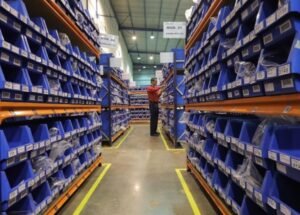
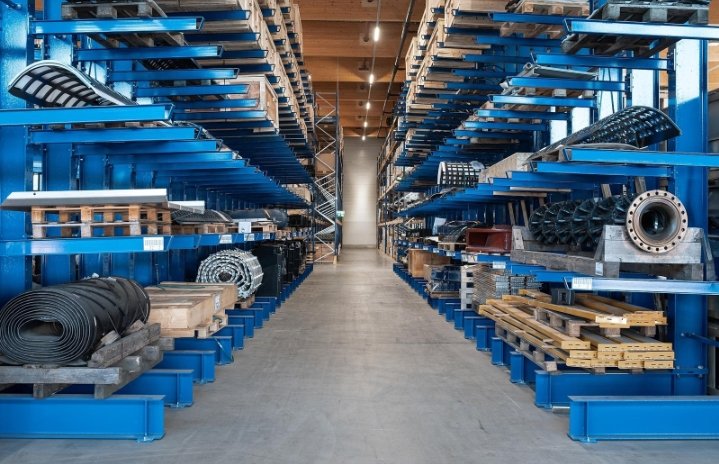
The government should establish National Spare Parts Trade Zones near major ports, airports and industrial corridors. These zones would allow manufacturers and distributors to maintain large inventories of industrial components intended for rapid export. Goods could be imported, stocked, quality verified and shipped worldwide through simplified customs procedures.
The marketplace should include products from multiple industries including automotive, mining, power generation, construction equipment, marine engineering, aviation support, agricultural machinery and industrial automation. Combining these sectors within one ecosystem would attract international buyers seeking consolidated procurement.
Every spare part should receive a standardized digital identity. Product records would include manufacturer information, technical specifications, compatibility data, certification documents, maintenance recommendations and inventory status. Buyers could identify suitable components quickly without relying on outdated catalogues.
Artificial intelligence could match replacement parts across manufacturers. Instead of searching only for identical products, the platform could recommend technically compatible alternatives available from multiple suppliers. This would improve supply chain resilience while reducing dependence on single manufacturers.
Testing and certification centres should verify the quality of critical spare parts before export. International buyers require confidence that replacement components meet safety and performance standards. Accredited laboratories would strengthen India’s reputation as a trusted sourcing destination.
The policy should encourage domestic production of high-demand industrial components while also supporting international inventory management. Indian manufacturers could gradually replace imported products with locally produced alternatives as technical capabilities expand.
Advanced warehouse automation would improve operational efficiency. Robotics, automated storage systems and AI-driven inventory management could reduce dispatch times while maintaining accurate stock records across millions of individual components.
Indian software companies could develop intelligent spare parts platforms integrating predictive maintenance, inventory forecasting and global demand analytics. These digital services would complement physical trade while creating additional export opportunities.
Engineering universities should establish specialized programmes covering industrial maintenance, reliability engineering, spare parts management and supply chain analytics. A skilled workforce would support long-term growth in this highly technical sector.
Financial institutions could introduce inventory financing solutions allowing distributors to maintain larger spare parts inventories without excessive working capital requirements. Digital inventory verification would reduce lending risks while supporting business expansion.
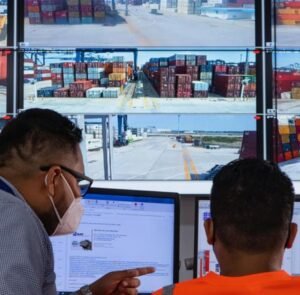
The marketplace should integrate directly with shipping companies, customs systems, logistics providers and industrial buyers through standardized digital interfaces. Automated documentation and real-time shipment tracking would improve reliability for international customers.
Global industries increasingly prioritize operational continuity over simply reducing procurement costs. Reliable access to spare parts has become a strategic advantage for manufacturers, utilities and infrastructure operators. By creating the world’s most comprehensive industrial spare parts marketplace, India can strengthen its position in global trade while generating skilled employment, encouraging domestic manufacturing and supporting industries that depend on uninterrupted operations.