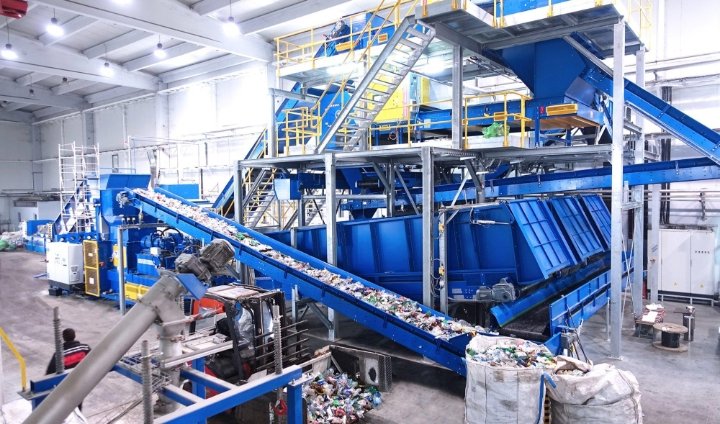
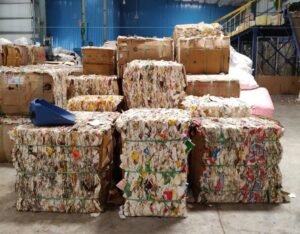
India’s urban and industrial growth has significantly increased the volume of municipal, industrial, electronic, biomedical, plastic, and construction waste generated every day. While many cities have expanded waste collection services and developed new processing facilities, governance often remains fragmented. Collection agencies, municipal corporations, recycling plants, waste transport operators, regulators, and landfill operators frequently work with separate information systems, making coordinated planning difficult.
Digital governance offers an opportunity to transform waste management into an intelligent infrastructure network. Instead of treating waste collection, transportation, recycling, and disposal as independent activities, every stage can be connected through a unified digital platform that supports planning, monitoring, compliance, and resource recovery.
Waste begins generating information long before it reaches a recycling plant. Collection vehicles, transfer stations, material recovery facilities, recycling centres, waste to energy plants, composting facilities, landfills, and industrial treatment systems all produce operational data. Integrating this information creates a complete digital picture of how materials move through the waste management ecosystem.
A national digital governance platform could provide real time visibility into waste generation, collection efficiency, recycling capacity, landfill utilisation, transportation routes, and processing performance. Such visibility enables governments to allocate resources more effectively while identifying regions where infrastructure requires expansion.
Artificial intelligence can improve waste collection by analysing historical collection data, seasonal variations, weather conditions, traffic patterns, and waste generation trends. Collection schedules can be optimised dynamically, reducing fuel consumption while improving operational efficiency.
Smart sensors installed in waste containers, transfer stations, and processing facilities provide continuous operational information. Fill levels, equipment performance, storage capacity, and environmental conditions can be monitored remotely, allowing operators to respond before operational bottlenecks develop.
India’s recycling industry also benefits from digital integration. Plastic, metal, paper, glass, electronic waste, batteries, and construction materials each require different processing methods. Digital platforms connect collection systems with recycling facilities, ensuring that recoverable materials are directed to appropriate processing centres rather than landfill sites.
Electronic waste presents a particularly important governance challenge. As India expands its electronics manufacturing sector, discarded electronic equipment continues to increase. Digital tracking systems can monitor electronic products from manufacturing through disposal and recycling, strengthening compliance while supporting the recovery of valuable materials.
Industrial waste requires equally strong digital oversight. Chemical industries, pharmaceuticals, mining, manufacturing, and energy facilities generate specialised waste streams that require controlled treatment and disposal. Digital reporting systems allow regulators to monitor waste movement, treatment performance, and environmental compliance in real time.
Construction and demolition waste represents another rapidly growing category. Infrastructure projects generate large quantities of concrete, steel, asphalt, bricks, and other reusable materials. Digital material tracking platforms help redirect these materials toward recycling facilities, reducing demand for new raw materials while supporting circular economy objectives.
Environmental monitoring becomes more effective through digital governance. Air quality, groundwater conditions, landfill emissions, leachate management, and surrounding environmental indicators can be monitored continuously using connected sensors. Real time information enables faster regulatory intervention whenever environmental risks emerge.
Waste to energy facilities also benefit from intelligent monitoring. Digital systems optimise combustion efficiency, emissions control, equipment maintenance, electricity generation, and environmental compliance. Operational performance improves while supporting national renewable energy objectives.
Logistics coordination is another important advantage. Collection vehicles, transfer stations, recycling plants, industrial treatment facilities, and disposal sites can be connected through intelligent routing platforms. Artificial intelligence identifies the most efficient transport routes, reducing operating costs and improving vehicle utilisation.
Cybersecurity should remain an integral component of digital governance. Waste infrastructure increasingly depends on connected operational technologies, environmental monitoring systems, and cloud based management platforms. Secure communications, strong authentication, and continuous monitoring protect critical municipal infrastructure against cyber threats.
Data analytics also improves long term planning. Governments can analyse waste generation patterns, recycling performance, industrial activity, urban growth, and infrastructure utilisation to determine where future investments should be prioritised. Evidence based planning leads to more efficient allocation of financial resources.
Digital governance supports the transition from waste disposal to resource management. Materials previously regarded as waste increasingly become valuable industrial inputs when collection, sorting, and recycling systems operate efficiently. Integrated digital platforms strengthen this circular economy by improving traceability, operational coordination, and material recovery.
India has made substantial progress in expanding sanitation and waste collection infrastructure. The next stage should focus on intelligent governance that connects collection systems, recycling facilities, environmental monitoring, industrial compliance, and urban planning into one coordinated digital ecosystem.
A digitally governed waste management system not only improves operational efficiency but also strengthens environmental protection, supports industrial sustainability, reduces landfill dependence, and creates a more resource efficient economy. As India’s cities continue to grow, intelligent digital governance will become essential for building cleaner, healthier, and more sustainable urban infrastructure.