India’s electricity network is among the largest and most complex infrastructure systems in the world. It connects power plants, transmission corridors, substations, renewable energy facilities, distribution companies, industrial consumers, commercial establishments, and households across thousands of kilometres. As electricity demand continues to grow, governance must evolve from periodic monitoring to continuous digital intelligence.
The traditional approach to power governance depends on multiple organisations operating independently. Generation companies, transmission utilities, distribution companies, renewable energy operators, regulators, and grid managers each maintain separate operational systems. Although these institutions perform essential functions, fragmented information often delays decision making during periods of high demand or unexpected disruptions.
A digital governance framework can integrate these independent systems into a unified national electricity intelligence platform. Real time information from power stations, substations, transmission lines, renewable energy projects, battery storage facilities, and distribution networks can be brought together through secure digital infrastructure. This creates a comprehensive operational view of the electricity ecosystem.
Grid operators can monitor electricity generation, transmission capacity, transformer loading, equipment health, and regional demand from a single digital platform. Instead of waiting for scheduled reports, operational conditions become visible instantly, allowing faster responses to changing demand patterns or infrastructure failures.
Artificial intelligence can strengthen electricity governance by analysing historical consumption patterns, weather forecasts, industrial activity, renewable energy generation, and seasonal demand. Machine learning models can predict future electricity requirements with greater accuracy, allowing utilities to optimise power generation and reduce unnecessary operating costs.
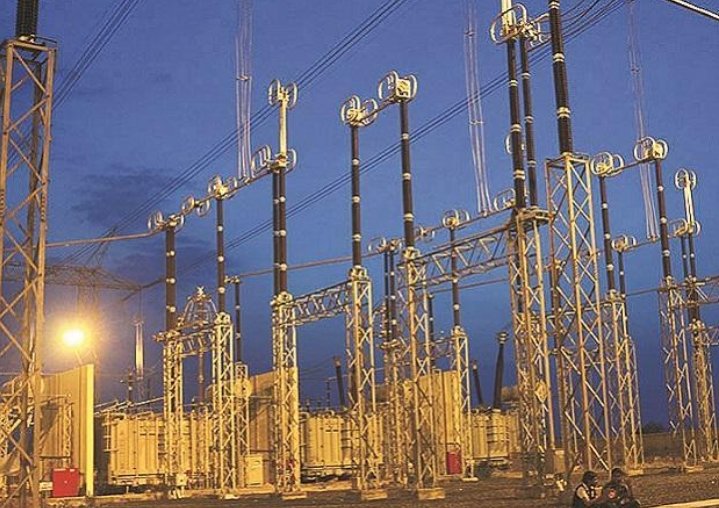
Transmission infrastructure also benefits from intelligent monitoring. High voltage transmission lines, substations, transformers, and switching equipment operate continuously under varying environmental conditions. Smart sensors installed across these assets provide real time information regarding temperature, vibration, voltage, equipment loading, and structural performance. Predictive analytics identifies maintenance requirements before equipment failures interrupt electricity supply.
Renewable energy integration has introduced additional complexity into power system management. Solar and wind generation fluctuate according to weather conditions, requiring continuous balancing across the electricity network. Digital governance platforms combine weather forecasting, energy storage information, demand projections, and generation data to maintain grid stability while increasing renewable energy utilisation.
Distribution companies face significant operational challenges including technical losses, equipment failures, and infrastructure overload. Digital monitoring systems improve visibility throughout distribution networks by identifying overloaded transformers, voltage fluctuations, feeder performance, and equipment deterioration. Maintenance activities can then be prioritised using operational data rather than fixed schedules.
Industrial consumers increasingly require reliable electricity for advanced manufacturing, semiconductor production, data centres, pharmaceuticals, chemicals, and other critical industries. Digital governance improves supply reliability by providing better coordination between generation, transmission, and distribution infrastructure while reducing the likelihood of prolonged outages.
Energy storage systems will become increasingly important as renewable electricity expands. Battery storage facilities, pumped hydro projects, and future storage technologies require intelligent coordination with generation and transmission assets. Unified digital governance enables these systems to operate efficiently while improving overall grid flexibility.
Cybersecurity must remain a national priority. Modern electricity infrastructure depends heavily on digital communication networks, industrial control systems, and automated operational technologies. Strong cybersecurity frameworks, encrypted communications, continuous monitoring, and resilient network architecture are essential to protect critical energy infrastructure from evolving cyber threats.
Geographic information systems can strengthen infrastructure planning by combining electricity demand, industrial development, renewable energy resources, land availability, and transmission capacity into integrated planning tools. This allows governments and utilities to prioritise investments based on long term operational requirements.
Digital governance also improves regulatory oversight. Performance indicators covering reliability, transmission losses, renewable energy integration, equipment utilisation, and infrastructure availability can be monitored continuously. Regulators gain objective operational information while utilities benefit from more transparent performance evaluation.
Research institutions and engineering organisations can contribute by developing advanced analytics, grid optimisation technologies, digital simulation platforms, and cybersecurity solutions tailored for India’s electricity sector. Collaboration between industry, academia, and government will accelerate innovation while strengthening domestic technological capability.
India has invested heavily in expanding electricity generation and transmission capacity over the past two decades. The next stage of development should focus on making this infrastructure more intelligent, resilient, and efficient through integrated digital governance.
The future electricity system will depend not only on generating more power but also on governing the entire network with real time information, predictive analytics, and intelligent decision making. By adopting digital governance across generation, transmission, distribution, and renewable energy infrastructure, India can strengthen energy security, improve operational efficiency, and build a modern power system capable of supporting sustained economic growth.