India is one of the fastest growing aviation markets in the world. Rising incomes, expanding regional connectivity, growing tourism, increasing cargo movement, and rapid airport development are transforming the country’s aviation landscape. While new airports and aircraft attract the most attention, the next phase of growth will depend on building a fully connected digital aviation ecosystem.
Modern aviation is driven as much by information as by aircraft. Every flight generates enormous amounts of operational data involving passengers, airlines, airports, maintenance teams, air traffic controllers, cargo operators, customs authorities, weather agencies, security services, and logistics providers. Integrating this information into a unified digital infrastructure can improve efficiency, safety, and competitiveness across the sector.
India has invested significantly in physical aviation infrastructure over the past decade. New terminals, expanded runways, regional airports, and cargo facilities are strengthening national connectivity. However, physical infrastructure alone is not sufficient. The aviation ecosystem must also be supported by intelligent digital systems capable of connecting every stakeholder in real time.
Airports operate as highly complex ecosystems where thousands of activities occur simultaneously. Aircraft movements, baggage handling, passenger processing, cargo operations, fuel management, maintenance scheduling, security screening, and ground transportation all depend on accurate information. Digital integration enables these operations to function more smoothly while reducing delays.
Artificial intelligence is becoming an essential tool for airport management. AI systems can forecast passenger volumes, optimise check in operations, allocate boarding gates, predict baggage handling requirements, and improve runway scheduling. These capabilities help airports manage increasing passenger traffic without requiring proportional increases in physical infrastructure.
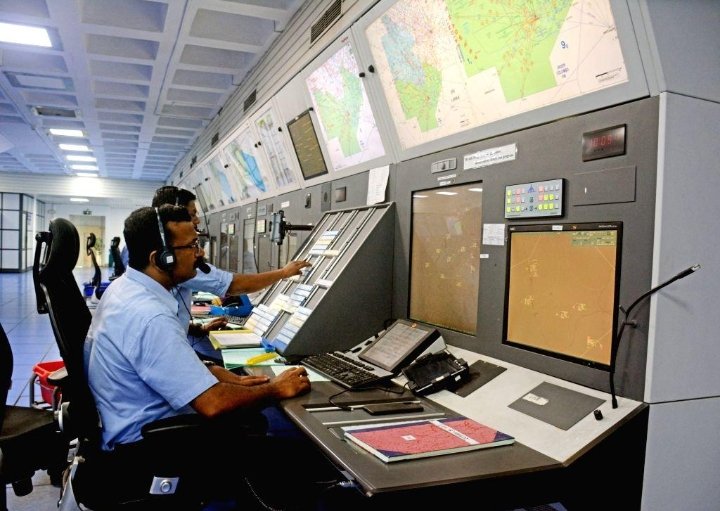
Air traffic management also benefits from digital transformation. Advanced data analytics, satellite navigation, weather forecasting systems, and automated communication platforms improve flight planning while reducing congestion in busy airspace. Better coordination between airports and air traffic control allows airlines to minimise delays, reduce fuel consumption, and improve schedule reliability.
India’s air cargo sector presents another significant opportunity. High value products such as pharmaceuticals, electronics, engineering components, textiles, seafood, and perishable foods increasingly depend on fast and reliable air transportation. Digital cargo platforms can connect exporters, freight forwarders, airlines, customs authorities, warehouses, and logistics providers through a single information network.
Real time cargo visibility strengthens supply chain reliability. Exporters can monitor shipments continuously while customers receive accurate delivery information. Integrated digital documentation also reduces paperwork and accelerates customs clearance, allowing goods to move more efficiently across international borders.
Aircraft maintenance is another area undergoing rapid digital transformation. Modern aircraft generate continuous performance data through onboard sensors. Maintenance teams analyse this information to predict component failures before they occur, allowing repairs to be scheduled during planned maintenance rather than after unexpected breakdowns. Predictive maintenance improves aircraft availability while reducing operating costs.
India has the potential to become a regional hub for Maintenance, Repair and Overhaul services. Building advanced digital infrastructure for maintenance operations would strengthen this ambition by improving engineering efficiency, inventory management, regulatory compliance, and international customer confidence.
Passenger experience can also improve through digital integration. Mobile applications, biometric identity verification, digital boarding systems, real time flight information, automated baggage tracking, and integrated ground transportation services create smoother journeys while reducing waiting times throughout the airport.
Security remains one of aviation’s highest priorities. Digital technologies strengthen airport security through intelligent surveillance systems, automated threat detection, biometric access controls, and advanced cybersecurity measures. As aviation becomes increasingly connected, protecting digital infrastructure becomes just as important as protecting physical infrastructure.
Weather continues to influence aviation operations worldwide. Advanced digital weather platforms combining satellite information, radar systems, artificial intelligence, and predictive analytics allow airlines and airports to prepare for disruptions more effectively. Better forecasting supports safer operations while minimising unnecessary flight cancellations.
Government agencies responsible for civil aviation, customs, immigration, security, and airport regulation also benefit from shared digital platforms. Coordinated information exchange improves operational efficiency while maintaining regulatory oversight. A unified digital governance framework reduces duplication and strengthens decision making across multiple agencies.
India’s growing startup ecosystem can contribute innovative aviation technologies including drone management systems, airport analytics, predictive maintenance software, logistics platforms, passenger service applications, and artificial intelligence solutions. Collaboration between technology companies, airports, airlines, and research institutions can accelerate digital innovation throughout the aviation sector.
Universities and technical institutes should also prepare the future workforce for digitally connected aviation. Aviation professionals increasingly require expertise in artificial intelligence, cybersecurity, aviation analytics, cloud computing, industrial automation, and digital systems alongside traditional aviation engineering and management skills.
Sustainability has become another strategic priority. Digital technologies optimise aircraft routing, airport energy management, ground vehicle operations, and terminal resource utilisation. These improvements reduce fuel consumption and emissions while lowering operational costs for airlines and airport operators.
India’s aviation ambitions extend far beyond transporting passengers. Aviation supports tourism, trade, manufacturing, pharmaceuticals, defence, emergency services, and regional economic development. A digitally connected aviation ecosystem strengthens every one of these sectors by improving speed, reliability, and operational intelligence.
The future of Indian aviation will be shaped not only by larger airports or more aircraft but also by the digital infrastructure connecting them. By integrating airports, airlines, cargo operators, regulators, maintenance providers, logistics companies, and technology platforms into one intelligent ecosystem, India can position itself as one of the world’s leading aviation economies while supporting broader national growth in trade, tourism, and industrial development.