India is one of the world’s largest producers of agricultural commodities, growing everything from rice and wheat to fruits, vegetables, spices, dairy products, seafood, and meat. Yet despite this enormous production capacity, a significant share of agricultural output never reaches consumers in its best condition. Poor storage, fragmented supply chains, limited traceability, and inadequate digital integration continue to reduce value across the food processing sector.
The future of India’s food economy depends not only on increasing agricultural production but also on building a modern digital infrastructure that connects farms, food processing units, cold storage facilities, logistics providers, retailers, exporters, laboratories, financial institutions, and regulators. A digitally connected ecosystem can reduce waste, improve food safety, strengthen exports, and increase farmer incomes.
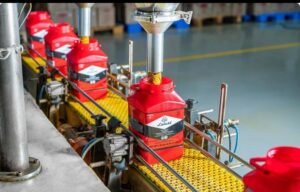
Food processing is no longer simply about converting raw agricultural products into packaged goods. Modern food manufacturing is increasingly driven by data. Information regarding crop quality, harvesting conditions, transportation, storage temperatures, production schedules, packaging standards, inventory levels, and customer demand can all be captured digitally and used to improve operational efficiency.
One of India’s biggest challenges is post harvest loss. Fruits, vegetables, dairy products, seafood, and meat require careful handling throughout the supply chain. Temperature fluctuations, transportation delays, and poor storage conditions often result in significant losses before products reach consumers. Digital monitoring systems equipped with sensors can continuously measure temperature, humidity, and storage conditions, allowing operators to respond immediately when problems arise.
Cold chain infrastructure becomes far more effective when combined with digital technologies. Refrigerated warehouses, transport vehicles, and distribution centres can share real time information through cloud based platforms. Food processors gain complete visibility over inventory movement, reducing spoilage while improving delivery schedules.
Traceability is becoming increasingly important in global food markets. International buyers want to know where products were grown, how they were processed, and whether safety standards were maintained throughout the supply chain. Digital traceability systems allow every batch of food to be tracked from the farm to the final customer. This strengthens consumer confidence while helping exporters satisfy international regulatory requirements.
Artificial intelligence offers additional opportunities for the food processing industry. Machine learning systems can forecast market demand, optimise production schedules, reduce inventory waste, and identify quality issues before products leave the factory. AI can also analyse weather patterns, crop production estimates, and consumer purchasing trends to improve business planning.
Food quality testing laboratories also benefit from digital integration. Laboratory results, inspection reports, certification records, and regulatory compliance documents can be securely shared across authorised stakeholders. This reduces paperwork while accelerating product approvals for domestic and international markets.
Small food processors represent a significant portion of India’s food industry. Many operate with limited access to advanced technology and digital infrastructure. Cloud based software platforms, affordable digital inventory systems, and government supported digital services can help these businesses improve efficiency without requiring major investments in information technology.
The banking sector also has an important role to play. Digital financial platforms integrated with food supply chains can simplify payments, improve working capital management, and support financing for farmers, processors, transport companies, and exporters. Financial institutions can also use supply chain data to assess business performance more accurately when extending credit.
Food exports are becoming increasingly competitive. Buyers in Europe, North America, the Middle East, and Asia expect high standards of food safety, digital documentation, and supply chain transparency. Countries capable of providing reliable digital records alongside quality products enjoy stronger market access and greater customer confidence. India’s food processing industry must prepare for these expectations.
Government agencies responsible for food safety, agriculture, exports, and standards can also benefit from digital infrastructure. Integrated platforms allow regulators to monitor production trends, food safety incidents, certification status, and export performance through real time dashboards. This improves policy implementation while reducing administrative delays.
Digital governance can simplify regulatory compliance for food businesses. Instead of submitting similar information to multiple authorities, companies could use unified digital systems where verified records are securely shared with relevant agencies. This reduces compliance costs while maintaining regulatory oversight.
Cybersecurity should not be overlooked. Food processing companies increasingly depend on connected production equipment, enterprise software, laboratory systems, and cloud platforms. Protecting these systems from cyber threats is essential for maintaining operational continuity and safeguarding commercially sensitive information.
Workforce development is equally important. Food technologists, production managers, logistics professionals, quality specialists, and supply chain managers will require digital skills alongside traditional food science expertise. Universities and technical institutes should integrate artificial intelligence, industrial automation, supply chain analytics, and digital quality management into food technology education.
India’s startup ecosystem is already developing innovative solutions for agriculture, logistics, food traceability, warehouse management, and digital marketplaces. Stronger collaboration between startups, food manufacturers, research institutions, and government agencies can accelerate the adoption of digital technologies throughout the industry.
The development of digital infrastructure also supports sustainability. Smart monitoring systems optimise water consumption, reduce energy usage, minimise waste generation, and improve packaging efficiency. Data driven operations help companies achieve environmental goals while lowering production costs.
India’s ambition to become a global food processing powerhouse cannot rely solely on abundant agricultural production. Future competitiveness will depend on the country’s ability to connect every stage of the food value chain through secure, intelligent, and scalable digital infrastructure.
By investing in connected cold chains, artificial intelligence, digital traceability, integrated logistics, modern laboratories, and secure data platforms, India can reduce food losses, improve food safety, strengthen export competitiveness, and create greater value for farmers, manufacturers, consumers, and international markets. The next chapter of India’s food economy will be written as much through digital networks as through agricultural fields.