Global trade is entering a period in which digital technologies could fundamentally change how countries identify demand, negotiate contracts, move goods, and manage commercial risks. Traditional trade depends heavily on intermediaries, fragmented information, complex documentation, and established relationships. While these systems have supported international commerce for decades, they can also create delays, increase transaction costs, and prevent smaller businesses from accessing global markets.
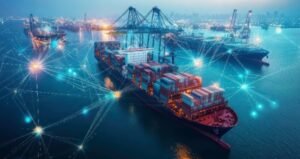
Trade 4.0 offers a different approach. By combining artificial intelligence, digital platforms, real-time logistics data, automated documentation, and predictive analytics, countries could develop trading systems that respond more quickly to changing economic conditions.
One emerging opportunity is the creation of intelligent trade-matching platforms. Conventional exporters often depend on agents, trade fairs, industry networks, and commercial databases to identify potential buyers. An AI-powered system could analyse international purchasing patterns, product specifications, shipping costs, tariffs, and supplier capabilities to identify commercially viable matches between buyers and sellers.
For example, a small Indian manufacturer producing specialized engineering components could identify prospective buyers in Germany, Japan, or the United Arab Emirates without maintaining an extensive overseas sales network. The platform could help estimate landed costs, identify applicable trade requirements, and prepare preliminary commercial proposals. Human verification would remain essential before contracts are finalized.
A second opportunity lies in predictive trade intelligence. Governments and businesses frequently make decisions using historical trade statistics that may not capture emerging changes quickly enough. Intelligent systems could combine shipping information, commodity prices, industrial production indicators, weather conditions, and purchasing trends to identify potential supply shortages or emerging export opportunities.
Such systems could help Indian businesses recognize demand for specialized products before competing suppliers fully respond. They could also help policymakers assess vulnerabilities in essential imports, including industrial machinery, electronic components, energy resources, and critical raw materials.
Digital documentation represents another important area for reform. International shipments frequently require invoices, certificates of origin, customs declarations, inspection documents, and transport records. Inconsistent information across these documents can cause delays and additional costs. Standardized digital records, interoperable platforms, and automated validation could reduce repetitive administrative work.
However, digitization alone will not eliminate customs inspections, regulatory requirements, or disputes over commercial documentation. Systems must operate within national laws and internationally recognized trade rules.
India could also experiment with digital export infrastructure designed specifically for small businesses. Many micro, small, and medium enterprises possess manufacturing capabilities but lack the resources required to manage foreign-market research, compliance, logistics, and customer acquisition. A shared platform could offer verified buyer discovery, export-readiness assessments, logistics comparisons, documentation support, and access to trade-finance providers.
Instead of expecting every small manufacturer to build an international commercial department, the system could make essential export services available on demand.
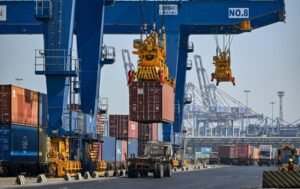
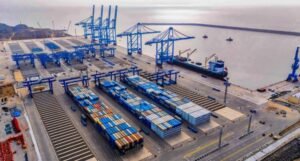
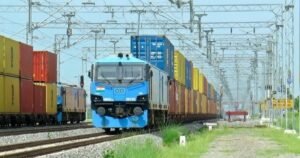
Another frontier is the development of dynamic trade corridors. Ports, warehouses, customs authorities, shipping companies, and inland transport operators could exchange operational data to coordinate cargo movement. Predictive systems could identify congestion, recommend alternative routes, and improve the utilization of existing infrastructure. Better coordination could reduce delays and improve the reliability of delivery schedules.
Artificial intelligence could further support trade negotiations by modelling the effects of alternative tariffs, quotas, rules of origin, and market-access arrangements. Governments could compare potential outcomes across industries and regions before adopting particular negotiating positions. Such models would not replace diplomacy or political judgment, but they could improve the quality of evidence available to negotiators.
There are important risks. Automated systems can generate inaccurate market assessments, amplify biased data, expose confidential commercial information, or facilitate fraudulent transactions. Cross-border data restrictions, inconsistent regulations, and unequal digital capabilities could also prevent smaller economies from benefiting equally. Independent verification, cybersecurity, transparent procedures, and human oversight would therefore be necessary.
India’s strategic opportunity is to move beyond treating trade digitization as a collection of separate administrative reforms. It could build interoperable infrastructure connecting exporters, importers, logistics providers, financial institutions, testing laboratories, and public agencies. Such infrastructure should encourage competition rather than lock businesses into a single commercial platform.
The ultimate objective of Trade 4.0 is not simply to make existing transactions faster. It is to make international markets more accessible, reduce avoidable transaction costs, and help businesses discover opportunities that conventional commercial networks might overlook.
For India, a more intelligent trading ecosystem could enable smaller manufacturers to participate in global supply chains, improve export diversification, and strengthen the country’s position in specialized industrial markets. The future of trade will depend not only on tariff agreements and transport infrastructure, but also on how effectively countries organize information, trust, and commercial coordination.