India’s agricultural and processed food exports are entering a more diversified phase as Indian producers look beyond traditional markets. Rice, spices, marine products, fruits, vegetables, processed foods and other agricultural products are reaching consumers across Asia, the Middle East, Europe and Africa.
The country has a major advantage in food production because of its diverse climate and agricultural base. Different regions produce rice, wheat, spices, tea, coffee, fruits, vegetables, seafood and a wide range of processed foods.
The challenge is converting this production advantage into greater export value.
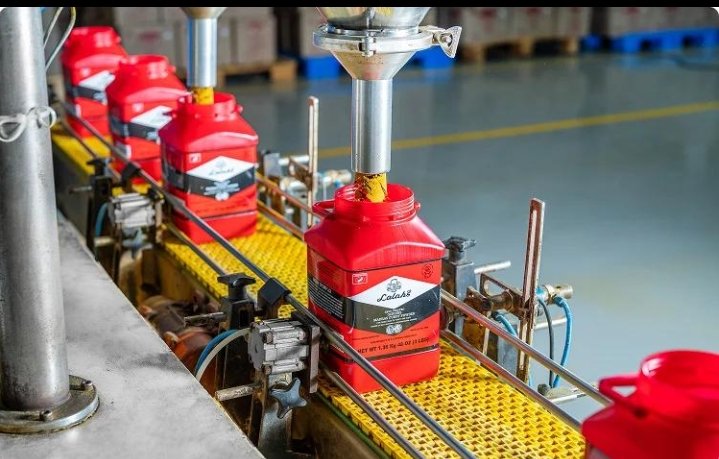
For many years, agricultural exports were dominated by commodities sold with relatively limited processing. A kilogram of raw agricultural produce can have considerably less export value than a packaged, branded and processed product made from the same raw material.
This creates an opportunity for Indian food companies.
Spice producers, for example, can move beyond bulk exports toward cleaned, processed, blended and packaged products. Fruit producers can develop juices, concentrates, dried products and frozen foods. Fisheries companies can move toward higher-value processed seafood rather than relying only on raw or minimally processed products.
Government agencies such as the Agricultural and Processed Food Products Export Development Authority support exporters in areas including market development, infrastructure and quality improvement.
Food safety is becoming increasingly important as Indian companies enter demanding international markets. Exporters have to meet requirements covering pesticide residues, microbiological standards, packaging, labelling and traceability.
This means that export competitiveness increasingly begins at the farm.
Farmers, processors, testing laboratories, logistics companies and exporters need to operate as part of a connected supply chain. Cold storage and refrigerated transportation are particularly important for products with short shelf lives.
India’s growing cold-chain infrastructure could therefore have a direct effect on exports of fruits, vegetables, dairy products and seafood.
Another opportunity lies in India’s large diaspora.
Indian food products already have established demand among Indian communities overseas. That provides companies with an initial customer base from which they can gradually expand toward the wider population.
Indian food brands are increasingly capable of making that transition. Products such as ready-to-eat meals, spice blends, snacks and packaged traditional foods can appeal to consumers who may have no Indian heritage but are interested in international cuisine.
The Gulf remains an important market because of its geographical proximity, large expatriate population and demand for imported food. Africa and Southeast Asia also provide opportunities for selected products.
However, Indian exporters need to understand that different markets have different preferences.
A product designed for Indian consumers may need changes in salt, sugar, packaging size, ingredients or preparation instructions before it can succeed overseas.
India has enormous agricultural production, but production alone does not guarantee export success. The greater opportunity lies in creating products that combine Indian agricultural strengths with international quality, packaging and distribution standards.
If more Indian businesses make this transition, agriculture can become not only a source of commodities but also a source of higher-value manufactured exports.