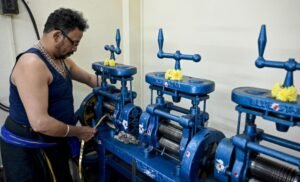

India has been a global center for gemstones and jewelry for centuries. From handcrafted gold ornaments to precision cut diamonds, the country has built a reputation for skilled craftsmanship, competitive manufacturing, and large scale exports. Today, Indian jewelry reaches customers across the United States, Europe, the Middle East, Southeast Asia, and many other international markets. Despite this strong position, exporters face increasing challenges related to traceability, authentication, logistics, compliance, and changing consumer expectations. A national digital trade platform can help the jewelry industry strengthen its global competitiveness while increasing transparency throughout the export ecosystem.
International buyers increasingly expect complete information about every product they purchase. Consumers want assurance regarding the origin of precious metals, ethical sourcing of gemstones, manufacturing standards, environmental practices, and product authenticity. Traditional paper documentation is often fragmented and difficult to verify. A digital trade platform can provide trusted records that accompany every jewelry item from production to final delivery.
Each jewelry product can receive a secure digital identity. Information relating to raw material sourcing, gemstone certification, manufacturing processes, quality inspections, hallmarking, export documentation, and shipping history can be stored within a unified digital ecosystem. Exporters, customs authorities, logistics providers, banks, insurers, certification agencies, and overseas buyers would access verified information according to their authorized roles.
Product authentication becomes significantly stronger through digital systems. Counterfeit products remain a concern in international luxury markets. Digital certificates linked to unique product identifiers enable buyers to confirm authenticity instantly. Such transparency builds consumer confidence while protecting the reputation of Indian manufacturers.
Quality certification also benefits from digital integration. Jewelry exports often require multiple inspections and certifications covering gemstone grading, precious metal purity, hallmark verification, and international quality standards. Instead of maintaining separate records across different agencies, accredited laboratories and certification bodies can upload verified certificates directly to the national platform. Overseas buyers receive immediate access to trusted compliance information before shipments are finalized.
Efficient logistics are particularly important because jewelry shipments involve high value goods requiring specialized transportation and security. Export consignments move through manufacturers, secure warehouses, customs facilities, airports, insurance providers, and international logistics companies. Digital coordination improves shipment visibility while reducing administrative delays and documentation errors.
Artificial intelligence can enhance export planning by analyzing global demand patterns. Consumer preferences, seasonal purchasing cycles, fashion trends, commodity prices, exchange rates, and international retail activity generate valuable market intelligence. AI systems can recommend export destinations, identify emerging luxury markets, and forecast demand for different product categories, allowing manufacturers to respond more effectively to changing market conditions.
Small and medium sized jewelry manufacturers also gain significant advantages. Many family owned businesses possess exceptional craftsmanship but limited international marketing capabilities. A government supported digital marketplace would allow verified exporters to showcase certified products directly to global buyers. Standardized product information, secure payment systems, integrated logistics, and digital certification reduce barriers to international trade.
Financial services become more efficient through digital integration. Jewelry exporters frequently require export finance, insurance coverage, working capital, foreign exchange services, and secure payment processing. Banks connected to the digital platform can verify export documentation electronically, accelerating loan approvals while reducing paperwork. Improved financial efficiency strengthens cash flow throughout the industry.
Sustainability and ethical sourcing are becoming increasingly important in global jewelry markets. Buyers now expect greater transparency regarding recycled metals, responsible mining practices, environmental protection, and social compliance. Digital reporting systems allow manufacturers to demonstrate responsible business practices using standardized and verifiable information. Exporters that meet these expectations gain stronger access to premium international markets.
Customs modernization further strengthens competitiveness. Digital documentation enables exporters to submit shipping information once while allowing multiple government agencies to access authorized records securely. Automated verification reduces processing time, minimizes documentation errors, and accelerates international shipments.
Cybersecurity remains essential because the jewelry trade involves valuable commercial information, financial transactions, and sensitive customer data. Strong encryption, secure digital identities, continuous monitoring, and resilient digital infrastructure protect manufacturers, buyers, financial institutions, and government agencies from cyber threats.
India’s jewelry industry combines centuries of craftsmanship with modern manufacturing capabilities. However, future export success will depend increasingly on digital trust as much as production quality. International buyers seek suppliers who provide transparency, efficiency, compliance, and reliable information throughout the trading process.
A national digital trade platform for jewelry exports would strengthen India’s position in global luxury markets by connecting manufacturers, certification agencies, customs authorities, logistics providers, financial institutions, insurers, and overseas buyers through a unified digital ecosystem. By combining traditional craftsmanship with advanced digital infrastructure, India can modernize one of its oldest export industries while creating new opportunities for sustainable growth in global trade.