India is one of the world’s largest consumers of gold, yet a significant portion of the country’s demand is met through imports. Every year, households, jewellers, banks, refiners, and businesses also generate thousands of tonnes of recyclable gold through old jewellery, industrial waste, electronic components, manufacturing scrap, and damaged ornaments. Despite its enormous value, much of this recycled gold moves through fragmented supply chains with limited digital visibility. Industry 4.0 offers an opportunity to build a Gold Recycling Traceability Network that digitally tracks recycled gold from collection to its final use.
A traceability network creates a secure digital identity for every batch of recycled gold entering the formal recycling ecosystem. Whether the gold originates from an old necklace, a broken bangle, industrial scrap, or electronic waste, it receives a digital record that follows it throughout the refining and manufacturing process.
Collection centres are the first point of entry. Jewellers, authorized recyclers, banks, and collection agencies register incoming gold using digital applications. Information such as weight, purity, collection location, transaction date, and ownership verification is securely recorded. This creates a transparent starting point for the recycling journey.
Artificial intelligence immediately begins analyzing the information. Machine learning compares purity measurements, transaction values, historical patterns, and regional recycling trends. If unusual activities or inconsistencies appear, the system generates alerts for additional verification. This helps reduce fraud while improving confidence in recycled gold.
India’s hallmarking infrastructure can be integrated into the network. Before recycling begins, certified laboratories perform purity testing using advanced analytical equipment. The results are uploaded directly to the digital platform, ensuring that refiners and manufacturers receive verified quality information before processing.
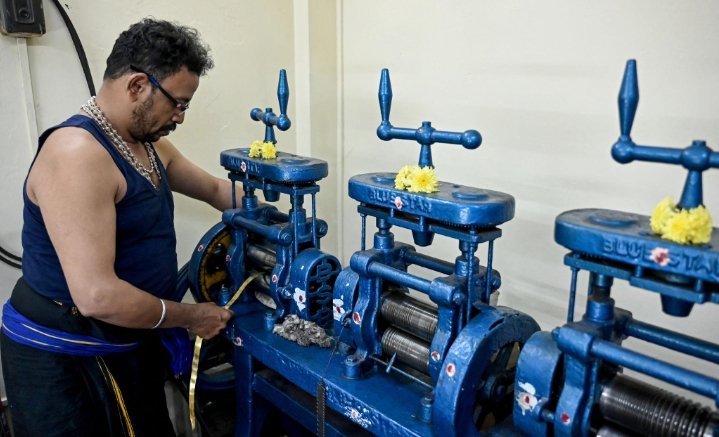
Refineries become central participants within the ecosystem. As recycled gold is melted, purified, and converted into bullion, every processing stage is digitally recorded. Information regarding refining methods, purity improvements, laboratory certifications, and production batches becomes part of the permanent digital history.
Blockchain technology strengthens transparency by creating tamper resistant records. Once recycling information is verified, it cannot be modified without creating a visible audit trail. Jewellery manufacturers, banks, regulators, and buyers gain confidence that recycled gold has passed through legitimate and compliant processing channels.
Internet of Things devices improve operational monitoring. Smart weighing systems, digital furnaces, laboratory instruments, and automated inventory systems continuously transmit information to cloud platforms. Managers monitor refining operations in real time while artificial intelligence evaluates production efficiency and material recovery rates.
India’s jewellery manufacturers benefit significantly from this infrastructure. Companies purchasing recycled bullion can verify its complete processing history, purity certifications, laboratory reports, and refining standards. This improves quality assurance while strengthening confidence throughout the supply chain.
Consumers also benefit from increased transparency. Jewellery retailers may provide customers with digital certificates demonstrating that recycled gold originated from verified sources and was processed through certified facilities. Environmentally conscious buyers increasingly value responsible sourcing and circular economy practices.
Government agencies gain improved visibility into the formal recycling sector. Digital transaction records simplify taxation, compliance monitoring, environmental reporting, and industry statistics. Better information supports policy development while encouraging greater participation in organized recycling.
Artificial intelligence also generates valuable business intelligence. By analyzing recycling volumes, seasonal demand, regional collection patterns, and refining capacity, AI forecasts future supply availability. Refineries and jewellery manufacturers can optimize production planning while reducing inventory costs.
Banks involved in gold loans and bullion trading can integrate directly with the network. Gold recovered from collateral sales or investment products can enter verified recycling channels with complete digital documentation. This strengthens financial transparency while reducing operational risks.
Environmental sustainability represents another major advantage. Recycling gold requires significantly less energy than extracting new gold from mines. Digital traceability allows companies to demonstrate reduced environmental impact while supporting national sustainability objectives. Manufacturers may use verified recycled gold as part of their environmental reporting and international marketing.
India’s electronics recycling industry also becomes an important contributor. Gold recovered from discarded computers, mobile phones, communication equipment, and industrial electronics enters the same traceability network. This supports resource efficiency while reducing dependence on imported raw materials.
Cybersecurity remains essential because the platform manages valuable commercial information involving precious metals, financial transactions, and customer records. Secure cloud infrastructure, encrypted communications, multi factor authentication, and continuous monitoring protect the integrity of the ecosystem.
Technology companies gain opportunities to develop specialized software, blockchain platforms, laboratory information systems, AI analytics, IoT devices, and cybersecurity solutions specifically designed for India’s gold industry. These innovations can eventually be exported to other countries with significant jewellery and recycling sectors.
As India continues to modernize its gold economy, digital infrastructure will become increasingly important for improving transparency, sustainability, and operational efficiency. A Gold Recycling Traceability Network demonstrates how Industry 4.0 technologies can connect collection centres, refineries, laboratories, manufacturers, banks, and regulators into a unified digital ecosystem. By combining artificial intelligence, blockchain, IoT, cloud computing, and secure digital records, India can create one of the world’s most advanced recycled gold supply chains while strengthening trust, supporting environmental sustainability, and reducing dependence on imported precious metals.