The global mining industry is entering a new phase where environmental performance is becoming as important as production capacity and product quality. Steel manufacturers, automobile companies, electronics producers, renewable energy firms, and infrastructure developers are increasingly measuring the carbon footprint of the raw materials they purchase. Governments are also introducing regulations that encourage lower emissions throughout industrial supply chains. This shift has created an opportunity for India to develop carbon footprint trading platforms dedicated to mineral exports.
A carbon footprint trading platform is a digital marketplace where minerals are classified not only by grade and price but also by the amount of greenhouse gas emissions generated during extraction, processing, transportation, and export. Buyers can compare different suppliers based on verified environmental performance and choose products that align with their sustainability goals.
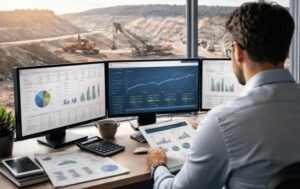
The platform begins by collecting emissions data from mining operations. Sensors installed across mines monitor diesel consumption, electricity usage, blasting activities, transportation fuel, water pumping, and mineral processing equipment. These measurements are transmitted continuously to cloud based systems where artificial intelligence calculates the carbon emissions associated with each tonne of mineral produced.
Artificial intelligence plays an important role because emissions vary across different operations. Factors such as mining depth, machinery efficiency, electricity sources, transportation distance, and production methods influence the total carbon footprint. AI continuously analyzes these variables and generates accurate carbon scores for individual shipments.
Every batch of exported minerals receives a digital environmental profile. Along with information about mineral quality and quantity, buyers receive verified carbon intensity figures. This allows manufacturers to compare suppliers and select minerals that contribute to lower emissions across their own production processes.
International demand for environmentally responsible raw materials continues to increase. Automobile manufacturers producing electric vehicles seek lower carbon steel and aluminum. Construction companies are developing green buildings with sustainable materials. Electronics manufacturers are improving supply chain transparency. Renewable energy companies want responsible sourcing throughout their manufacturing processes. A carbon footprint trading platform helps Indian exporters participate in these rapidly growing markets.
Blockchain technology strengthens trust within the platform. Carbon data, laboratory reports, sustainability certifications, renewable energy usage, and transportation records are permanently stored in secure digital ledgers. Because records cannot be altered easily, buyers gain confidence that reported emissions accurately represent actual operations.
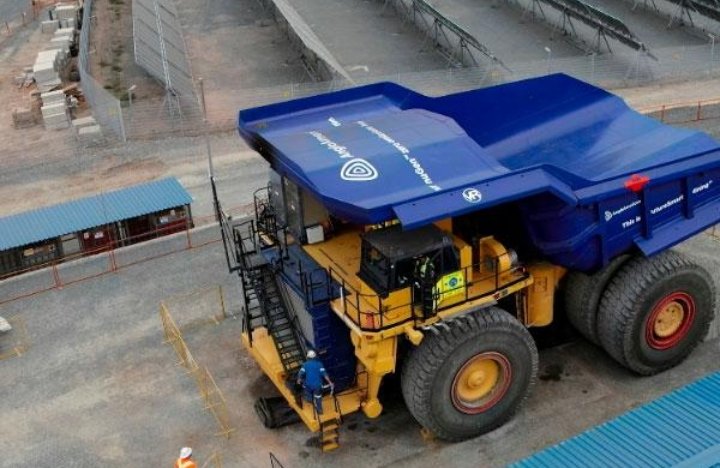
The platform also rewards innovation. Mining companies investing in electric mining vehicles, renewable energy systems, energy efficient equipment, water recycling, or carbon capture technologies receive improved environmental ratings. Better sustainability scores can help exporters access premium international markets where buyers are willing to pay higher prices for responsibly produced minerals.
Small mining companies can also participate. Instead of competing only on production volume, smaller producers adopting environmentally responsible practices gain visibility within the marketplace. Digital certification allows them to demonstrate sustainability achievements without relying solely on traditional marketing methods.
Government agencies benefit through improved environmental monitoring. Continuous digital reporting provides regulators with accurate emissions information across mining regions. This supports climate policy development, environmental planning, and resource management while reducing dependence on manual reporting systems.
Banks and financial institutions may integrate green financing into the platform. Companies demonstrating lower emissions could receive preferential financing, sustainability linked loans, or reduced insurance premiums. Financial incentives encourage continuous environmental improvement throughout the mining sector.
Artificial intelligence also helps identify opportunities for emissions reduction. By analyzing operational data across multiple mines, AI recommends equipment upgrades, optimized transportation routes, renewable energy integration, and production improvements that reduce carbon intensity while lowering operating costs.
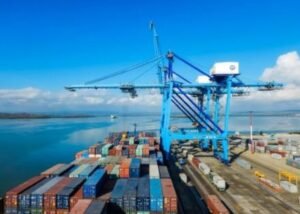
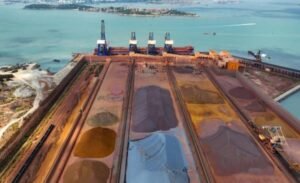
Transportation contributes significantly to mining emissions. Smart logistics systems integrated into the platform evaluate rail, road, and shipping alternatives to identify the most environmentally efficient routes. Exporters can reduce emissions while improving logistics performance.
International carbon regulations are expected to become increasingly important over the coming decade. Several major economies are introducing carbon related import requirements that may affect mineral trade. Early adoption of digital carbon tracking positions Indian exporters to comply with future international standards while maintaining access to global markets.
Technology companies will play an important role in building this ecosystem. Sensor manufacturers, software developers, artificial intelligence specialists, environmental consulting firms, cloud computing providers, and cybersecurity companies all contribute to creating reliable carbon monitoring systems.
Educational institutions also have opportunities to develop expertise in environmental data science, industrial sustainability, carbon accounting, and digital monitoring technologies. Skilled professionals will become increasingly important as mining companies adopt advanced environmental management systems.
The platform generates valuable market intelligence beyond emissions reporting. Anonymous data reveals sustainability trends, buyer preferences, regional performance differences, and technology adoption rates across the mining industry. Policymakers and industry leaders can use these insights to guide investment and strategic planning.
India possesses abundant mineral resources that will remain essential for infrastructure, renewable energy, advanced manufacturing, and economic development. However, future competitiveness will increasingly depend on demonstrating responsible production practices alongside reliable supply and competitive pricing.
Carbon footprint trading platforms represent an innovative application of Industry 4.0 that combines artificial intelligence, blockchain, cloud computing, environmental monitoring, and digital marketplaces into a single ecosystem. Rather than treating sustainability as a regulatory obligation, these platforms transform environmental performance into a commercial advantage. By helping buyers identify responsibly produced minerals and rewarding mining companies that reduce emissions, India can strengthen its position in global markets while supporting the transition toward cleaner and more sustainable industrial development.