India is among the world’s leading producers of steel, aluminium, cast iron, and engineered metal components. These materials form the backbone of industries such as automobiles, railways, aerospace, defence, infrastructure, construction, renewable energy, and heavy engineering. As manufacturing becomes increasingly digital, autonomous smart foundries have emerged as one of the most promising Industry 4.0 developments capable of transforming metallurgy through artificial intelligence, robotics, digital twins, and intelligent automation.
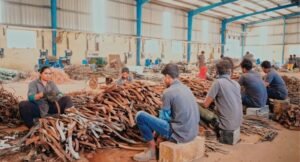
Traditional foundries depend heavily on manual supervision throughout melting, mould preparation, pouring, cooling, machining, inspection, and material handling. Although these methods have served the industry for decades, they are often associated with inconsistent quality, higher energy consumption, workplace hazards, and production inefficiencies. Autonomous smart foundries address these challenges by creating highly connected manufacturing environments where digital systems continuously optimize operations.
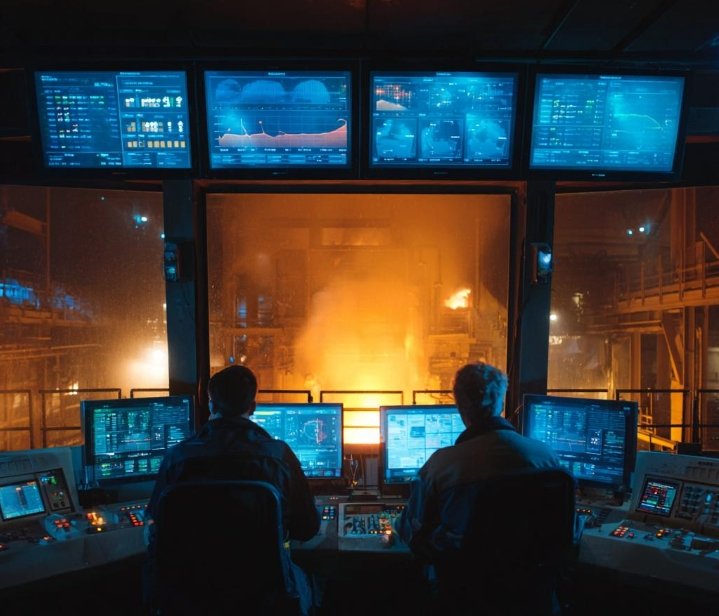
Industrial sensors form the foundation of the smart foundry. Thousands of sensors installed across furnaces, moulding machines, conveyors, robotic arms, cooling systems, cranes, compressors, and machining equipment collect real-time operational data. Temperature, vibration, pressure, energy consumption, molten metal chemistry, humidity, and equipment health are monitored continuously.
Artificial intelligence analyses these data streams to maintain ideal production conditions. Furnace temperatures can be adjusted automatically to ensure consistent metal quality. AI can recommend precise alloy compositions, optimize melting times, and control pouring sequences based on the characteristics of each production batch.
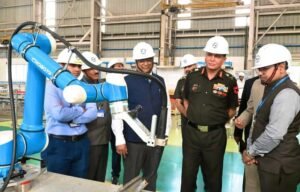
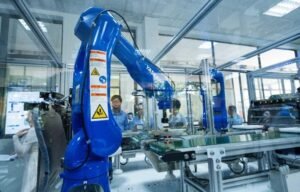
Robotic automation significantly improves workplace safety. Handling molten metal is one of the most hazardous operations in metallurgy. Autonomous robots equipped with heat-resistant systems can transport ladles, perform metal pouring, operate moulding equipment, and move heavy castings with high precision while reducing worker exposure to extreme temperatures.
Machine vision technology strengthens quality control throughout production. High-resolution industrial cameras inspect castings immediately after production. Artificial intelligence identifies cracks, surface defects, dimensional inaccuracies, porosity, shrinkage cavities, and inclusions that may not be visible during manual inspections. Defective components are automatically separated before entering later production stages.
Digital twin technology creates a virtual replica of the foundry that updates continuously using live sensor information. Engineers can simulate changes in production schedules, furnace settings, alloy compositions, cooling rates, and equipment layouts before implementing them physically. Virtual testing reduces operational risks while accelerating process improvements.
Predictive maintenance helps maximize equipment availability. Blast furnaces, induction furnaces, rolling mills, hydraulic presses, cranes, compressors, and machining centres gradually exhibit signs of wear. AI studies vibration patterns, thermal behaviour, lubrication conditions, and electrical performance to predict failures well before breakdowns occur. Maintenance can therefore be scheduled during planned shutdowns rather than emergency stoppages.
Energy management is especially important because metallurgy is highly energy intensive. Smart foundries continuously analyse electricity, natural gas, compressed air, cooling water, and fuel consumption across every production unit. Artificial intelligence identifies opportunities to improve furnace efficiency, recover waste heat, optimize production scheduling, and reduce overall energy costs.
Raw material management also becomes more intelligent. Digital inventory systems track scrap metal, ferroalloys, fluxes, refractories, and finished products throughout the production cycle. AI forecasts material requirements based on customer demand, production capacity, and supply chain conditions, reducing unnecessary inventory while preventing shortages.
Environmental sustainability improves through continuous emissions monitoring. Sensors measure particulate matter, carbon dioxide, sulphur compounds, nitrogen oxides, and wastewater quality. Digital systems automatically optimize pollution control equipment while generating regulatory reports with minimal manual intervention.
Supply chains become more transparent through digital integration. Automotive manufacturers, machinery companies, railways, and infrastructure developers can monitor production progress, quality status, shipment schedules, and inventory levels in real time. This improves coordination while reducing delivery delays.
Research teams benefit from detailed manufacturing data collected across thousands of production cycles. Engineers can evaluate new alloys, optimize casting methods, improve mould designs, and develop stronger, lighter, and more durable metal products using real operational information.
Cybersecurity plays a critical role in autonomous foundries because industrial control systems increasingly depend on digital communication networks. Secure industrial architectures, encrypted communication, continuous threat monitoring, and strong access controls protect critical production systems against cyber threats.
India possesses a strong foundation in metallurgy, engineering, software development, robotics, and artificial intelligence. By combining these capabilities, autonomous smart foundries can position the country at the forefront of Industry 4.0 manufacturing. The transformation would deliver safer workplaces, higher-quality metal products, improved productivity, lower energy consumption, greater export competitiveness, and a more resilient metallurgical industry capable of supporting India’s long-term industrial growth.