Free Trade Agreements have become one of the most important tools of economic diplomacy in the modern world. Countries increasingly use these agreements to improve market access, reduce tariffs, encourage investments, strengthen supply chains, and create long-term economic partnerships. For India, Free Trade Agreements can play a significant role in accelerating exports, attracting industries, generating employment, and supporting long-term economic growth.
India is one of the world’s fastest-growing major economies and has a large domestic market. However, relying only on domestic demand limits the country’s economic potential. International markets offer enormous opportunities for Indian businesses to expand production, reach new consumers, and compete globally. Free Trade Agreements help remove many of the barriers that prevent businesses from entering foreign markets.
A Free Trade Agreement generally reduces or eliminates customs duties on selected goods traded between participating countries. It may also simplify customs procedures, improve investment protection, promote cooperation in services, strengthen intellectual property frameworks, and establish rules for digital trade and e-commerce. These measures make international business easier and more predictable.
Indian exporters benefit directly when tariffs are reduced. Products such as textiles, pharmaceuticals, engineering goods, automobiles, agricultural products, chemicals, jewellery, leather goods, and processed foods become more competitive in overseas markets. Lower import duties allow Indian companies to offer better prices while maintaining profitability.
The services sector is equally important. India is a global leader in information technology, financial services, engineering consulting, healthcare, education, architecture, and business process management. Modern trade agreements increasingly include provisions that improve cross-border trade in services, opening new opportunities for Indian professionals and companies.
Foreign investment often increases after trade agreements are signed. Global manufacturers prefer countries that provide access to multiple international markets through trade partnerships. Companies establishing manufacturing facilities in India may use the country as an export base to serve several regions. This creates employment, strengthens industrial capabilities, and transfers technology to domestic industries.
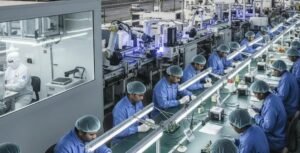
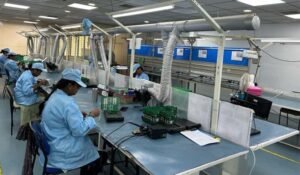
Manufacturing receives another major boost through integrated supply chains. Modern products are rarely manufactured entirely in one country. Components may cross several borders before becoming finished products. Trade agreements simplify these movements, allowing Indian manufacturers to become part of regional and global production networks.
Agriculture can also benefit significantly. India produces large quantities of rice, tea, coffee, spices, fruits, vegetables, seafood, dairy products, and processed foods. Better market access through trade agreements enables farmers and food processing companies to reach premium international markets. Higher exports can increase rural incomes while encouraging investments in food processing and cold storage infrastructure.
Small and medium enterprises stand to gain if they receive adequate support. Many smaller businesses produce high-quality products but struggle to enter foreign markets because of complex regulations and limited information. Government export promotion agencies can help these firms understand trade agreement provisions, quality standards, and documentation requirements.
Trade agreements encourage competition within domestic markets. While increased competition may challenge some industries, it also encourages innovation, better quality, improved productivity, and greater efficiency. Businesses that adapt successfully often become more competitive not only internationally but also within India.
Infrastructure becomes increasingly important as trade expands. Ports, airports, highways, freight rail corridors, logistics parks, customs facilities, and warehousing systems must operate efficiently to support growing export volumes. Investments in logistics reduce transportation costs and improve delivery reliability, making Indian products more attractive to international buyers.
Trade agreements also promote technology transfer. Foreign companies investing in India often introduce advanced manufacturing processes, automation systems, research capabilities, and management practices. Indian firms working alongside these companies gain valuable experience that strengthens the broader industrial ecosystem.
Digital trade represents a rapidly growing area of international commerce. Software services, cloud computing, artificial intelligence, cybersecurity, digital education, online consulting, and financial technology increasingly depend on international regulatory cooperation. Future trade agreements are expected to include stronger provisions supporting digital commerce, benefiting India’s expanding technology sector.
Environmental sustainability is becoming part of many international trade discussions. Buyers increasingly seek products manufactured using responsible environmental practices. Indian industries that invest in renewable energy, efficient manufacturing, recycling, and sustainable supply chains may gain competitive advantages in environmentally conscious markets.
Despite these benefits, Free Trade Agreements require careful negotiation. Some domestic industries may face increased competition from imported products. Policymakers must balance consumer benefits with the need to protect sectors that require additional time to improve competitiveness. Transitional support, skill development, and modernization programs can help vulnerable industries adapt successfully.
Rules of origin are another important component of trade agreements. These rules determine whether products qualify for preferential tariff treatment. Effective implementation prevents misuse of trade agreements while ensuring genuine manufacturers receive intended benefits.
Trade agreements should also align with India’s long-term industrial strategy. Sectors such as electronics, semiconductors, renewable energy equipment, pharmaceuticals, defence manufacturing, aerospace, biotechnology, advanced chemicals, and precision engineering deserve particular attention because they contribute to technological advancement and national competitiveness.
State governments also have important roles to play. Different states possess unique industrial strengths and export opportunities. Gujarat, Maharashtra, Tamil Nadu, Karnataka, Uttar Pradesh, Kerala, Punjab, and other states can develop specialized export strategies based on their comparative advantages while leveraging opportunities created by international trade agreements.
Education and workforce development complement trade expansion. Export-oriented industries require engineers, technicians, logistics professionals, quality specialists, language experts, international marketing professionals, and supply chain managers. Universities and vocational institutions should adapt their programs to meet these evolving workforce requirements.
Economic diplomacy has become increasingly important in today’s interconnected world. Trade agreements strengthen political relationships while creating long-term economic partnerships. Stable commercial relationships often contribute to broader cooperation in investment, technology, education, infrastructure, and innovation.
India’s ambition of becoming a developed economy depends partly on expanding its role in international trade. Carefully negotiated Free Trade Agreements can accelerate exports, strengthen manufacturing, attract investment, improve productivity, and generate millions of employment opportunities. Success will depend not only on signing agreements but also on ensuring Indian industries possess the infrastructure, technology, skills, and competitiveness needed to fully utilize the opportunities they create.
As global trade continues evolving, India has an opportunity to position itself as a trusted manufacturing hub, technology partner, and service provider for economies around the world. Strategic Free Trade Agreements, combined with domestic reforms and industrial development, can become powerful drivers of sustainable economic growth over the coming decades.