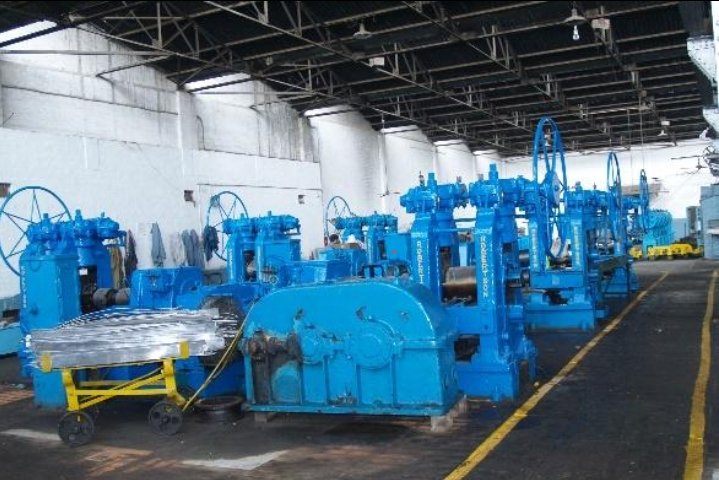
India’s manufacturing ambitions are usually associated with building new factories and producing new machines. But there is another industrial opportunity hiding in plain sight: the enormous global market for used and ageing machinery.
Factories around the world replace equipment for many reasons. A machine may be technologically outdated but mechanically sound. A company may close a factory and sell its equipment. A production line may be upgraded even though many of its components still have years of useful life.
For developing economies, buying completely new machinery is often expensive.
This creates an opportunity for India.
India could build a major industry around acquiring used industrial machinery, refurbishing it, upgrading its technology and exporting it to markets where affordable production equipment is in demand.
The concept is different from simply exporting second-hand machines. Refurbishment would turn used equipment into a professionally certified industrial product.
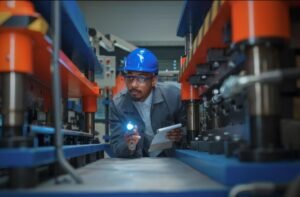
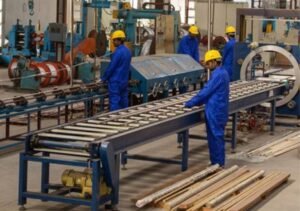
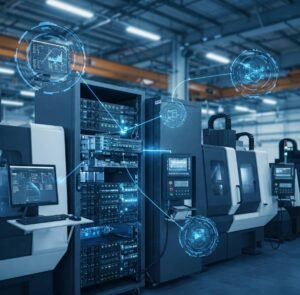
A machine arriving in India could be dismantled and inspected. Worn components could be replaced. Motors, bearings, gears, electrical systems and control systems could be upgraded. The machine could then be tested and certified before being exported.
Such an industry would combine manufacturing, engineering, logistics and international trade.
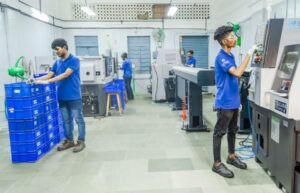
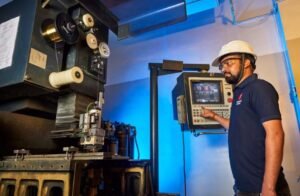
India already possesses many of the capabilities required for this transformation. The country has machine shops, engineering companies, electricians, automation specialists, fabricators and technicians capable of rebuilding complex equipment.
What is missing is a large-scale organised ecosystem connecting these capabilities.
Imagine a global marketplace where a company in Africa, West Asia or Southeast Asia could search for refurbished Indian machinery according to capacity, age, application, energy consumption and price.
The buyer would not simply purchase a used machine.
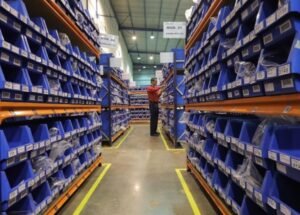
They would purchase a refurbished machine with an inspection report, warranty, replacement parts and technical support.
That distinction could dramatically increase trust.
The opportunity is particularly interesting in emerging markets. Small manufacturers in developing countries may need equipment for food processing, packaging, textiles, fabrication, construction materials or agricultural processing but may not have the capital to purchase the newest machines from Europe, Japan or North America.
A properly refurbished machine could provide an economically viable alternative.
India could become the intermediary between expensive developed-market machinery and cost-sensitive developing-market manufacturers.
There is also an environmental argument.
Manufacturing a new industrial machine requires raw materials, energy and transportation. Extending the productive life of an existing machine can reduce the need for new manufacturing while keeping useful industrial assets in operation.
The circular economy therefore becomes an export opportunity.
India could even develop specialised refurbishment clusters.
One industrial region could specialise in textile machinery. Another could focus on food-processing equipment. Another could concentrate on construction machinery or metalworking equipment.
Clusters would create specialised technical knowledge and make inspection, repair and certification more efficient.
The logistics challenge would also need to be addressed. Industrial machinery is often large, heavy and difficult to transport. India could develop dedicated logistics services for dismantling, packing, shipping, installation and commissioning.
After-sales service could become another source of revenue.
An Indian company that exports a refurbished machine should ideally remain connected to the customer. Replacement parts, maintenance contracts, remote diagnostics and future upgrades could create recurring international revenue.
This is particularly important because machinery is not a one-time transaction.
Every machine creates a future requirement for technical support.
The model could also benefit India’s small and medium-sized engineering companies. Many of them possess excellent technical capabilities but lack the scale required to manufacture complete industrial systems.
Refurbishment allows them to participate in a larger international value chain.
A small engineering company could rebuild gearboxes. Another could upgrade electrical controls. Another could provide precision machining. Another could handle installation.
Together, they could transform an old machine into an exportable industrial asset.
The biggest opportunity may ultimately be in Africa and other rapidly industrialising regions.
These markets need affordable productive capacity. The question is not always whether the newest machine can be purchased. The more practical question is whether reliable machinery can be obtained at a price that allows a small factory to become profitable.
India could answer that question.
Instead of viewing used machinery as waste or obsolete capital, India could treat it as raw material for a new export industry.
The country has already demonstrated that it can combine engineering skill with relatively competitive costs.
The next opportunity may be to apply those capabilities to machines that the developed world no longer wants but the developing world still needs.
India does not have to manufacture every machine from scratch.
It could become exceptionally good at giving old machines a productive second life.
That could turn industrial refurbishment into an unexpected pillar of India’s global trade strategy.