Road networks are the backbone of economic activity in monsoon climate regions. They connect farms to markets, factories to ports, businesses to customers, and communities to schools and hospitals. During the monsoon season, however, heavy rainfall accelerates pavement deterioration through water infiltration, pothole formation, erosion, weakened foundations, and drainage failures. Roads that appear structurally sound before the rainy season can rapidly become unsafe after a few weeks of continuous rainfall. Conventional maintenance relies on scheduled inspections and public complaints, which often detect problems only after significant damage has already occurred. Industry 4.0 introduces intelligent technologies that enable continuous road monitoring, predictive maintenance, and faster infrastructure management.
Industry 4.0 combines artificial intelligence, the Internet of Things, cloud computing, digital twins, robotics, drones, edge computing, satellite observation, and predictive analytics into connected infrastructure systems. These technologies allow road authorities to monitor pavement health continuously instead of relying solely on periodic inspections.
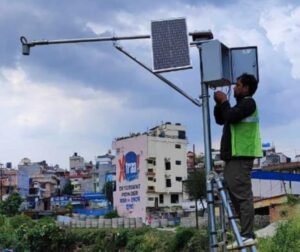
The foundation of a smart pavement monitoring system is a network of IoT sensors embedded within road infrastructure. Moisture sensors detect water penetration beneath the pavement surface. Temperature sensors monitor thermal expansion and contraction, while strain sensors measure stress generated by heavy traffic. Vibration sensors identify changes in pavement behaviour caused by cracks or weakened foundations. Rainfall sensors and nearby weather stations provide environmental information that supports deterioration analysis.
All sensor data is transmitted continuously to cloud platforms where artificial intelligence evaluates pavement conditions in real time. Machine learning algorithms compare current measurements with historical maintenance records, rainfall intensity, traffic volume, soil characteristics, and previous pavement failures. The system predicts where potholes, surface cracking, rutting, or structural failures are most likely to occur.
Digital twin technology creates a virtual model of entire road networks. Engineers simulate different rainfall intensities, traffic loads, drainage performance, and maintenance strategies to understand how pavement conditions will evolve over time. This enables road agencies to prioritise maintenance investments based on predicted deterioration rather than waiting for visible failures.
Computer vision has become one of the most valuable Industry 4.0 tools for pavement monitoring. Cameras installed on maintenance vehicles, buses, or dedicated inspection vehicles continuously capture high resolution images of road surfaces. Artificial intelligence automatically identifies potholes, cracks, uneven surfaces, faded lane markings, standing water, and shoulder erosion. Thousands of kilometres of roads can be inspected efficiently without interrupting traffic.
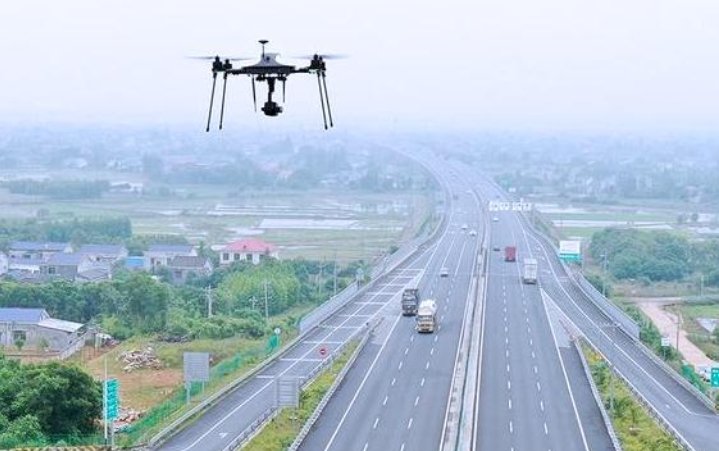
Drone technology complements ground inspections by surveying highways, bridges, culverts, mountain roads, and flood affected regions immediately after heavy rainfall. Artificial intelligence analyses aerial images to detect washouts, blocked drainage channels, landslides, shoulder collapse, and flood damage. Emergency repair teams receive accurate information within hours instead of waiting for manual surveys.
Satellite observation strengthens long term infrastructure planning. Satellite imagery identifies gradual ground movement, changing land use, flood prone areas, and drainage patterns affecting road performance. Combined with sensor networks, satellite information helps engineers design more resilient road infrastructure for future climate conditions.
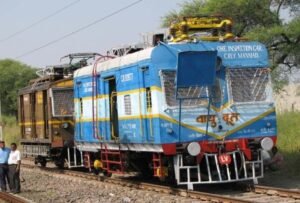
Autonomous inspection robots may also become increasingly valuable. Small robotic vehicles equipped with laser scanners, cameras, ultrasonic sensors, and ground penetrating radar inspect pavement conditions without exposing workers to busy traffic. Internal pavement defects hidden beneath the surface can be detected before visible damage develops.
Cloud computing enables transportation departments, municipal authorities, weather agencies, emergency responders, contractors, and utility companies to access the same operational information through unified digital platforms. Better coordination improves maintenance scheduling and emergency response during severe weather.
Edge computing improves operational reliability by allowing roadside monitoring stations to continue processing sensor information even if communication with cloud servers is interrupted during storms. Critical alerts continue reaching maintenance teams despite temporary communication failures.
Predictive maintenance transforms road management from reactive repair to preventive asset management. Artificial intelligence estimates the remaining service life of pavement sections based on traffic loading, rainfall exposure, environmental conditions, and structural performance. Maintenance budgets are directed toward roads most likely to fail, reducing long term repair costs.
India has one of the largest road networks in the world, carrying enormous volumes of passenger and freight traffic. Monsoon rainfall creates recurring challenges including potholes, pavement failures, flooding, and road closures. Smart pavement monitoring systems would improve road safety while reducing maintenance costs and travel disruptions.
Freight transportation would particularly benefit from more reliable highways. Manufacturing industries, agriculture, logistics providers, ports, and ecommerce companies depend on efficient road infrastructure throughout the year. Reducing monsoon related disruptions strengthens national supply chains and supports economic growth.
Environmental sustainability is another important benefit. Early maintenance extends pavement life, reducing the need for complete road reconstruction and lowering consumption of construction materials. Improved drainage management also reduces soil erosion and prevents standing water from damaging surrounding ecosystems.
Implementation requires investment in sensors, communication infrastructure, cloud platforms, artificial intelligence software, inspection equipment, and skilled technical personnel. Reliable historical data is essential for training predictive models, while cybersecurity becomes increasingly important as transportation infrastructure becomes digitally connected.
Industry 4.0 is transforming pavement management from periodic inspection into continuous infrastructure intelligence. By combining artificial intelligence, IoT sensors, computer vision, drones, digital twins, cloud computing, robotics, and predictive analytics, road agencies gain the ability to identify deterioration before major failures occur. As climate variability increases and transportation networks become more important to economic development, smart road pavement monitoring will become an essential component of resilient infrastructure across monsoon climate regions.