India is one of the world’s fastest-growing consumers of electronic devices, resulting in a rapidly increasing volume of electronic waste. Mobile phones, computers, televisions, batteries, networking equipment and consumer electronics contain valuable metals, plastics and rare materials that can be recovered and reused. Industry 4.0 provides an opportunity to transform India’s electronic waste recycling industry into an intelligent, high-value manufacturing sector that supports the circular economy while reducing dependence on imported raw materials.
Electronic waste recycling involves collection, sorting, dismantling, shredding, separation, metal recovery, plastic recycling and material purification. Every stage requires accurate identification of components to maximize recovery rates while ensuring environmentally responsible processing.
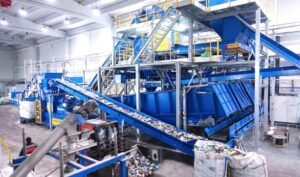
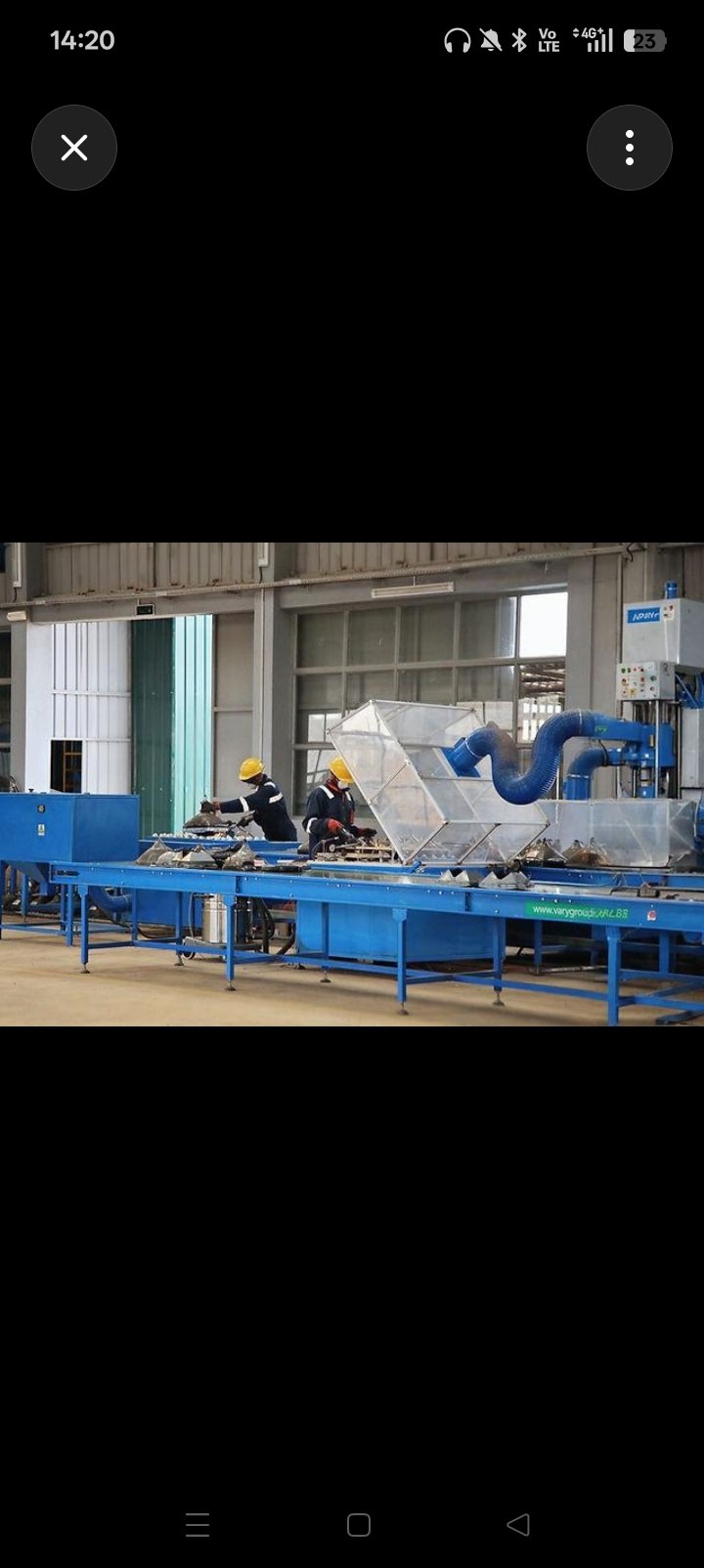
Industry 4.0 enables recycling facilities to continuously monitor operations through connected sensors installed across conveyor systems, shredders, separators, furnaces, robotic sorting stations and material recovery units. Plant operators receive real-time operational data that improves productivity and reduces material losses.
Artificial intelligence significantly enhances waste sorting. Machine vision systems equipped with AI can identify different electronic products, printed circuit boards, batteries, cables and plastic components based on shape, colour, labels and material characteristics. Automated sorting improves recovery rates while reducing manual labour.
Digital twins create virtual models of recycling facilities. Engineers can simulate plant layouts, optimize material flow and evaluate equipment upgrades before making physical changes. This improves operational efficiency while minimizing production disruptions.
Predictive maintenance improves reliability across shredders, crushers, magnetic separators, conveyors and metal recovery systems. Connected sensors monitor vibration, temperature, motor performance and wear patterns to identify maintenance needs before equipment failures occur.
Automated quality monitoring strengthens recovered material quality. Intelligent analytical systems continuously measure metal purity, plastic composition and contamination levels, enabling manufacturers to produce recycled materials suitable for high-value industrial applications.
India’s electronics manufacturing industry can benefit significantly from domestically recovered copper, aluminium, gold, silver and specialty metals. Smart recycling systems improve the consistency and traceability of recycled materials, increasing confidence among manufacturers.
Battery recycling is becoming an increasingly important segment as electric vehicle adoption accelerates. Industry 4.0 enables intelligent identification, sorting and processing of lithium-ion batteries while improving worker safety and maximizing recovery of lithium, cobalt, nickel and graphite.
Supply chain integration connects waste collection agencies, recycling plants, manufacturers and material buyers through digital platforms. Real-time information improves collection efficiency, inventory management and logistics while reducing transportation costs.
Blockchain technology can strengthen traceability throughout the recycling chain. Every electronic product and recovered material can be digitally recorded, helping manufacturers verify recycled content while supporting regulatory compliance and responsible sourcing.
Energy optimization improves the efficiency of shredding, separation, smelting and refining operations. Intelligent energy management systems continuously analyse electricity consumption and recommend process adjustments that reduce operating costs and carbon emissions.
Environmental monitoring is particularly important in electronic waste recycling because hazardous substances must be managed carefully. Connected sensors continuously monitor air quality, wastewater treatment, dust emissions and chemical handling activities, ensuring regulatory compliance and environmental protection.
Worker safety benefits from intelligent monitoring of hazardous materials, battery storage, chemical processing areas and automated machinery. Immediate alerts allow operators to respond rapidly whenever unsafe conditions arise.
Research and development also become more effective through Industry 4.0. Artificial intelligence analyses recycling data to identify opportunities for improving metal recovery rates, reducing processing costs and developing new recycling technologies for emerging electronic products.
Indian startups can develop AI-powered sorting systems, robotic dismantling equipment and digital recycling platforms specifically designed for India’s electronic waste ecosystem. Such innovations can strengthen domestic manufacturing while creating export opportunities.
Engineering institutions should integrate recycling engineering, robotics, artificial intelligence, materials recovery and industrial automation into engineering education. Developing skilled professionals in advanced recycling technologies will support India’s transition to a circular economy.
Government initiatives promoting circular manufacturing, critical mineral recovery, extended producer responsibility and industrial digitalization can accelerate Industry 4.0 adoption across the electronic waste recycling sector. Collaboration among manufacturers, recyclers, technology companies and research institutions can strengthen domestic recycling capabilities.
Global demand for recycled critical minerals continues to increase as semiconductor manufacturing, electric vehicles, renewable energy and consumer electronics expand. Countries are increasingly viewing electronic waste as an urban mine containing valuable strategic resources.
Industry 4.0 transforms electronic waste recycling from a labour-intensive disposal activity into an intelligent manufacturing industry capable of producing high-quality secondary raw materials. By integrating artificial intelligence, robotics, predictive maintenance, digital twins and real-time analytics, India’s electronic waste recycling industry can strengthen resource security, reduce environmental impact and position the country as a global leader in circular manufacturing.