India is among the world’s leading producers and exporters of seafood. Indian fish and shrimp reach markets across Asia, Europe, the Middle East and North America. As international food safety standards become increasingly stringent, buyers are demanding greater transparency regarding where seafood originates, how it was handled and whether it meets sustainability requirements. Traditional paper-based documentation often struggles to provide this level of confidence. Industry 4.0 technologies, particularly blockchain, offer a practical solution that can modernize seafood traceability while strengthening India’s fisheries sector.
Blockchain is a digital ledger in which information is recorded securely and cannot be altered without authorization. Every participant in the supply chain contributes verified information that becomes part of a permanent record. Instead of relying on disconnected documents maintained by different organizations, the fisheries ecosystem can operate using a shared and trusted digital platform.
The traceability process begins when fish are harvested or landed. Information such as the location of the catch, date, fishing vessel, species, weight and storage conditions can be recorded digitally. Each batch receives a unique identification code that follows the seafood throughout the supply chain.
As seafood moves from fishermen to collection centres, processing plants, cold storage facilities, transport companies and exporters, every transaction is added to the blockchain. Temperature records, quality inspections, packaging details and transportation history become permanently linked to the product. Since each entry is verified and time stamped, unauthorized modification becomes extremely difficult.
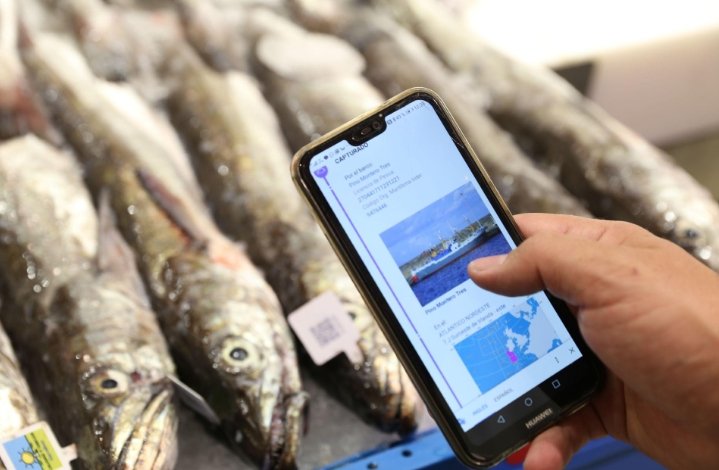
Consumers and international buyers can access selected information simply by scanning a QR code printed on the package. They can verify where the seafood originated, how it was processed and whether it complied with quality and safety standards. This level of transparency builds trust in Indian seafood products.
Artificial intelligence can further enhance blockchain systems by analysing historical records for unusual patterns. If seafood from a particular supplier consistently experiences temperature deviations or quality issues, AI can automatically identify the trend and alert quality managers. This enables corrective action before problems affect larger portions of the supply chain.
Blockchain also helps reduce fraud. Seafood substitution, false origin claims and duplicate documentation are common concerns in international seafood markets. A secure digital record makes it much more difficult to replace one species with another or falsely claim premium origins. Honest producers benefit because buyers gain greater confidence in authentic products.
Government fisheries departments can also benefit from blockchain adoption. Regulators often spend considerable time verifying export documentation and investigating compliance issues. A digital ledger provides quick access to verified records, reducing paperwork and improving regulatory efficiency. Inspection agencies can focus more on quality assurance rather than document verification.
Small fishermen stand to gain significantly from transparent traceability systems. Many international buyers hesitate to purchase directly from small producers because they lack reliable documentation. Blockchain enables even small fishing cooperatives to demonstrate compliance with export requirements, allowing them to participate in premium markets that were previously difficult to access.
Financial institutions can also use blockchain records to improve lending decisions. Verified production histories and consistent supply records provide evidence of business performance. Banks may become more willing to offer loans to fishermen and seafood processors when reliable operational data is available.
Insurance companies can similarly benefit. Claims involving spoiled cargo or transportation delays often require extensive investigation. Blockchain provides an accurate timeline of product movement and storage conditions, allowing claims to be processed more efficiently while reducing disputes.
Integration with IoT sensors further strengthens the system. Temperature sensors, GPS trackers and cold storage monitoring equipment can automatically upload verified information to the blockchain without requiring manual data entry. This reduces human error while ensuring continuous monitoring throughout transportation and storage.
Export competitiveness is another important advantage. Countries around the world increasingly require detailed documentation regarding sustainability, food safety and responsible fishing practices. Blockchain helps Indian exporters meet these expectations while differentiating their products in highly competitive international markets.
The technology can also support environmental sustainability. Records can include information about fishing methods, protected species compliance and legal fishing zones. Authorities can identify illegal fishing activities more effectively while encouraging responsible resource management.
Successful implementation requires collaboration among fishermen, processors, exporters, logistics companies, government agencies and technology providers. Standardized data formats, affordable digital tools and training programmes will ensure that even small enterprises can participate in blockchain-enabled supply chains.
Digital literacy will be essential. Mobile applications should be simple enough for fishermen to record information without requiring advanced technical knowledge. Interfaces available in regional languages can improve adoption across coastal communities.
India’s fisheries sector has tremendous growth potential, but future success will increasingly depend on transparency, trust and data-driven operations. Blockchain provides a practical Industry 4.0 solution that strengthens every stage of the seafood supply chain while reducing fraud, improving compliance and increasing market confidence.
As global consumers continue to demand safe, sustainable and traceable seafood, blockchain technology can position India as a trusted supplier in international markets. By combining secure digital records, artificial intelligence, IoT integration and transparent governance, the fisheries industry can create a modern ecosystem that benefits fishermen, exporters, regulators and consumers alike.