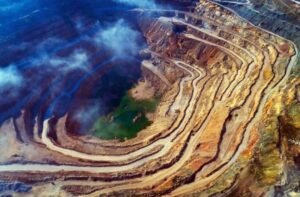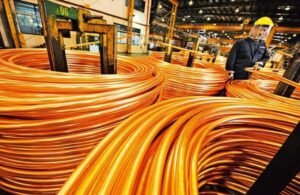
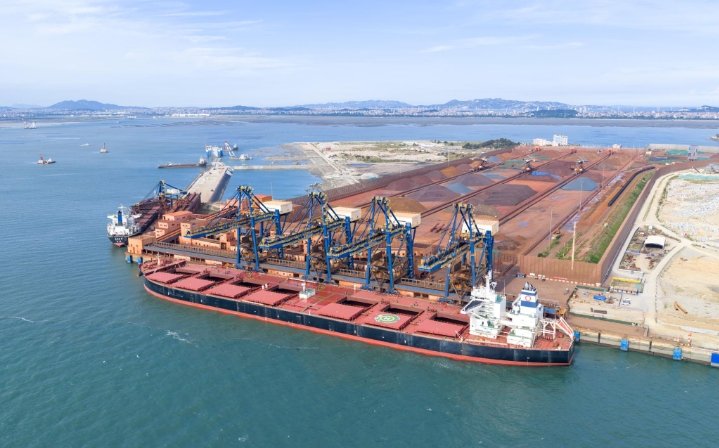
India is one of the world’s largest producers of minerals such as iron ore, bauxite, limestone, manganese, chromite, granite, and several industrial minerals. While production capacity has continued to expand, many mining companies still rely on conventional trading methods to identify international buyers. Business relationships are often built through exhibitions, brokers, trading houses, and long established commercial networks. Although these methods remain valuable, digital technologies are opening entirely new possibilities for connecting Indian mining companies with buyers across the world.
An AI powered global buyer discovery platform represents one of the most promising Industry 4.0 innovations for mineral trade. Instead of waiting for buyers to approach suppliers or relying solely on intermediaries, artificial intelligence can continuously analyze international markets and identify businesses that are most likely to purchase specific minerals from India.
The platform works by collecting large volumes of publicly available trade information, shipping records, customs statistics, industrial production data, import trends, company profiles, and commodity demand patterns. Machine learning algorithms process this information to identify purchasing behavior across thousands of companies operating in sectors such as steel manufacturing, cement production, construction materials, chemicals, batteries, ceramics, glass manufacturing, and renewable energy.
Once the system understands the characteristics of a mining company and its products, it can automatically recommend highly relevant buyers in different countries. For example, a producer of high grade iron ore in Odisha may receive recommendations for steel manufacturers in Japan, South Korea, Vietnam, or the Middle East based on their production capacity, historical import volumes, quality requirements, and purchasing cycles.
Artificial intelligence continuously learns from successful transactions. If buyers from a particular country consistently purchase certain grades of manganese during specific months, the system incorporates these patterns into future recommendations. Over time, buyer matching becomes increasingly accurate, reducing the time and cost associated with international business development.
The platform can also evaluate market attractiveness. Instead of recommending countries solely based on import volumes, it considers shipping costs, import duties, political stability, trade agreements, currency fluctuations, port infrastructure, environmental regulations, and competitive pricing. This provides exporters with a comprehensive understanding of where they are most likely to achieve profitable sales.
India’s expanding portfolio of critical minerals makes such intelligence especially valuable. Global demand for lithium, graphite, rare earth elements, nickel, and cobalt continues to increase as countries invest heavily in electric vehicles, battery manufacturing, renewable energy systems, and advanced electronics. These industries require reliable suppliers capable of meeting strict quality standards. AI driven buyer discovery can help Indian producers identify emerging opportunities before competitors recognize them.
The technology also benefits small and medium sized mining companies. Large corporations typically maintain international marketing teams and global business networks. Smaller producers often lack the financial resources needed to establish overseas offices or participate in multiple international trade exhibitions. An intelligent digital platform provides these companies with access to global opportunities that were previously available only to larger organizations.
Language barriers can also be reduced. AI powered translation tools enable mining companies to communicate effectively with buyers across different countries. Product specifications, technical documents, compliance certificates, and commercial proposals can be translated into multiple languages while maintaining technical accuracy. This improves communication and reduces misunderstandings during negotiations.
Trust plays an important role in international mineral trade. The platform can integrate verification systems that assess the credibility of both buyers and sellers. Company registration records, financial indicators, certification status, export history, sustainability reports, and compliance records can contribute to trust scores that help businesses evaluate potential trading partners before entering commercial agreements.
Environmental and sustainability considerations have become increasingly important in global markets. Many international buyers now require detailed information regarding carbon emissions, responsible mining practices, labor standards, and environmental management. AI systems can automatically match suppliers with buyers whose sustainability requirements align with the producer’s certifications and operational practices.
Shipping logistics represent another area where artificial intelligence creates value. After identifying suitable buyers, the platform can estimate transportation costs using real time freight rates, vessel availability, port congestion, rail connectivity, and inland transportation networks. Buyers receive more accurate pricing while exporters gain greater confidence in contract profitability.
Government agencies responsible for export promotion may also benefit from aggregated trade intelligence. Anonymous market data can reveal emerging demand trends, identify countries with growing import requirements, and highlight sectors where Indian minerals possess competitive advantages. Such insights can support trade negotiations, export incentives, infrastructure planning, and diplomatic engagement.
Financial institutions may integrate their services into the platform as well. Export financing, trade insurance, letters of credit, foreign exchange management, and payment guarantees can be offered directly through verified financial partners. This reduces administrative complexity and accelerates international transactions.
Cybersecurity remains an important consideration because commercial negotiations involve confidential pricing information, production data, and customer relationships. Strong encryption, secure authentication, access controls, and continuous monitoring are essential to protect valuable business information from unauthorized access.
The implementation of such platforms will also encourage the growth of supporting industries within India. Software developers, artificial intelligence specialists, logistics technology companies, export consultants, digital marketing agencies, legal advisors, and financial service providers all contribute to a more sophisticated mining export ecosystem.
As India seeks to increase its share of global mineral trade, success will depend not only on the quality of its natural resources but also on the intelligence of its commercial systems. AI powered buyer discovery transforms mineral exports from a reactive process into a proactive strategy driven by data, analytics, and continuous market monitoring.
Industry 4.0 is changing the way minerals are extracted, processed, transported, and sold. By connecting Indian mining companies directly with qualified international buyers through artificial intelligence, the country can improve export efficiency, diversify global markets, strengthen trade relationships, and create a more competitive mineral economy prepared for the demands of the digital age.