India’s irrigation network is among the largest in the world, supplying water to millions of hectares of farmland through dams, reservoirs, canals, lift irrigation systems, pipelines, and groundwater infrastructure. Despite its scale, water distribution often suffers from inefficiencies caused by leakages, uneven allocation, delayed maintenance, poor coordination, and limited real-time visibility. Digital Twin Infrastructure offers an opportunity to modernize irrigation management by creating a virtual representation of the physical irrigation network that continuously updates using live operational data.
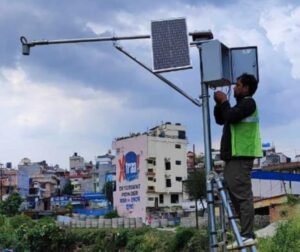
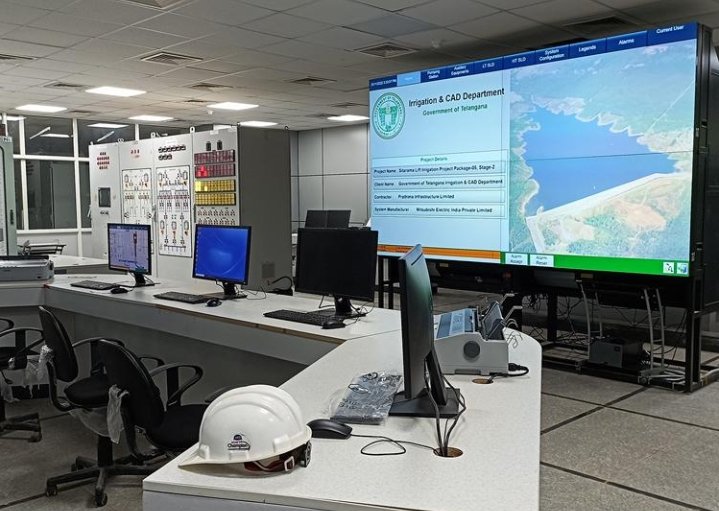
A digital twin is a digital model that mirrors the condition of real-world infrastructure. Sensors installed across reservoirs, canals, pumping stations, gates, pipelines, and distribution channels transmit information into a centralized platform. The virtual model reflects water levels, flow rates, pressure, equipment health, rainfall, soil moisture, and operational status in real time. Engineers and administrators can observe the entire irrigation system from a single interface while identifying emerging problems before they become serious.
Water availability changes constantly due to rainfall, evaporation, crop demand, reservoir storage, and river inflows. Traditional irrigation planning often depends on scheduled inspections and historical records. A digital twin enables continuous monitoring that reflects changing conditions throughout the day. Decision-makers can adjust water releases immediately rather than waiting for manual reports.
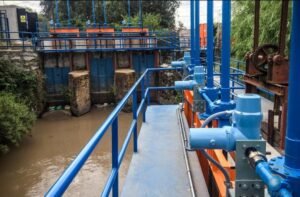
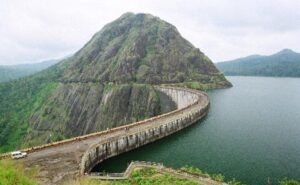
Reservoir management becomes significantly more efficient with predictive simulation. Engineers can test multiple release scenarios within the digital environment before operating physical gates. By considering rainfall forecasts, downstream demand, reservoir capacity, and flood risks, the system identifies the most balanced release strategy. This reduces unnecessary water losses while improving preparedness for extreme weather events.
Canal efficiency is another major application. Long irrigation canals experience seepage, unauthorized diversions, blockages, and structural deterioration. Sensors measuring water flow at different locations can detect abnormalities automatically. When actual flow deviates from expected values, maintenance teams receive alerts with the likely location of the problem. Repairs can begin earlier, preventing further water loss.
Groundwater management also benefits from digital twin technology. Observation wells equipped with monitoring devices provide continuous information about groundwater levels across agricultural regions. Combined with rainfall data and irrigation demand, digital models help authorities estimate recharge rates and identify areas facing excessive extraction. Sustainable groundwater policies become easier to implement using accurate information.
Pump stations represent another critical component of irrigation infrastructure. Motors, bearings, valves, and electrical systems gradually deteriorate through continuous operation. Digital twins collect vibration, temperature, power consumption, and pressure data to predict equipment failures before breakdowns occur. Predictive maintenance reduces repair costs, minimizes downtime, and extends equipment life.
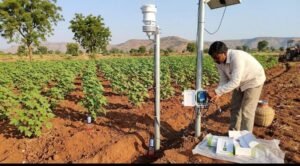
Farm-level irrigation scheduling can become more scientific through integration with soil moisture sensors and weather forecasting systems. Digital twins estimate crop water requirements based on crop stage, soil characteristics, temperature, humidity, solar radiation, and rainfall predictions. Water deliveries can then be adjusted to match actual agricultural demand instead of following fixed schedules.
Artificial intelligence enhances the effectiveness of digital twins by identifying patterns that human operators may overlook. Machine learning models analyze years of operational data to forecast future demand, detect hidden inefficiencies, optimize water distribution, and recommend maintenance priorities. As additional information becomes available, prediction accuracy continues to improve.
Flood management is another area where digital twin infrastructure provides significant value. During periods of heavy rainfall, engineers can simulate multiple flood scenarios before making operational decisions. Water releases from reservoirs can be coordinated with downstream river conditions to reduce flood risk while maintaining reservoir safety.
Agricultural productivity improves when irrigation becomes more reliable. Farmers receive water according to actual crop needs rather than uncertain schedules. Better irrigation timing increases crop yields, reduces water stress, lowers energy consumption, and decreases fertilizer losses caused by overwatering.
Climate change makes intelligent irrigation management increasingly important. Rainfall patterns are becoming more unpredictable, requiring flexible systems capable of responding quickly to changing conditions. Digital twins provide continuous situational awareness that helps irrigation authorities adapt to droughts, floods, and seasonal variability more effectively.
A national digital twin infrastructure for irrigation would also support policy planning. Governments could compare irrigation performance across states, evaluate modernization projects, estimate future investment needs, and prioritize maintenance based on objective operational data rather than fragmented reports.
India already possesses strong capabilities in software engineering, remote sensing, artificial intelligence, and digital public infrastructure. Integrating these strengths with irrigation management can transform one of the country’s most important agricultural assets. A nationwide Digital Twin Infrastructure for irrigation would improve water efficiency, strengthen food security, reduce operational costs, and build a more resilient agricultural system capable of supporting sustainable growth for decades to come.