India’s cottage industries produce thousands of products that have strong international appeal. Handmade textiles, bamboo products, pottery, spices, natural honey, wooden handicrafts, herbal products, coir goods and traditional artworks are increasingly sought after by consumers around the world. Despite this demand, only a small percentage of rural producers participate directly in export markets. Most continue selling through intermediaries or remain confined to local markets because exporting appears too complex and expensive.
A governance innovation that could address this challenge is the establishment of Export Readiness Cells in every district. These specialized government supported centers would help cottage industries overcome technical, legal and commercial barriers to international trade. Rather than expecting small entrepreneurs to understand global regulations independently, governments would provide structured assistance from product development to overseas delivery.
Many artisans have never explored exports simply because they do not know where to begin. International trade involves documentation, quality standards, packaging regulations, customs procedures, logistics planning and foreign buyer communication. Even highly skilled producers may avoid export opportunities because these processes seem overwhelming.
Export Readiness Cells would function as one stop support centers. Entrepreneurs could receive guidance on every stage of export preparation without visiting multiple government offices. Specialists trained in international trade would help businesses identify suitable markets, understand regulatory requirements and prepare products that meet overseas expectations.
One of the most important services would involve market intelligence. Different countries demand different products, designs and quality specifications. European buyers may prioritize sustainability certifications, while Middle Eastern markets may emphasize luxury packaging. North American consumers may seek handcrafted home décor, while East Asian buyers may prefer premium food products. Export Readiness Cells would provide producers with updated information on these market preferences.
Product certification represents another major challenge. International buyers often require laboratory testing, safety certificates, organic certifications or environmental compliance documents before placing orders. Small rural businesses rarely possess the expertise to obtain these certifications. District level export cells could coordinate with accredited laboratories and certification agencies, simplifying the entire process.
Packaging is equally important. Products designed for local markets may not survive international transportation or meet retail presentation standards abroad. Export specialists could advise entrepreneurs on packaging materials, labeling requirements, multilingual product information and international barcode systems. Better packaging would reduce product damage while improving brand image.
Governments could also establish product photography and digital catalog studios within these centers. High quality product images are essential for attracting international buyers through online marketplaces and business to business platforms. Professional photography services would help small businesses compete with larger exporters despite limited marketing budgets.
Training should remain a core function of every Export Readiness Cell. Workshops could cover export documentation, international payment systems, foreign exchange management, contract negotiation and digital marketing. Entrepreneurs would gradually develop confidence in international business rather than relying entirely on intermediaries.
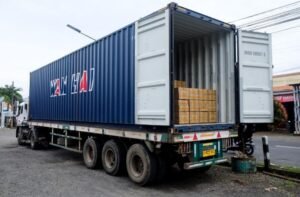
Logistics coordination offers another significant opportunity. Export shipments from individual cottage industries are often too small to justify direct transportation. District export cells could consolidate products from multiple businesses into shared containers, reducing transportation costs and making exports economically viable for smaller enterprises.
Technology should support every stage of this governance model. Digital platforms could track certification progress, shipment status, customs documentation and buyer communications. Entrepreneurs would access these services through mobile applications available in regional languages, making international trade more accessible to rural communities.
Banks and financial institutions could establish dedicated desks within Export Readiness Cells. Export financing, working capital loans and foreign payment advisory services would become available under one roof. Faster access to finance would enable businesses to fulfill larger international orders without facing cash flow constraints.
Universities and design institutes could contribute by helping entrepreneurs adapt traditional products for global markets while preserving their cultural authenticity. Small changes in dimensions, colors, materials or packaging often determine whether a product succeeds internationally. Collaborative design support would increase export competitiveness.
The governance model should also encourage sustainability. International consumers increasingly value environmentally responsible products. Export Readiness Cells could assist businesses in obtaining sustainability certifications, reducing packaging waste and adopting renewable production practices. These improvements would strengthen India’s reputation in premium global markets.
Women entrepreneurs could receive specialized support through dedicated export mentoring programs. Many women led cottage industries produce products with strong international demand but lack access to commercial networks. Targeted assistance would help them participate more actively in global trade while expanding household incomes.
Performance measurement is essential for effective governance. Every district could publish annual export indicators including the number of new exporters, export value, certified businesses, training participation and international buyer engagements. Transparent reporting would encourage continuous improvement while allowing successful districts to share best practices.
Implementation should begin with districts already possessing strong cottage industry traditions. Early successes would build confidence among producers while demonstrating the economic value of structured export support. As experience grows, the model could expand to every district in the country.
Export Readiness Cells should also build long term relationships with Indian embassies, export promotion councils and international trade organizations. These partnerships would create reliable channels for identifying overseas opportunities and connecting rural producers directly with global buyers.
India’s cottage industries possess extraordinary creativity and craftsmanship, but their participation in global trade remains far below its true potential. Export Readiness Cells offer a governance framework that transforms international trade from a complex administrative challenge into an accessible business opportunity.
By combining market intelligence, certification support, logistics coordination, financial services and technical guidance under one institutional framework, governments can empower millions of rural entrepreneurs to compete internationally. Such a governance reform would not only increase exports and rural incomes but also strengthen India’s position as a global source of authentic, high quality handcrafted products.