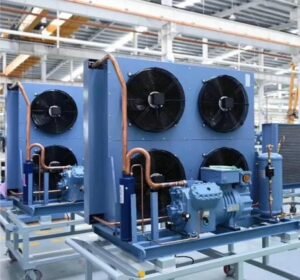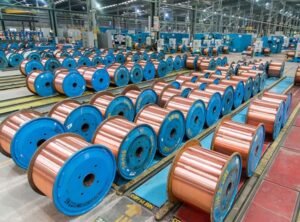
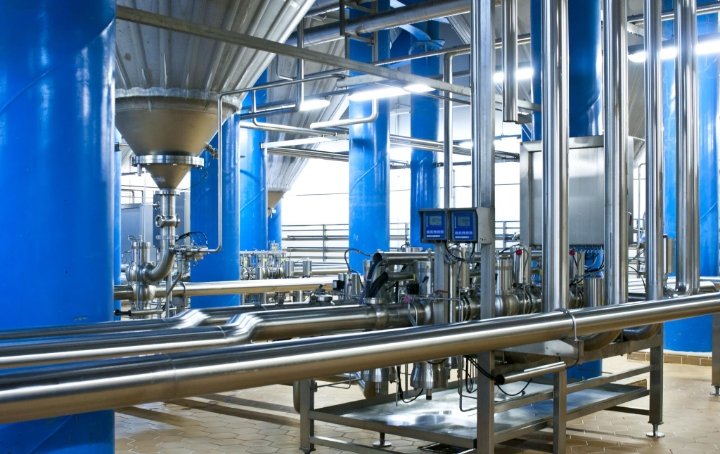
India has a long history of manufacturing industrial equipment, and one emerging opportunity lies in the export of brewing equipment. While alcoholic beverages are regulated differently across countries, the equipment used to produce beverages, including fermentation tanks, filtration systems, heat exchangers, bottling lines, automation systems, and stainless steel processing equipment, represents a growing global industrial market. Indian engineering companies have the manufacturing capability to compete internationally, but stronger digital trade infrastructure is required to unlock this potential.
Global buyers increasingly expect suppliers to provide complete digital documentation before placing orders. Technical specifications, manufacturing certificates, testing reports, material certifications, warranty records, and maintenance manuals must be readily available. A national digital trade platform would allow manufacturers to securely upload these documents, giving overseas buyers confidence in product quality before shipments begin.
Every piece of exported equipment could receive a unique digital product identity. Throughout manufacturing, inspection, packaging, shipping, installation, and after sales service, important information would be continuously updated. Buyers could access maintenance history, spare part availability, software updates, and operating manuals through the same digital platform.
Artificial intelligence can improve export competitiveness by studying global investment trends in beverage manufacturing. By analyzing new brewery projects, regional demand, industrial expansion, freight costs, and import statistics, AI can identify promising export destinations for Indian manufacturers. Exporters can prioritize markets with the highest growth potential instead of relying solely on traditional trade relationships.
Digital integration also simplifies certification. Industrial machinery often requires compliance with international engineering standards, pressure vessel regulations, electrical safety requirements, and quality management certifications. Accredited testing laboratories can upload verified certificates directly to the national platform, reducing paperwork while improving buyer confidence.
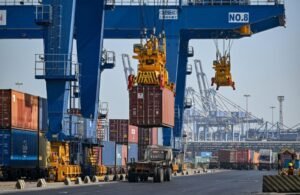
Logistics coordination becomes especially important because brewing equipment consists of large, high value industrial machinery. Shipments often involve multiple containers, oversized cargo handling, customs documentation, insurance providers, shipping companies, and installation teams. A unified digital trade ecosystem enables real time shipment visibility while reducing delays throughout the export process.
Small and medium engineering companies stand to benefit significantly from digital marketplaces. Many manufacturers possess advanced fabrication capabilities but lack international sales networks. A government supported export platform would allow verified companies to display products, engineering capabilities, certifications, manufacturing capacity, and customer references directly to overseas buyers.
Financial institutions can integrate with the platform to provide export finance, insurance, letters of credit, and foreign exchange services. Since shipment milestones are digitally verified, banks can process financing requests more quickly while reducing documentation errors and commercial risks.
After sales support is another important competitive advantage. Exported industrial equipment requires installation, maintenance, spare parts, and technical assistance throughout its operational life. Digital platforms allow manufacturers to provide remote diagnostics, maintenance schedules, digital manuals, and software updates, improving customer satisfaction while creating long term business relationships.
Data generated through the trade platform can help policymakers identify export bottlenecks, emerging markets, certification challenges, and logistics constraints. Such information enables more targeted export promotion policies while strengthening India’s engineering manufacturing ecosystem.
Cybersecurity remains essential because engineering drawings, commercial contracts, customer information, and technical specifications represent valuable intellectual property. Secure authentication, encrypted communication, and resilient digital infrastructure protect manufacturers and international buyers throughout the trading process.
India’s engineering sector has steadily improved its capabilities in precision manufacturing, stainless steel fabrication, industrial automation, and process engineering. With the support of a national digital trade platform, these strengths can translate into greater export competitiveness.
By combining advanced manufacturing with digital documentation, artificial intelligence, integrated logistics, secure financial services, and transparent certification systems, India can establish itself as a trusted global supplier of industrial brewing equipment. Such an approach demonstrates how digital trade infrastructure can create new export opportunities in specialized manufacturing while strengthening India’s position in global engineering markets.