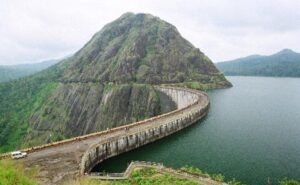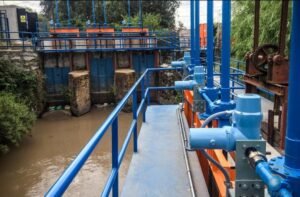
India manages millions of public assets including roads, bridges, schools, hospitals, water pipelines, power substations, streetlights, drainage networks, irrigation canals and government buildings. Most of these assets are managed independently by different departments, each maintaining separate databases, software systems and maintenance records. This fragmented approach makes it difficult to obtain a complete picture of infrastructure performance. India should establish a Public Infrastructure Operating System that connects these assets through a single digital platform.
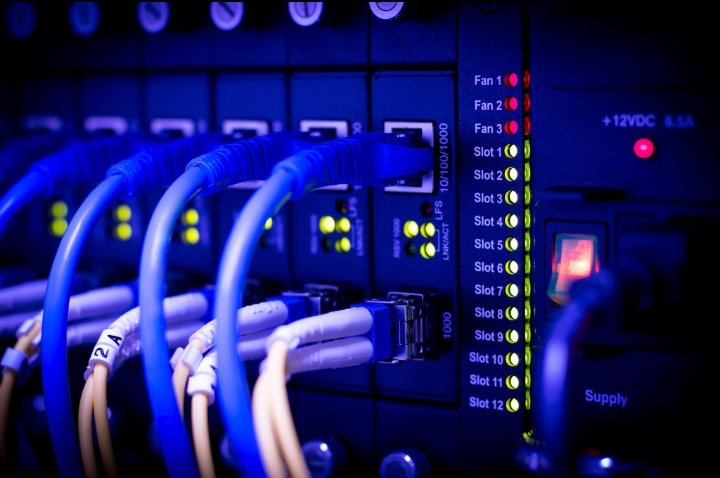
The proposed system would function as a national operating layer for public infrastructure. Instead of replacing departmental software, it would integrate information from existing systems into a unified platform. Roads, electricity networks, water supply systems, public buildings and transport infrastructure could all report operational status through standardized digital interfaces.
Every public asset would receive a permanent digital identity. A bridge, transformer, hospital building or water treatment plant would have its own record containing construction details, maintenance history, inspection reports, repair schedules, operational performance and expected service life. These records would remain available throughout the asset’s lifecycle regardless of administrative changes.
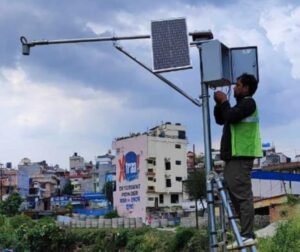
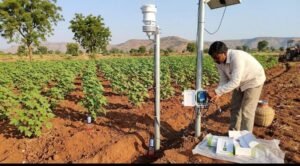
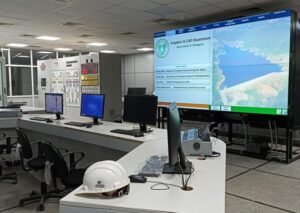
Real-time monitoring would become a central feature. Sensors installed on selected infrastructure could continuously report electricity consumption, water flow, equipment temperature, structural movement, air quality and operational efficiency. Assets without sensors could still update inspection reports, maintenance activities and operational status through mobile applications used by field engineers.
Artificial intelligence could analyse infrastructure performance across districts and states. The platform would identify recurring equipment failures, unusual maintenance costs, declining operational efficiency and emerging infrastructure risks. Instead of waiting for failures, authorities would receive recommendations for preventive maintenance and replacement planning.
A unified operating system would improve coordination between departments. When a road is scheduled for reconstruction, utility agencies could simultaneously upgrade underground pipelines, communication cables and electrical infrastructure. Coordinated planning would reduce repeated excavation, minimise traffic disruption and lower public expenditure.
Financial planning would also improve. Governments often allocate maintenance budgets based on historical spending rather than actual infrastructure condition. A digital operating system would allow funding decisions to reflect measurable asset health, usage patterns and projected maintenance requirements.
The platform could generate Infrastructure Performance Scores for every district based on service reliability, maintenance completion rates, equipment uptime, response times and lifecycle costs. These indicators would help governments compare operational efficiency while encouraging evidence-based decision-making.
Cybersecurity should be incorporated from the beginning. Public infrastructure increasingly depends on digital systems, making secure communication, encrypted data transmission and continuous monitoring essential. National cybersecurity standards would protect critical infrastructure while maintaining system reliability.
Open technical standards would encourage innovation by Indian software companies. Different vendors could develop specialised applications for roads, utilities, hospitals or transport while remaining compatible with the national operating platform. This approach would avoid dependence on a single proprietary software provider.
Universities could contribute by developing predictive maintenance models, infrastructure analytics and digital engineering tools using anonymized operational data. Research findings would continuously improve the platform while supporting innovation in civil engineering, transportation and public administration.
The system could eventually integrate climate resilience indicators. Flood risk, heat exposure, coastal erosion and water scarcity could be linked to infrastructure records, helping governments prioritise investments that improve long-term resilience.
Public dashboards could display selected non-sensitive information such as road maintenance schedules, water supply interruptions, bridge inspections and public building renovations. Greater transparency would improve accountability while allowing citizens to understand how public assets are managed.
India has invested heavily in building physical infrastructure over the past decade. The next stage of development should focus on managing these assets with the same level of precision used in modern manufacturing and industrial operations. A Public Infrastructure Operating System would transform disconnected public assets into an intelligent national network, improving maintenance, reducing costs and supporting better governance through real-time operational intelligence.