Robotics is rapidly becoming one of the defining technologies of modern industry. From automated factories and intelligent warehouses to hospitals and precision agriculture, robots are transforming how economies produce goods, deliver services and solve complex challenges. As artificial intelligence continues to advance, robotics will become even more capable, flexible and affordable. For India, developing a strong domestic robotics industry represents a strategic opportunity to strengthen manufacturing, improve healthcare, modernise agriculture and establish leadership in one of the world’s fastest growing technology sectors.
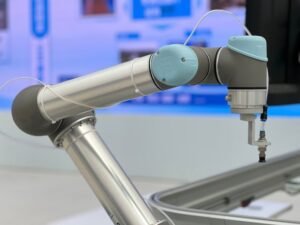
Robotics combines mechanical engineering, electronics, artificial intelligence, sensors, software and advanced manufacturing into intelligent machines capable of performing tasks with speed and precision. Modern robots are no longer limited to repetitive assembly line operations. They can inspect products, assist surgeons, harvest crops, transport goods, monitor infrastructure and collaborate safely with human workers.
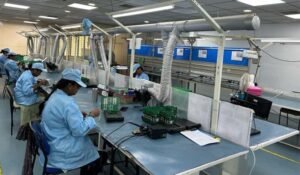
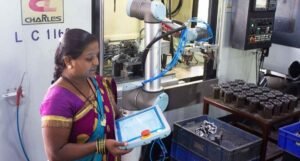
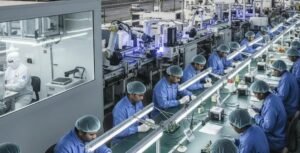
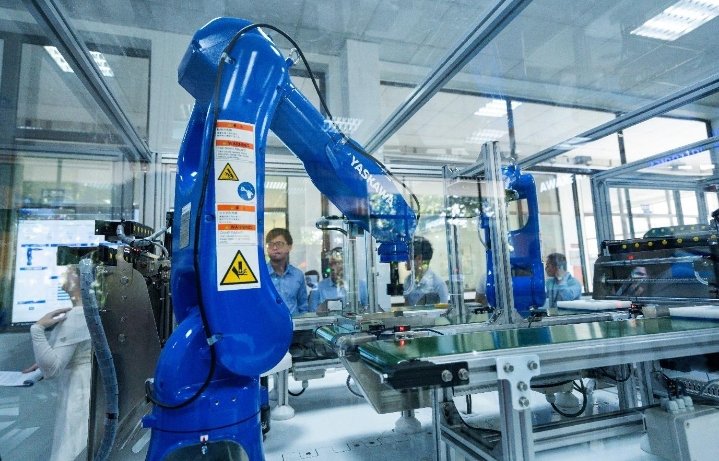
India’s manufacturing sector stands to benefit significantly from greater adoption of robotics. As global competition intensifies, manufacturers must improve productivity, maintain consistent quality and reduce operational costs. Industrial robots can perform repetitive tasks with high accuracy while reducing defects and increasing production efficiency. Rather than replacing workers entirely, robots increasingly work alongside people, allowing employees to focus on supervision, maintenance, design and problem solving.
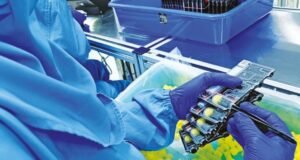
The automotive industry has already demonstrated the advantages of industrial automation. Robots perform welding, painting, material handling and quality inspection with remarkable consistency. Similar technologies can now be introduced across electronics, pharmaceuticals, food processing, textiles and engineering industries to improve competitiveness in international markets.
Small and medium enterprises should also become active participants in the robotics revolution. Traditionally, advanced automation was affordable only for large corporations. However, compact collaborative robots and modular automation systems are making robotics increasingly accessible to smaller manufacturers. Government incentives and technology demonstration centres can help MSMEs adopt these solutions gradually.
Healthcare presents another area of enormous potential. Robotic systems assist surgeons during complex procedures by providing greater precision and stability. Hospitals are also using robots for pharmacy automation, laboratory testing, patient transport and disinfection. These technologies improve operational efficiency while allowing healthcare professionals to dedicate more time to direct patient care.
India’s healthcare system can particularly benefit from robotic rehabilitation technologies. Intelligent rehabilitation devices help patients recover from strokes, spinal injuries and orthopaedic procedures through personalised therapy programmes. As India’s ageing population grows, demand for such technologies is expected to increase significantly.
Agriculture represents another promising application. Farmers face growing challenges related to labour shortages, climate change and rising production costs. Agricultural robots equipped with cameras, sensors and artificial intelligence can monitor crop health, identify pests, apply fertilisers precisely and assist with harvesting. These technologies improve productivity while reducing waste and environmental impact.
Drone technology complements agricultural robotics by providing detailed aerial information about crop conditions, irrigation needs and soil health. Combined with ground based robotic systems, farmers gain powerful tools for precision agriculture that improve yields while conserving resources.
Warehousing and logistics are also undergoing rapid transformation. Automated guided vehicles, robotic sorting systems and intelligent inventory management improve efficiency within warehouses and distribution centres. As electronic commerce continues to expand across India, logistics automation will become increasingly important for maintaining fast and reliable delivery services.
Defence and national security also rely on advanced robotics. Unmanned ground vehicles, bomb disposal robots, autonomous surveillance systems and disaster response robots improve operational safety while enhancing national capabilities. Indigenous development of such technologies strengthens both security and industrial innovation.
Research and development should become the foundation of India’s robotics strategy. Universities, engineering institutions and research laboratories should establish dedicated robotics centres where students and researchers collaborate on artificial intelligence, control systems, computer vision and advanced mechanical design. Close partnerships with industry accelerate commercial adoption of research outcomes.
Component manufacturing also deserves attention. Motors, sensors, actuators, controllers, batteries and specialised electronic systems form the core of every robotic platform. Developing domestic production capabilities reduces dependence on imports while creating opportunities for Indian manufacturers to participate across the global robotics value chain.
Artificial intelligence has become the brain of modern robotics. Machine learning enables robots to recognise objects, understand environments and adapt to changing conditions. Continued investment in AI research will therefore directly strengthen India’s robotics capabilities across multiple industries.
Education plays a critical role in building a robotics ecosystem. Engineering curricula should increasingly include robotics, automation, embedded systems, artificial intelligence and mechatronics. Vocational institutions should prepare technicians capable of installing, operating and maintaining robotic systems across industrial sectors.
Innovation hubs and startup incubators can accelerate the commercialisation of robotics technologies. India already possesses a vibrant startup ecosystem with strengths in software development and engineering. Encouraging robotics entrepreneurship through funding, mentorship and shared testing facilities will help transform innovative ideas into commercially successful products.
Government procurement can also stimulate domestic demand. Public hospitals, research institutions, defence organisations and manufacturing initiatives can encourage adoption of Indian developed robotic technologies where appropriate. Stable demand supports industrial growth while strengthening technological capabilities.
International collaboration remains important for technology transfer and research partnerships. Working with leading robotics companies and research institutions allows Indian engineers to gain experience while contributing to global innovation. Such partnerships should complement efforts to build indigenous expertise and manufacturing capacity.
Ethical considerations should accompany technological progress. Robotics should improve workplace safety, create higher skilled employment and complement human capabilities rather than simply replacing workers. Workforce training and reskilling programmes ensure that employees benefit from technological transformation.
India’s ambition to become a leading manufacturing and technology nation depends on its ability to adopt and develop advanced industrial technologies. Robotics represents one of the most important of these technologies, influencing productivity, healthcare, agriculture, logistics and national security simultaneously.
By investing in research, education, manufacturing, startup innovation and supportive public policies, India can build a globally competitive robotics industry that creates skilled employment, strengthens exports and accelerates technological self reliance. The nations leading the robotics revolution today will shape the industries of tomorrow, and India has both the talent and the opportunity to become one of them.