India is entering a period of unprecedented opportunity in global manufacturing. Rising geopolitical uncertainty, supply chain diversification and rapid technological change are encouraging multinational companies to rethink where they manufacture products. Nations that provide stable policies, skilled talent, efficient logistics and reliable industrial infrastructure are emerging as preferred manufacturing destinations. India possesses many of these advantages, but to fully realise its potential, it must focus on becoming a global hub for high value manufacturing exports rather than relying primarily on low cost production.
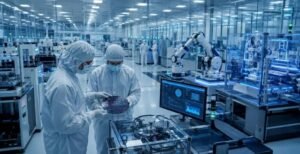
High value manufacturing refers to industries that produce technologically advanced, knowledge intensive and high quality products. These include semiconductors, electronics, aerospace components, medical devices, electric vehicles, renewable energy equipment, defence systems, precision engineering products and advanced industrial machinery. Such industries generate higher incomes, support innovation and create skilled employment while strengthening a country’s position in global value chains.
India has traditionally performed well in sectors such as pharmaceuticals, engineering goods, chemicals and information technology services. While these industries remain important, the next phase of export growth will depend on expanding production in advanced manufacturing sectors where technology and quality drive competitiveness.
The country’s demographic advantage provides a strong foundation. India has one of the world’s largest young workforces, producing thousands of engineers, technicians and management professionals every year. Combined with a growing startup ecosystem and expanding research capabilities, this talent pool can support the development of globally competitive manufacturing industries.
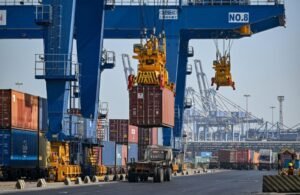
Infrastructure remains a critical factor. High value manufacturers require dependable electricity, efficient transport systems, world class ports, cargo airports and reliable digital connectivity. Industrial corridors linking factories with logistics hubs reduce transportation costs and improve delivery times. Continued investment in modern infrastructure will directly improve India’s export competitiveness.
Quality must become the defining characteristic of Indian manufacturing. International customers increasingly demand products that meet rigorous technical standards, offer consistent performance and comply with global certifications. Manufacturers should invest in precision engineering, quality management systems, testing laboratories and continuous workforce training to build a reputation for excellence.
Technology adoption will also determine long term success. Smart factories equipped with robotics, artificial intelligence, industrial Internet of Things and advanced automation achieve higher productivity while reducing defects and production costs. Industry 4.0 technologies allow manufacturers to respond quickly to customer requirements while maintaining international quality standards.
Research and innovation should receive greater emphasis. Countries that lead global manufacturing invest heavily in product development and engineering rather than simply assembling imported technologies. Universities, research institutions and private industries should collaborate to develop indigenous products capable of competing in international markets.
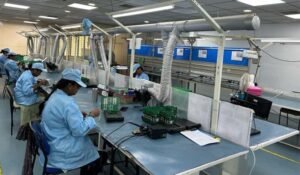
Electronics manufacturing represents one of India’s greatest opportunities. Global demand for smartphones, computers, communication equipment and consumer electronics continues to grow rapidly. Expanding domestic production of electronic components, printed circuit boards, sensors and semiconductor devices will strengthen the entire manufacturing ecosystem while reducing import dependence.
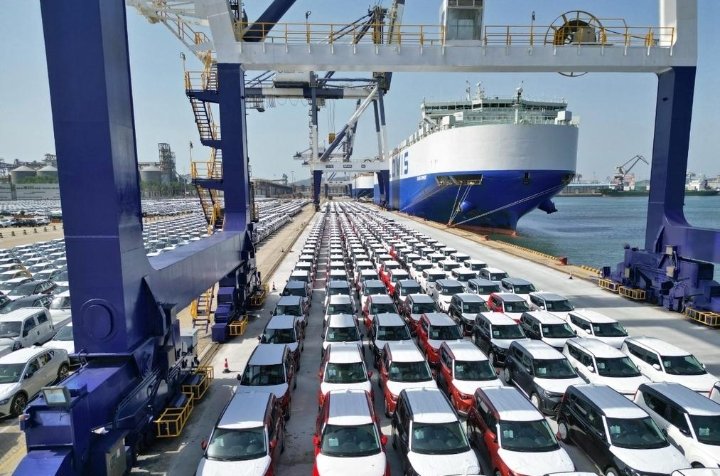
The electric mobility revolution is creating another major opportunity. Electric vehicles require advanced batteries, motors, charging systems, power electronics and specialised software. India can become a leading exporter of these technologies by encouraging integrated manufacturing ecosystems that connect suppliers, manufacturers and research institutions.
Medical devices are another promising sector. Rising healthcare investments worldwide have increased demand for diagnostic equipment, surgical instruments, hospital technologies and wearable medical devices. India’s strengths in healthcare and pharmaceuticals provide a natural advantage for expanding exports in this field.
Small and medium enterprises should become active participants in high value manufacturing. Large exporters depend on thousands of specialised suppliers producing precision components and engineering services. Technology adoption, financial support and export promotion programmes can help MSMEs integrate into global supply chains.
Trade agreements should support manufacturing growth by improving market access and reducing barriers for Indian products. Strategic economic partnerships with key regions can create new export opportunities while encouraging foreign investment in domestic manufacturing.
Export financing also deserves attention. Manufacturers entering international markets often require working capital, insurance and foreign exchange risk management. Accessible financial services encourage businesses to expand confidently into new global markets.
Brand India should increasingly be associated with advanced engineering, innovation and reliability. A strong international reputation encourages repeat business while allowing manufacturers to compete based on quality rather than price alone. Building this reputation requires consistent performance across industries and long term commitment to excellence.
Sustainability is becoming an essential part of manufacturing competitiveness. Global buyers increasingly prefer products manufactured using renewable energy, efficient resource management and environmentally responsible processes. Green manufacturing practices therefore strengthen both environmental performance and export potential.
Artificial intelligence will reshape manufacturing over the coming decade. AI powered production planning, predictive maintenance, quality inspection and supply chain optimisation improve operational efficiency while reducing waste. Indian manufacturers adopting these technologies early will gain important competitive advantages.
Skilled human resources remain the most valuable asset in advanced manufacturing. Engineering education, vocational training and industry partnerships should focus on developing expertise in automation, robotics, semiconductor technology, materials science and digital manufacturing. Continuous learning will help the workforce adapt to rapidly changing industrial technologies.
India also has the opportunity to become a trusted manufacturing partner for global businesses seeking resilient supply chains. Stable governance, transparent regulations and efficient logistics create confidence among international investors looking for long term production destinations.
Manufacturing exports generate benefits far beyond foreign exchange earnings. They encourage technological innovation, create high quality employment, strengthen domestic industries and improve national productivity. Every successful export industry supports thousands of businesses across transportation, logistics, finance, research, education and professional services.
The global economy is entering a new phase where technological capability, quality and resilience matter more than low production costs alone. India has the talent, industrial ambition and market scale needed to succeed in this environment. By focusing on high value manufacturing, investing in innovation and strengthening export competitiveness, India can establish itself as one of the world’s leading manufacturing powers and create a stronger, more resilient economy for future generations.