Industrial growth has been one of the strongest drivers of economic development throughout modern history. Manufacturing creates employment, strengthens exports, encourages innovation and improves national productivity. For India, expanding manufacturing is essential to achieving long term economic prosperity. However, industrial development in the twenty first century must also address environmental sustainability, resource efficiency and climate resilience. Green manufacturing offers a pathway that combines economic growth with responsible environmental stewardship.
Green manufacturing refers to the production of goods using processes that minimise environmental impact while improving efficiency. It focuses on reducing energy consumption, lowering emissions, conserving water, minimising waste and increasing the use of renewable resources throughout the manufacturing lifecycle. Rather than treating sustainability as an additional cost, green manufacturing views environmental responsibility as a source of innovation and long term competitiveness.
India is uniquely positioned to benefit from this transition. The country continues to expand its industrial base while simultaneously investing in renewable energy, electric mobility and digital technologies. Instead of replacing outdated industrial systems decades later, India has the opportunity to integrate sustainable practices into new manufacturing investments from the beginning.
Energy represents one of the largest operating costs for manufacturers. Factories require electricity to operate machinery, lighting, cooling systems and production equipment. Improving energy efficiency directly reduces production costs while lowering carbon emissions. Advanced automation, intelligent energy management systems and modern machinery allow industries to produce more using fewer resources.
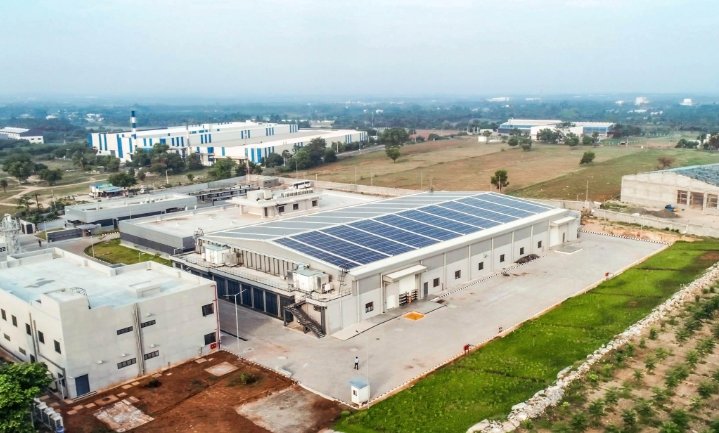
Renewable energy is becoming an increasingly attractive option for industrial facilities. Solar power, wind energy and energy storage systems provide reliable electricity while reducing dependence on conventional fuels. Many industrial parks are already integrating renewable energy into their operations, demonstrating that sustainability and profitability can work together.
Water conservation is another critical challenge. Many manufacturing industries depend heavily on water for cooling, cleaning and production processes. Recycling wastewater, harvesting rainwater and adopting water efficient technologies reduce operational risks while protecting local water resources. Industries located in water stressed regions should prioritise efficient water management as part of their long term business strategy.
Waste management also deserves greater attention. Manufacturing generates metal scraps, plastics, chemicals, packaging materials and other industrial waste. Circular economy principles encourage industries to reuse materials, recycle by products and minimise waste generation wherever possible. Products designed for recycling also reduce resource consumption over their entire lifecycle.
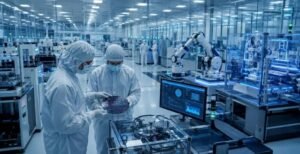
Digital technology has become an important enabler of sustainable manufacturing. Smart factories equipped with sensors continuously monitor energy use, equipment performance and production efficiency. Artificial intelligence analyses this information to identify opportunities for reducing waste, improving productivity and lowering operating costs. These technologies allow manufacturers to achieve both environmental and financial benefits simultaneously.
Advanced manufacturing techniques such as additive manufacturing further support sustainability. Three dimensional printing reduces material waste by producing components with greater precision than many conventional manufacturing processes. In certain industries, lightweight products created through additive manufacturing also reduce transportation costs and energy consumption during use.
India’s automobile industry demonstrates how sustainability can drive industrial transformation. Electric vehicles, battery manufacturing and lightweight materials are creating entirely new industrial opportunities. Companies investing early in clean technologies are positioning themselves for future domestic and international markets where environmental standards continue to become more demanding.
The steel industry also illustrates the importance of innovation. Modern steel plants increasingly adopt energy efficient furnaces, waste heat recovery systems and advanced pollution control technologies. Similar improvements across cement, chemicals, textiles and other manufacturing sectors can significantly reduce industrial emissions while maintaining competitiveness.
Export markets increasingly reward sustainable manufacturing practices. Consumers, investors and international businesses now evaluate environmental performance alongside product quality and pricing. Companies capable of demonstrating lower emissions, responsible sourcing and efficient resource management often gain advantages in global supply chains. Green manufacturing therefore strengthens both environmental performance and export competitiveness.
Small and medium enterprises should be included in this transition. Many MSMEs operate with limited financial resources, making large investments difficult. Government supported financing programmes, technology demonstration centres and energy efficiency initiatives can help smaller manufacturers adopt sustainable practices without placing excessive pressure on their operations.
Industrial clusters provide another opportunity. Shared renewable energy systems, common waste treatment facilities, recycling centres and water management infrastructure reduce costs while improving environmental performance across multiple businesses. Cluster based sustainability programmes encourage collaboration and knowledge sharing among manufacturers.
Research institutions and universities should expand work on sustainable manufacturing technologies. New materials, energy efficient production methods, industrial biotechnology and advanced recycling techniques all contribute to cleaner industrial processes. Strong partnerships between academia and industry accelerate the commercial adoption of these innovations.
Financial institutions also have an important role. Green financing products encourage businesses to invest in renewable energy, efficient machinery and environmentally responsible infrastructure. Lower financing costs for sustainable projects can accelerate industrial modernisation across the country.
Government policy should provide long term certainty for investors. Stable regulations, predictable environmental standards and transparent approval processes encourage manufacturers to make significant investments in sustainable technologies. Clear policy direction allows businesses to plan for future environmental requirements while maintaining confidence in long term industrial strategies.
The workforce must also adapt to changing industrial needs. Engineers, technicians and factory managers require knowledge of energy management, environmental compliance, automation and digital manufacturing systems. Technical education should therefore integrate sustainability into engineering and vocational training programmes.
Green manufacturing also improves national resilience. Reduced dependence on imported fuels, improved resource efficiency and stronger domestic renewable energy capacity make industries less vulnerable to international price fluctuations and supply disruptions. Sustainable production strengthens both economic and environmental security.
India’s ambition to become a global manufacturing leader should not be viewed as separate from its environmental goals. The two objectives can reinforce each other when supported by innovation, modern infrastructure and forward looking policy. Sustainable factories often achieve higher productivity, lower operating costs and greater competitiveness than older industrial facilities.
The future of manufacturing will be defined not only by the quantity of goods produced but also by how responsibly they are made. Nations that combine industrial growth with environmental stewardship will attract investment, strengthen exports and create resilient economies capable of succeeding in a rapidly changing world.
India has the opportunity to become one of those nations. By embracing green manufacturing as a national industrial strategy, the country can create millions of jobs, strengthen economic growth, reduce environmental impact and establish itself as a global leader in sustainable industrial development for generations to come.