Semiconductors have become the foundation of the modern economy. Every smartphone, automobile, medical device, industrial robot, defence system, communication network and artificial intelligence platform depends on semiconductor chips. They are often called the new oil because they power almost every aspect of the digital world. For India, developing a strong semiconductor manufacturing ecosystem is no longer simply an industrial ambition. It has become a strategic national necessity.
The global semiconductor industry has experienced unprecedented growth over the past two decades. Demand continues to rise as artificial intelligence, electric vehicles, advanced manufacturing, cloud computing and smart devices become increasingly common. At the same time, global supply disruptions have demonstrated how dependent many countries remain on a limited number of chip producing regions. These disruptions affected automobile production, consumer electronics, healthcare equipment and industrial machinery around the world.
India imports a significant portion of the semiconductors used in its electronics industry. As the country expands manufacturing, digital infrastructure and artificial intelligence capabilities, this dependence will increase unless domestic production capacity is developed. Building a national semiconductor ecosystem is therefore essential for technological independence, economic resilience and long term industrial growth.
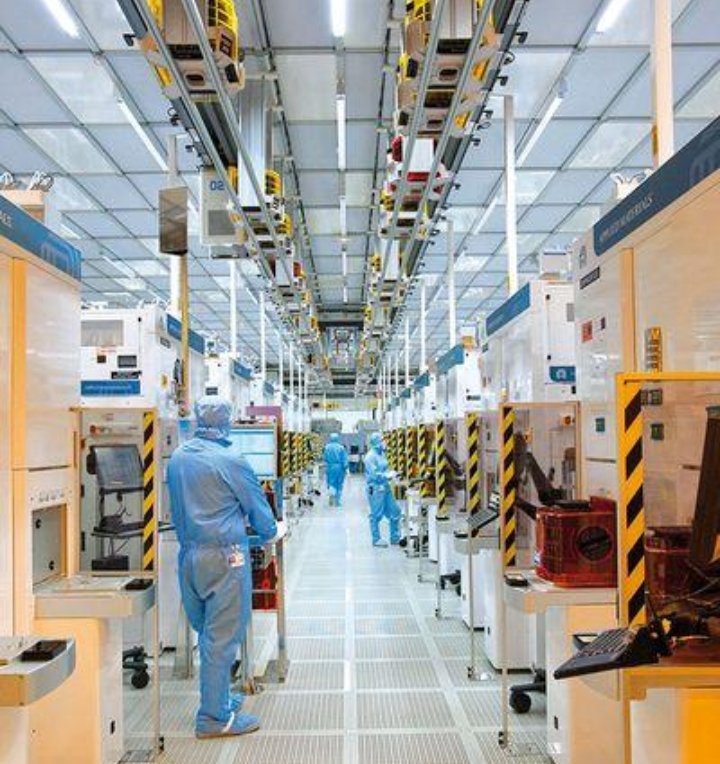
Semiconductor manufacturing is one of the most advanced industrial processes in the world. Producing modern chips requires precision engineering, specialised materials, sophisticated equipment and highly skilled professionals. A successful semiconductor ecosystem extends far beyond fabrication plants. It includes research institutions, equipment manufacturers, chemical suppliers, packaging facilities, testing centres, logistics providers and highly trained engineers working together within an integrated industrial network.
The first priority should be establishing world class semiconductor fabrication facilities capable of producing advanced chips for domestic and international markets. These fabrication plants require substantial investment and long term policy support because construction, equipment installation and production qualification often take several years. Stable government policies provide investors with the confidence necessary to commit to projects of this scale.
Chip design represents one of India’s existing strengths. Indian engineers already contribute to semiconductor design for many of the world’s leading technology companies. This expertise provides a strong foundation for expanding into manufacturing. Closer collaboration between design centres and fabrication facilities will accelerate innovation while creating complete product development ecosystems within the country.
Research and development must become central to India’s semiconductor strategy. Universities, national laboratories and private companies should work together on advanced materials, chip architecture, manufacturing technologies and packaging techniques. Continuous innovation is essential because semiconductor technology evolves rapidly, with new manufacturing processes emerging every few years.
The semiconductor industry also depends on specialised suppliers. Silicon wafers, industrial gases, chemicals, precision machinery and testing equipment all form part of the production chain. Encouraging domestic manufacturing of these supporting products strengthens supply chain resilience while creating additional industrial opportunities.
Advanced packaging and testing facilities deserve equal attention. Manufacturing a chip is only one part of the overall production process. Packaging, testing and quality assurance ensure that semiconductor products perform reliably under demanding conditions. Developing these capabilities allows India to participate across the full semiconductor value chain rather than focusing only on fabrication.
Reliable infrastructure remains essential. Semiconductor plants require uninterrupted electricity, ultra pure water, advanced waste treatment systems and high quality transportation networks. Industrial parks designed specifically for semiconductor manufacturing can provide these services efficiently while attracting related industries to the same location.
Energy security also plays a critical role. Semiconductor fabrication operates continuously and cannot tolerate power interruptions. Investments in stable electricity supply supported by renewable energy and advanced grid management improve operational reliability while reducing environmental impact.
Talent development will determine the industry’s long term success. Semiconductor engineering combines electrical engineering, materials science, physics, chemistry, computer science and manufacturing technology. Universities should expand specialised programmes while strengthening partnerships with industry to provide students with practical experience in advanced manufacturing environments.
Vocational education is equally important. Fabrication plants employ technicians responsible for operating sophisticated equipment, maintaining production systems and ensuring quality standards. Well designed technical training programmes create a workforce capable of supporting large scale industrial operations.
Artificial intelligence will increasingly influence semiconductor manufacturing. AI systems improve production planning, identify equipment maintenance requirements, optimise manufacturing processes and enhance quality control. Smart fabrication facilities can increase productivity while reducing waste and operational costs.
India’s growing electronics manufacturing sector provides a ready market for domestically produced chips. Consumer electronics, telecommunications equipment, automotive systems, industrial automation and defence technologies all require reliable semiconductor supplies. Strong domestic demand supports investment while improving supply chain stability.
The electric vehicle industry presents another major opportunity. Modern electric vehicles contain hundreds of semiconductor components controlling batteries, motors, charging systems, navigation and safety technologies. As India expands electric mobility, domestic semiconductor production will strengthen both industries simultaneously.
Defence and space programmes also benefit from indigenous semiconductor capabilities. Secure domestic production reduces strategic dependence while supporting advanced technologies required for national security, satellite systems and aerospace applications. Certain specialised chips are particularly important for defence applications where supply chain security is critical.
International collaboration should remain an important part of India’s semiconductor strategy. Partnerships with experienced global manufacturers, research institutions and technology companies accelerate knowledge transfer while helping Indian industries adopt international best practices. Such collaboration should complement rather than replace the development of domestic capabilities.
Financial incentives alone cannot build a successful semiconductor industry. Long term competitiveness depends on consistent policy, strong infrastructure, skilled talent, research excellence and efficient business regulation. Investors seek environments where projects can operate successfully over decades rather than only during initial incentive periods.
Export potential should also guide industrial planning. The global semiconductor market continues to expand rapidly, creating opportunities for India to become an important supplier to international electronics manufacturers. Producing chips that meet global quality standards allows Indian companies to participate in high value international supply chains.
Semiconductors have become as strategically important to the twenty first century as steel and oil were to earlier generations. Nations capable of designing and manufacturing advanced chips possess significant economic and technological advantages. India already has the engineering talent, market demand and industrial ambition required to become a major player in this field.
Building a national semiconductor manufacturing ecosystem will require patience, investment and close collaboration between government, industry and academia. However, the long term rewards are substantial. A successful semiconductor industry will strengthen national security, create high value employment, accelerate technological innovation and establish India as a leading force in the global digital economy.