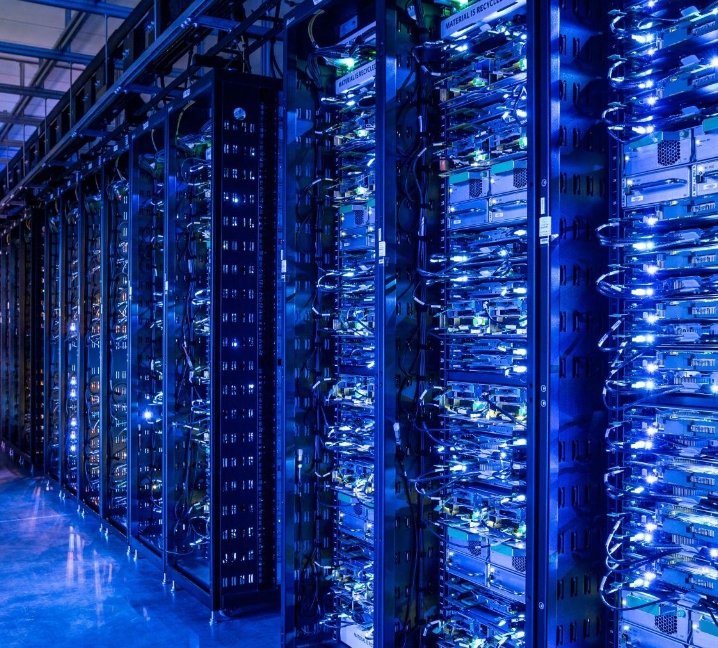
The digital economy runs on data. Every online payment, video call, banking transaction, healthcare record, government service, manufacturing process and artificial intelligence application depends on data being stored, processed and transmitted through secure digital infrastructure. At the heart of this infrastructure are data centres, the facilities that power the world’s digital services. As India moves toward becoming one of the world’s largest digital economies, expanding the country’s data centre ecosystem should become a national economic priority.
Data centres are often viewed simply as buildings filled with servers. In reality, they are strategic infrastructure comparable to highways, ports, airports and power plants. They support businesses, governments, educational institutions, financial systems and digital public services while enabling the growth of cloud computing, artificial intelligence and advanced manufacturing.
India’s digital economy is expanding at an unprecedented pace. Hundreds of millions of people now use digital payments, online education, telemedicine, e commerce, digital entertainment and cloud based business applications every day. The volume of data generated by these activities continues to grow exponentially. Meeting this demand requires a strong domestic network of modern data centres capable of handling increasing workloads with high reliability.
Artificial intelligence further strengthens the case for expanding data centre capacity. Training and operating AI models require enormous computing power supported by high performance processors, advanced networking equipment and specialised storage systems. Countries that possess sufficient computing infrastructure will be better positioned to develop competitive AI industries and attract global technology investments.
A growing data centre ecosystem also generates substantial economic benefits. Construction projects create employment for engineers, architects, technicians and skilled workers. Once operational, data centres require specialists in information technology, cybersecurity, electrical engineering, cooling systems, facility management and network operations. In addition, surrounding industries such as equipment manufacturing, logistics, maintenance and professional services also benefit from continued investment.
Cloud computing companies increasingly select locations based on the availability of modern data centre infrastructure. Expanding domestic capacity encourages technology companies to establish larger operations within India while providing businesses with faster and more reliable digital services. Reduced network latency improves user experience for financial services, healthcare, education, manufacturing and government applications.
Regional development represents another important opportunity. Data centres need not be concentrated in only a few metropolitan areas. Developing facilities across multiple states improves resilience while creating employment and attracting supporting industries to emerging economic regions. State governments can compete by providing reliable electricity, land, connectivity and efficient regulatory processes.
Reliable power infrastructure remains essential for data centre growth. These facilities operate continuously throughout the year and require uninterrupted electricity supply. Investments in renewable energy, grid modernisation and energy storage systems can support long term expansion while reducing environmental impact. India has an opportunity to become a global leader in sustainable data centre development by integrating solar, wind and other clean energy sources into future projects.
Cooling technologies also deserve attention. Managing heat generated by thousands of servers is one of the largest operational challenges facing data centres. Advanced cooling systems, efficient building design and intelligent energy management reduce electricity consumption while improving operational performance. Continued research into innovative cooling solutions will strengthen India’s competitiveness in this sector.
Digital sovereignty provides another compelling reason for expanding domestic data centres. As governments and businesses generate increasing volumes of sensitive information, storing critical data within trusted national infrastructure enhances security and regulatory compliance. Domestic facilities also simplify disaster recovery planning while improving operational control over essential digital services.
Telecommunications infrastructure must evolve alongside data centre expansion. High capacity fibre optic networks connect facilities with businesses, government institutions and consumers across the country. Investments in broadband, 5G and future communication technologies ensure that digital services remain fast, reliable and widely accessible.
The financial sector stands to benefit significantly from stronger data centre infrastructure. Banks, insurance companies, stock exchanges and payment platforms process millions of transactions every day. Low latency computing, secure storage and high availability systems improve operational efficiency while supporting the continued growth of digital financial services.
Healthcare is another sector increasingly dependent on modern computing infrastructure. Electronic medical records, diagnostic imaging, telemedicine, hospital management systems and medical research all require secure and reliable data storage. Expanding domestic capacity strengthens healthcare delivery while supporting future innovations in artificial intelligence driven medicine.
Manufacturing is becoming increasingly digital through automation, robotics and industrial Internet of Things technologies. Smart factories generate continuous streams of operational information that must be processed and analysed efficiently. Nearby data centres improve response times while enabling advanced manufacturing applications such as predictive maintenance and real time production optimisation.
Government services also rely heavily on robust digital infrastructure. Digital identity systems, taxation platforms, land records, welfare programmes and public administration require secure and scalable computing environments. Modern data centres ensure these services remain available even during periods of high demand or unexpected disruptions.
Cybersecurity must remain central to every stage of data centre development. Physical security, network protection, encryption, identity management and continuous monitoring safeguard valuable information while maintaining public confidence in digital services. Investment in cybersecurity professionals should therefore accompany every expansion project.
India should also encourage domestic manufacturing of equipment used in data centres. Servers, networking hardware, cooling systems, power management equipment and related technologies represent growing industrial opportunities. Local manufacturing reduces dependence on imports while creating skilled employment and strengthening supply chain resilience.
Universities and technical institutions should expand specialised programmes in cloud computing, data centre engineering, electrical systems, facility management and cybersecurity. The rapid growth of this sector will require thousands of highly trained professionals capable of designing, operating and maintaining world class facilities.
Clear and predictable regulations encourage long term investment. Simplified approval processes, stable energy policies, transparent land allocation and well defined digital governance frameworks provide confidence to both domestic and international investors considering large infrastructure projects.
The future economy will depend as much on digital infrastructure as previous generations depended on roads, railways and electricity. Data centres have become essential assets supporting innovation, governance, commerce and national security. Countries that invest early in world class computing infrastructure will gain significant advantages in artificial intelligence, advanced manufacturing, financial technology and digital services.
India possesses the talent, market size and technological ambition needed to become one of the world’s leading data centre destinations. By expanding modern facilities across the country, strengthening renewable energy integration, investing in skilled professionals and supporting domestic technology development, India can transform its data centre ecosystem into a powerful engine of economic growth and digital leadership in the decades ahead.