Global supply chains are being redesigned at an unprecedented pace. Companies are no longer concentrating manufacturing and sourcing in a single country. Instead, they are creating diversified supply networks that are more resilient to geopolitical tensions, pandemics, natural disasters and economic uncertainty. This transformation presents India with a rare opportunity to position itself as one of the world’s most important supply chain hubs. Achieving this goal requires more than increasing exports. It demands the creation of strategic trade corridors that connect industries, ports, logistics infrastructure and international markets into a seamless national network.
Supply chains determine how efficiently raw materials move to factories, how products reach customers and how businesses respond to changing market demands. Efficient supply chains reduce production costs, shorten delivery times and improve reliability. In today’s competitive global economy, these advantages often matter as much as product quality or pricing.
India enjoys a strategic geographical location between East Asia, the Middle East, Africa and Europe. Nearly every major international shipping route passes close to the Indian coastline. This natural advantage should be supported by world class logistics infrastructure that allows goods to move quickly across the country and into international markets.
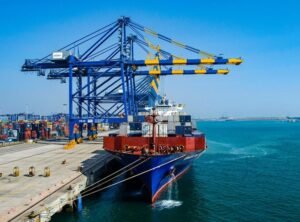
Modern ports are the starting point of every successful trade corridor. India’s major ports have expanded significantly over the past decade, but future investments should focus on increasing capacity, automation and connectivity. Deep water ports capable of handling the world’s largest container vessels can reduce shipping costs while attracting greater international trade. Port operations should become increasingly digital through automated cargo handling, electronic customs processing and real time logistics management.
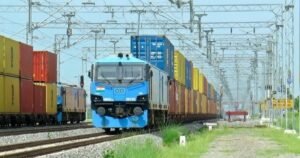
Railways remain equally important. Dedicated freight corridors have already demonstrated their ability to improve cargo movement by separating freight traffic from passenger services. Expanding these corridors to connect additional industrial regions, ports and logistics parks will strengthen manufacturing competitiveness while reducing transportation costs.
Road infrastructure must complement rail and maritime transport. High quality expressways linking industrial clusters with ports and airports ensure that goods move efficiently across the country. Better road connectivity also benefits rural producers by providing easier access to domestic and export markets.
Air cargo infrastructure should receive greater attention as India expands exports of high value products such as pharmaceuticals, electronics, precision engineering components and medical devices. Modern cargo terminals equipped with advanced handling systems improve speed and reliability while supporting industries that depend on rapid international delivery.
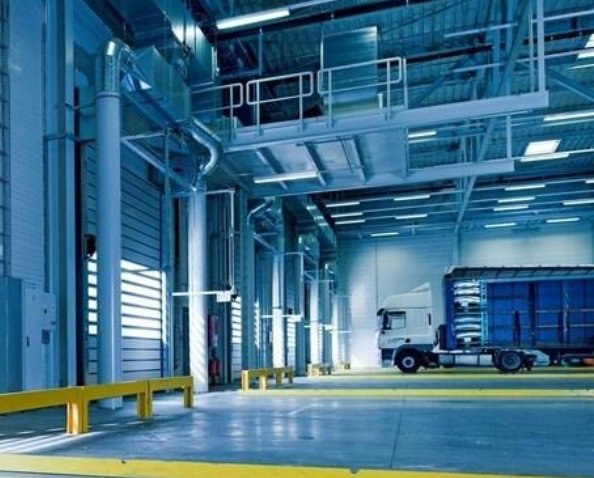
Multimodal logistics parks represent another important component of strategic trade corridors. These facilities integrate road, rail, air and maritime transport into a single logistics ecosystem. Warehousing, customs services, packaging, cold storage and freight management operate from one location, reducing delays and improving operational efficiency.
Digital technology is transforming global supply chains. Artificial intelligence can forecast demand, optimise inventory levels and improve transportation planning. Internet of Things sensors provide real time tracking of shipments throughout the logistics network. Blockchain technology increases transparency by creating secure records of product movement from manufacturer to customer. Indian logistics companies should embrace these technologies to improve competitiveness.
Cold chain infrastructure deserves special attention. Agricultural products, seafood, dairy products, pharmaceuticals and biotechnology products require temperature controlled transportation and storage. Expanding refrigerated logistics networks reduces waste while opening new export opportunities for high value products.
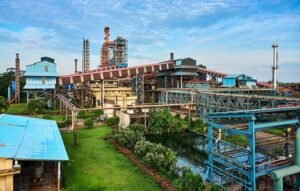
India should also develop specialised industrial corridors focused on sectors with significant export potential. Electronics manufacturing clusters, pharmaceutical parks, textile hubs, food processing zones, renewable energy equipment clusters and defence manufacturing centres can each be connected to dedicated logistics infrastructure designed around their unique requirements.
Trade corridors should not function only as transportation routes. They should become centres of industrial development where manufacturers, suppliers, research institutions, logistics providers and service companies operate within integrated ecosystems. Such collaboration encourages innovation while reducing operational costs.
The India Middle East Europe Economic Corridor and other regional connectivity initiatives demonstrate the growing importance of international logistics partnerships. Participation in these initiatives can strengthen India’s commercial relationships while improving access to key global markets. Strategic infrastructure investments should therefore align with broader foreign policy and trade objectives.
Small and medium enterprises should also benefit from improved trade corridors. Efficient logistics reduce transportation costs that often disproportionately affect smaller businesses. Shared warehousing facilities, digital logistics platforms and simplified export procedures allow MSMEs to compete more effectively in international markets.
Sustainability must become an integral part of future logistics development. Rail transport, electric freight vehicles, renewable energy powered warehouses and intelligent route planning can reduce emissions while improving efficiency. Environmentally responsible logistics systems increasingly influence investment decisions and international trade partnerships.
Human resource development remains essential. Modern logistics requires professionals skilled in supply chain management, data analytics, customs procedures, international trade regulations and digital technologies. Universities and technical institutions should expand programmes that prepare graduates for careers in advanced logistics and global commerce.
Resilience should also guide supply chain planning. Climate events, geopolitical disruptions and cyber threats have highlighted the importance of diversified logistics networks. Alternative transportation routes, redundant infrastructure and strong cybersecurity systems help maintain trade even during unexpected disruptions.
India’s digital public infrastructure can further strengthen logistics performance. Digital identity systems, electronic documentation, integrated payment platforms and online regulatory services simplify business operations while reducing administrative delays. A fully digital logistics ecosystem improves transparency and efficiency across the supply chain.
Investment from the private sector will remain critical. Public infrastructure creates the foundation, but private companies drive innovation, operational excellence and continuous improvement. Stable policies, predictable regulations and transparent governance encourage long term investment in logistics and supply chain infrastructure.
India has the potential to become one of the world’s most trusted supply chain partners. The country’s manufacturing capabilities, strategic location, skilled workforce and expanding infrastructure provide a strong foundation for future growth. By developing integrated trade corridors that combine modern ports, efficient transport, advanced digital technologies and industrial clusters, India can strengthen its position in global commerce.
The coming decade will reward nations that move goods faster, more efficiently and more reliably than their competitors. Strategic trade corridors are therefore not merely infrastructure projects. They are long term investments in economic competitiveness, industrial growth, employment and national prosperity. If developed with vision and consistency, they can help transform India into a leading global supply chain powerhouse.