The global trading system is undergoing one of the most significant transformations since the end of the Cold War. Geopolitical tensions, shifting supply chains, technological competition, climate policies and regional trade agreements are reshaping how nations produce and exchange goods. The era when businesses depended heavily on a single manufacturing destination is gradually giving way to a more diversified global economy. For India, this changing landscape presents a historic opportunity to redefine its export strategy and emerge as one of the world’s leading trading nations.
India has steadily expanded its exports over the past two decades, particularly in information technology services, pharmaceuticals, engineering goods, chemicals and refined petroleum products. However, the country’s export performance still remains below its full potential considering the size of its economy, workforce and industrial base. Achieving sustained export growth requires a comprehensive strategy that aligns manufacturing, infrastructure, innovation, diplomacy and trade policy.
The first pillar of a new export strategy should be diversification. India must reduce dependence on a limited number of products and export destinations by encouraging industries capable of producing higher value goods. Sectors such as electronics, semiconductors, renewable energy equipment, medical devices, aerospace components, electric vehicles, defence equipment and advanced machinery have the potential to become major export drivers over the coming decades.
Export diversification must also extend geographically. While traditional markets in North America and Europe remain important, India should strengthen commercial relationships with Southeast Asia, Africa, the Middle East, Latin America and Central Asia. Many emerging economies are experiencing rapid urbanisation and industrial growth, creating new demand for Indian products, technology and services.
Manufacturing competitiveness lies at the heart of export success. Global buyers evaluate suppliers based on quality, consistency, delivery speed and reliability rather than price alone. Indian manufacturers must therefore invest in automation, digital technologies, quality management systems and workforce development to meet international standards. Industry 4.0 technologies will play an increasingly important role in helping exporters compete effectively.
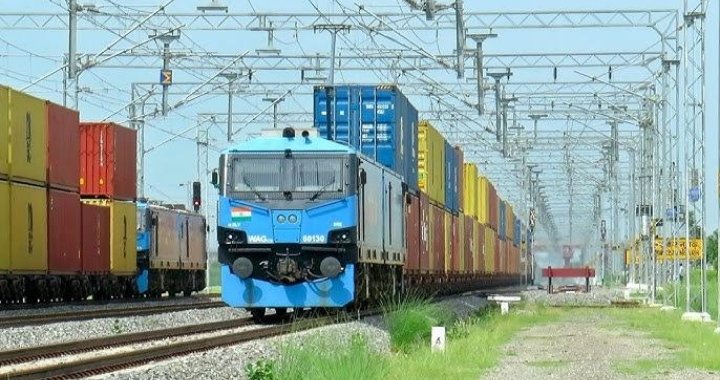
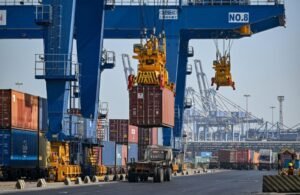
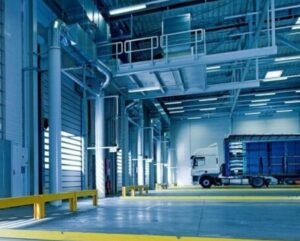
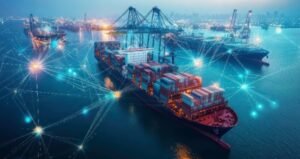
Logistics remains another critical area for improvement. Efficient ports, highways, railways, airports and multimodal transport systems reduce delivery times and lower export costs. Modern logistics infrastructure enables businesses to move goods seamlessly from factories to international markets. Continued investment in industrial corridors and dedicated freight infrastructure will strengthen India’s competitiveness.
Trade facilitation is equally important. Export procedures should become simpler, faster and more transparent through digital platforms. Electronic documentation, customs automation, integrated logistics systems and single window clearance mechanisms reduce administrative burdens on exporters while improving efficiency across the supply chain.
Small and medium enterprises deserve greater support within India’s export ecosystem. Many innovative MSMEs produce products capable of competing internationally but lack access to market intelligence, export financing and global marketing networks. Government agencies, export promotion councils and industry associations should provide practical assistance that helps smaller businesses enter international markets.
Financial support mechanisms also require continuous strengthening. Export credit, insurance, working capital financing and foreign exchange risk management services enable businesses to expand confidently into new markets. Affordable financial products encourage exporters to pursue long term international growth strategies.
Technology has become an essential component of modern trade. Digital marketplaces, artificial intelligence, blockchain and data analytics allow exporters to identify customers, manage supply chains and improve operational efficiency. Indian businesses should embrace digital trade platforms that connect manufacturers directly with buyers around the world while reducing transaction costs.
Brand India also requires sustained investment. Many countries have successfully built global reputations for quality manufacturing through consistent branding and product excellence. Indian exports should increasingly be associated with reliability, innovation, sustainability and technological capability. Strong national branding enhances customer confidence while creating long term commercial advantages.
Free trade agreements can support export growth when negotiated strategically. Market access, tariff reductions and regulatory cooperation create new opportunities for Indian industries while strengthening economic partnerships. However, trade agreements should also protect sensitive domestic sectors and encourage long term industrial development.
Sustainability has become an increasingly important factor in international trade. Global consumers and businesses now expect products to be manufactured using environmentally responsible practices. Indian exporters should invest in renewable energy, resource efficiency, waste reduction and sustainable production methods. Meeting international environmental standards strengthens competitiveness while supporting climate goals.
Agricultural exports also hold considerable potential. India is one of the world’s largest producers of food products, spices, fruits, vegetables and processed foods. Improving cold chain infrastructure, food processing capabilities, quality certification and international branding can significantly increase agricultural export earnings while improving rural incomes.
Services exports remain one of India’s greatest strengths. Information technology, consulting, engineering, education, healthcare and financial services continue to enjoy strong international demand. As artificial intelligence transforms global industries, Indian companies should expand into emerging digital services including cybersecurity, cloud computing, data analytics and AI solutions.
Research and innovation should become central elements of export strategy. Countries that export advanced technologies typically invest heavily in research and development. Universities, research institutions and private companies should collaborate to develop globally competitive products that move India higher up the value chain.
The global shift toward resilient supply chains creates another significant opportunity. Many multinational companies are seeking alternative manufacturing locations to reduce dependence on single country production networks. India can attract these investments by offering policy stability, skilled talent, modern infrastructure and efficient business regulations.
Export success also depends on skilled human resources. Engineers, designers, logistics professionals, quality specialists and international marketing experts all contribute to competitive export industries. Education and vocational training should therefore align closely with the evolving needs of globally oriented businesses.
Diplomatic engagement plays an important supporting role. Economic diplomacy helps Indian businesses access new markets, resolve trade barriers and strengthen commercial relationships. Embassies and trade missions should continue supporting exporters by identifying business opportunities and facilitating international partnerships.
India is entering an era where global trade patterns are becoming more dynamic and more diversified. Nations that adapt quickly to these changes will secure long term economic advantages. By strengthening manufacturing, modernising logistics, embracing technology, supporting exporters and expanding international partnerships, India can build an export strategy suited for a multipolar global economy.
Exports are more than a source of foreign exchange. They drive industrial growth, create employment, encourage innovation and strengthen national competitiveness. A forward looking export strategy will not only increase India’s presence in global markets but also contribute significantly to the country’s broader vision of becoming a leading economic power in the twenty first century.